Gastronomy · Explorers
Ipoh white coffee, explained
By Aevum Editorial · Published · Updated
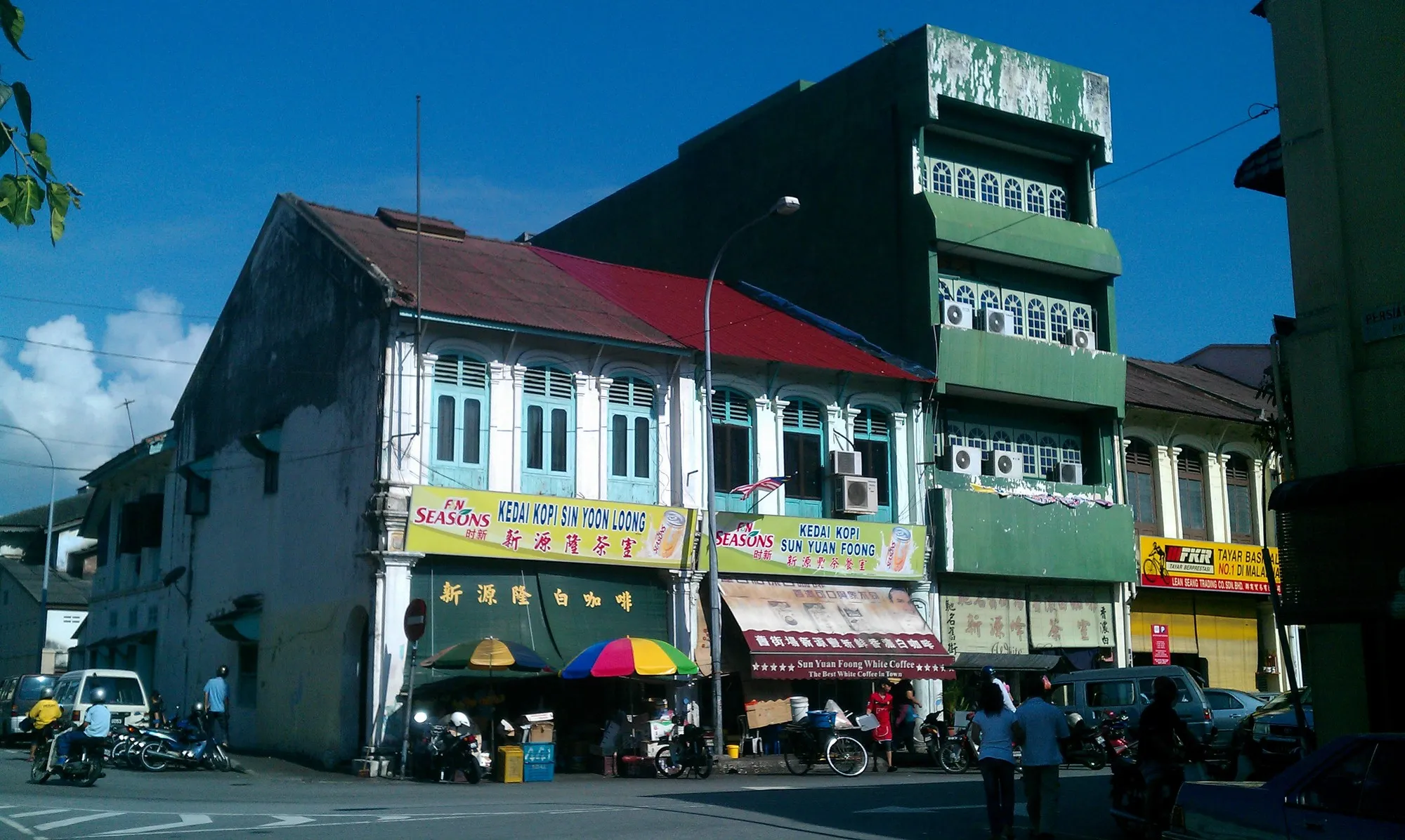
In short: Ipoh white coffee is not made from white beans. It is coffee roasted with palm-oil margarine, usually with little or no sugar, which gives a lighter roast. It is then served with sweetened condensed milk. The style is linked to Hainanese coffee shops in Ipoh’s Old Town, but who invented it, and what “white” really means, are both still debated.
What is Ipoh white coffee?
It’s a way of roasting and serving coffee that Malaysians connect with Ipoh.
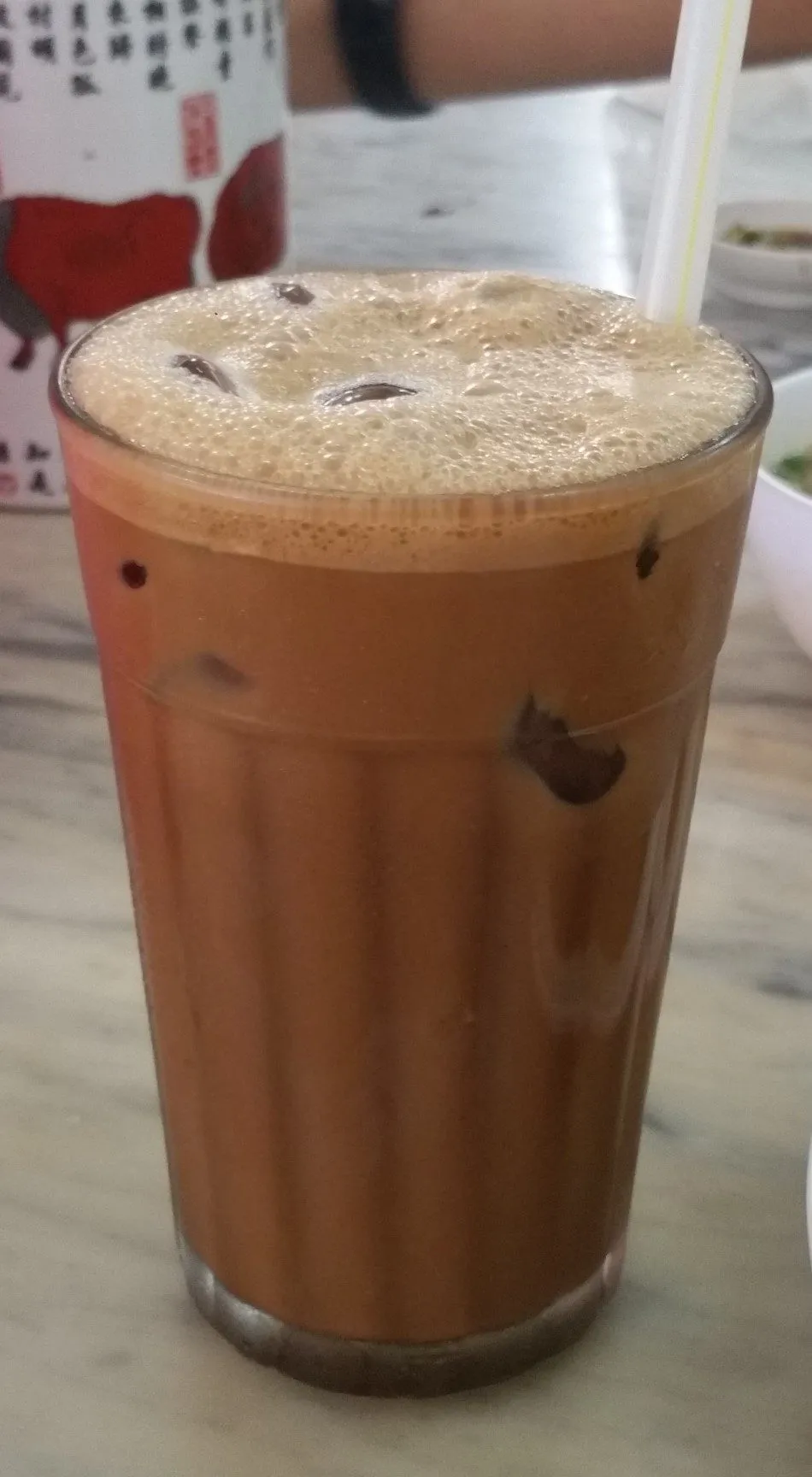
The beans are roasted with palm-oil margarine, then ground, brewed and served with condensed milk. What lands on your table is caramel brown, not white. Order it hot or iced in a coffee shop (kopitiam), or pick up the instant three-in-one sachets.
How it differs from everyday kopi
Start with ordinary Malaysian kopi. Almost all of it, one study found, is roasted coffee mixed with sugar, margarine and wheat. The sugar caramelises in the roast and gives the familiar dark, glossy bean. One Kuala Lumpur kopitiam owner describes this as the Hainanese method.
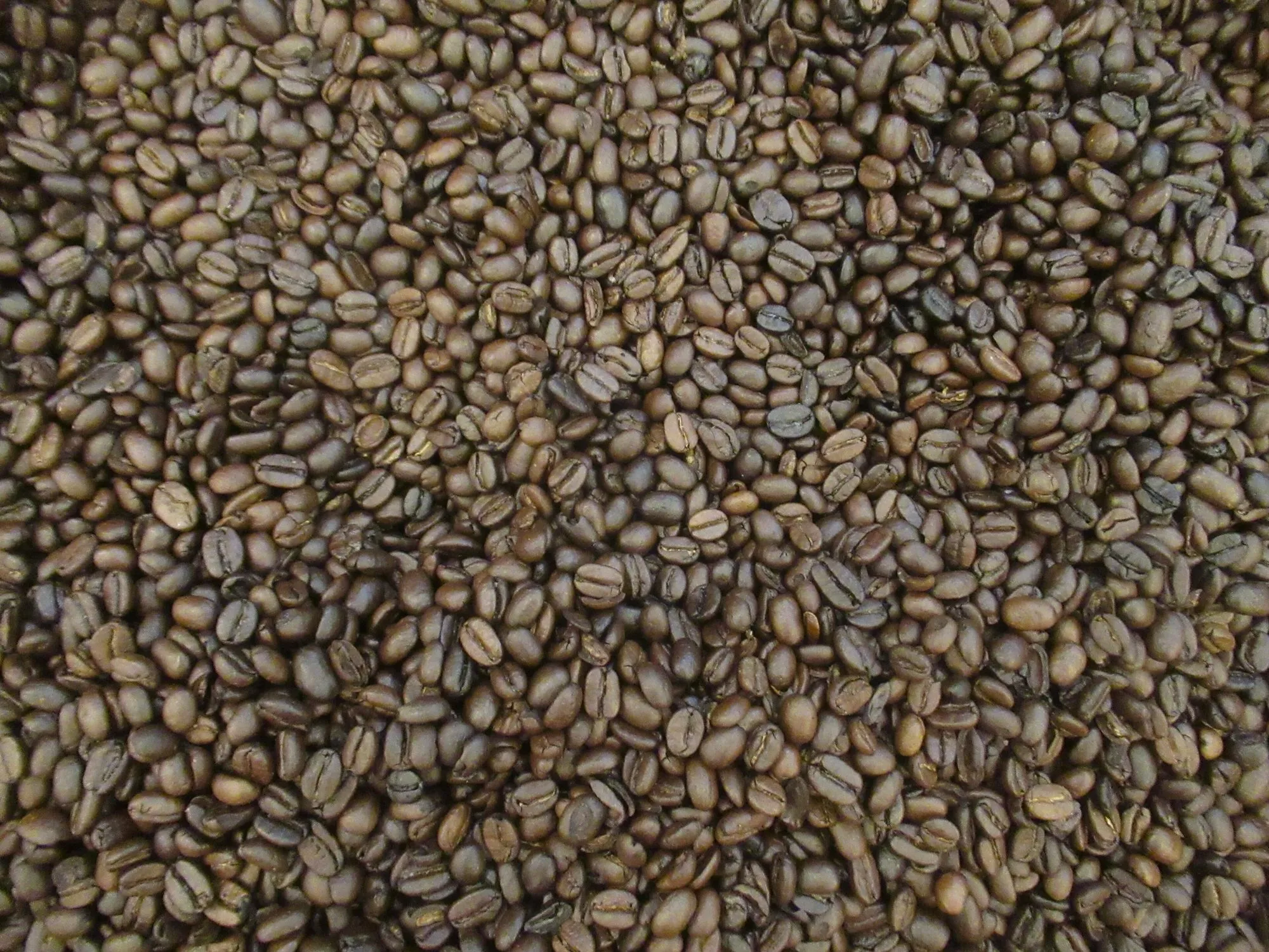
White coffee drops most or all of that sugar. Staff at a long-running bean seller in Ipoh’s central market explain it simply: beans for white coffee are roasted with margarine, beans for black coffee with sugar. The white roast, they say, is lighter in both colour and taste. One Ipoh eatery describes its white coffee as roasted “with margarine only”, with a caramelised flavour that is “not too bitter or acidic”.
Recipes vary, though. One Ipoh producer adds margarine and then “a little sugar and salt”. Other accounts describe sugar going into the roast too. The fairest summary: white coffee uses a margarine-led roast with less sugar than standard kopi. It isn’t one fixed formula.
The beans aren’t a special variety either. Ipoh shops describe blends of Robusta, Arabica and Liberica, some grown locally and some imported from Indonesia and Vietnam.
Why is it called “white”?
Ask three people and you may get three answers:
- A translation of the Chinese name. “White coffee” is said to translate the Chinese name 白咖啡, with “white” referring to how the beans are roasted, not their colour.
- “White” as in less strong. One Ipoh coffee family tells how, when it began serving its coffee in 1988, customers complained it wasn’t kaw (strong). The founder suggested calling it kopi bai, from bai (white), for that lighter style.
- “White” as in with milk. Another version says coffee without milk or sugar was called “black”, and coffee with them “white”.
None of these can be confirmed as the original reason. Everyone agrees on one thing: the name isn’t about the colour of the beans.
Where does it come from?
Most accounts link white coffee to Ipoh’s Hainanese coffee-shop keepers in the tin-mining era. One widely told story says they adapted Western-style coffee to local taste after working for, or socialising with, the British. It’s a tradition rather than a documented event, and nobody dates it precisely.
Several businesses feature in the story:
- Sin Yoon Loong, in Old Town, opened in 1937 by the Hainanese brothers Wong Poh Chew and Wong Poh Ting, is widely credited as a pioneer of the style.
- Nam Heong, on the same street, is called the birthplace of white coffee in some travel writing, and has been linked to the beginnings of the OldTown White Coffee brand.
- Chang Jiang, an Ipoh coffee family, says it began making its own white coffee in 1988 and describes itself as its creator.
These claims overlap and partly compete, and no archival record settles them. Each is the story its custodians tell.
How it is served
In an Ipoh coffee shop, white coffee usually comes with condensed milk already stirred in, sometimes with evaporated milk too. Makers “pull” (tarik) it between jugs to build a light foam.
It’s often paired with kaya toast or soft-boiled eggs. The iced version is popular, one coffee-shop keeper says, especially with younger customers. At home, many people drink the instant versions, which carry the “Ipoh white coffee” name across Malaysia and beyond.
Why it matters for Ipoh
White coffee is a small drink that carries a big part of Ipoh’s story: the migrant communities of the tin era, the kopitiam as a shared space, and family businesses that have kept their recipes in the family. For the wider picture, read our explainer on why Ipoh is so famous for food.
What is still debated
- Who invented it: Sin Yoon Loong, Nam Heong and Chang Jiang all feature in the story.
- What “white” means: the roast, a lighter brew, or coffee with milk.
- The exact recipe: margarine only, or margarine with a little sugar and salt.
Run one of the coffee shops in this story? Claiming a listing is coming soon: see aevum.my/businesses. Have a white coffee memory to share? Write to [email protected].
Report an error · Something wrong, incomplete or culturally insensitive? Tell us and we aim to review it within 5 working days.
Questions
What is Ipoh white coffee?
Ipoh white coffee is a coffee drink linked to Ipoh's Old Town coffee shops. The beans are roasted with palm-oil margarine, usually with little or no sugar, giving a lighter roast. The coffee is then served with sweetened condensed milk, hot or iced. Instant three-in-one versions are also widely sold.
Why is it called white coffee if it is brown?
The name does not describe the colour of the beans, and the drink itself is caramel brown. Several explanations are given: that it translates the Chinese name 白咖啡 and refers to the lighter roast, or that 'white' means a less strong brew. Sources disagree, so no single explanation is settled.
How is white coffee different from regular Malaysian kopi?
Traditional Malaysian kopi is usually roasted with sugar and margarine, and often wheat, which gives a dark, glossy bean. White coffee beans are roasted with margarine and little or no sugar, so the roast is lighter and less bitter. Both are commonly served with condensed milk.
Who invented Ipoh white coffee?
No single answer is agreed. Sin Yoon Loong, a Hainanese coffee shop opened in 1937, is widely credited as a pioneer. Nam Heong, nearby, is also called a birthplace in some accounts, and another Ipoh coffee family says it created its own white coffee in 1988. Treat origin claims as competing traditions.
Sources
Malaysian Journal of Analytical Sciences (Liew et al., 2001); Ipoh Echo (2018); Bernama (2024); Free Malaysia Today (2019); Tourism Malaysia feature on BBC StoryWorks (n.d.); Malaysia Airlines Going Places (2020); 旅讀 Or via udn (2024); J. M. Pladdet, Wageningen University MSc thesis (2019).