Heritage & Roots · Explorers
Kellie's Castle: the story of an unfinished mansion
By Aevum Editorial · Published · Updated
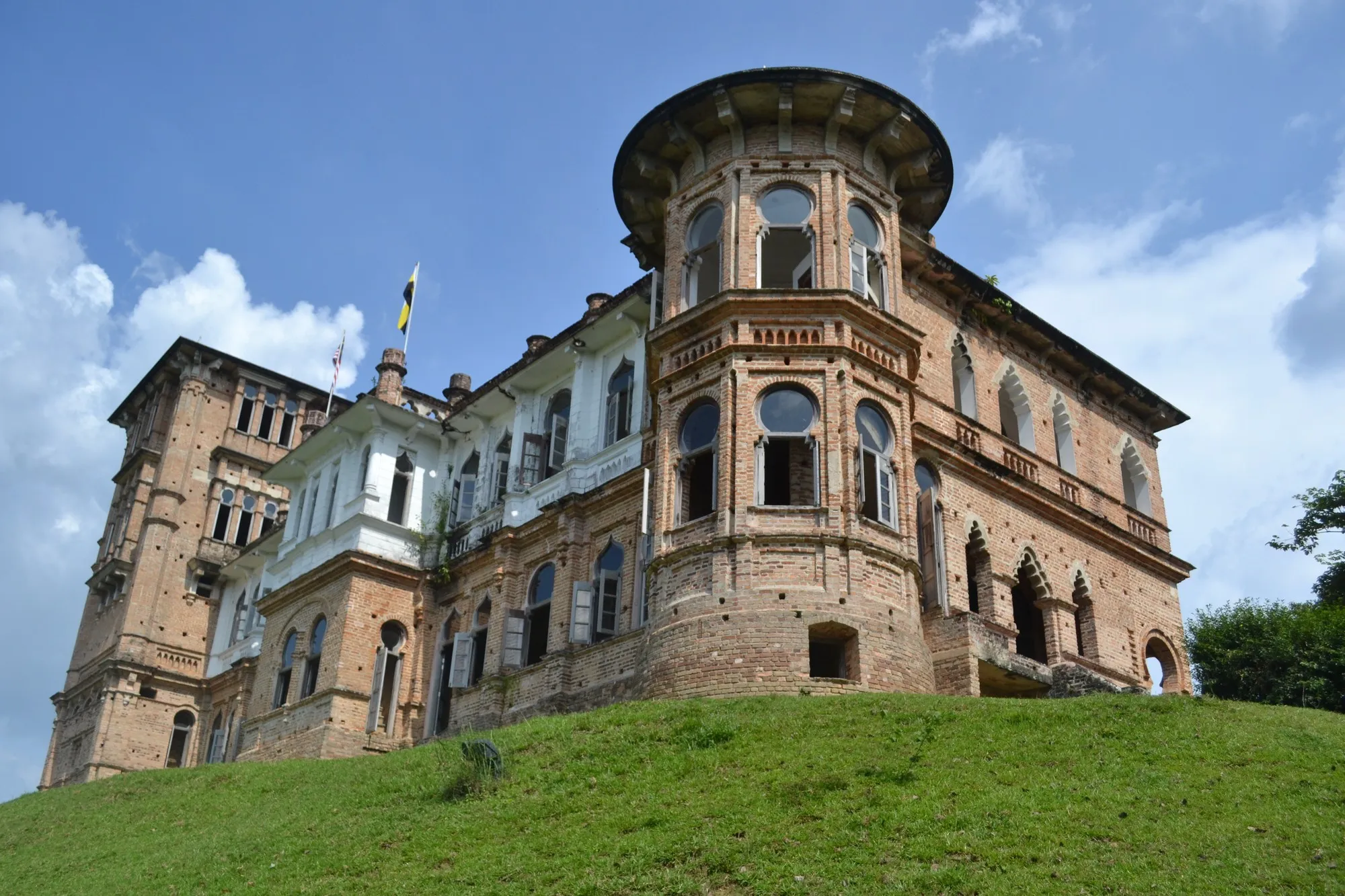
In short: Kellie’s Castle is the unfinished mansion of William Kellie Smith, a Scottish planter who grew rich from rubber in the Kinta Valley. He began it after his son was born in 1915, beside an earlier family home in Batu Gajah, Perak. The 1918 flu killed many of his workers. Then he died of pneumonia in Lisbon in 1926, and the work stopped for good. Ghost stories grew around the empty shell.
Why was Kellie’s Castle never finished?
William Kellie Smith died of pneumonia in Lisbon on 11 December 1926, aged 56. Building stopped. Agnes never returned to Malaya and sold her interest in the estate, and the new owners had no use for a half-built palace. The jungle moved in.
Who was William Kellie Smith?
He was born in 1870 in the north-east of Scotland and came to Malaya in 1890, aged 20. He worked with Charles Alma Baker, a contractor in Kinta, on road building and survey work.
With the money he made, he bought land and planted rubber. It made him rich. He also had tin interests, through the Kinta Kellas Dredging Company. His estate was called Kinta Kellas, after a place name from home. “Kellie”, it’s said, was his mother’s maiden name, which he added to plain William Smith.
He married Agnes and brought her to Malaya in 1903. Their daughter Helen was born in 1904, and their son Anthony in 1915.
Kellas House: the first mansion
Before the castle came Kellas House. The family’s first home on the site was a wooden bungalow. Around 1909–1910 Kellie Smith replaced it with a brick and stone house, which a London financial paper wrote about in September 1911.
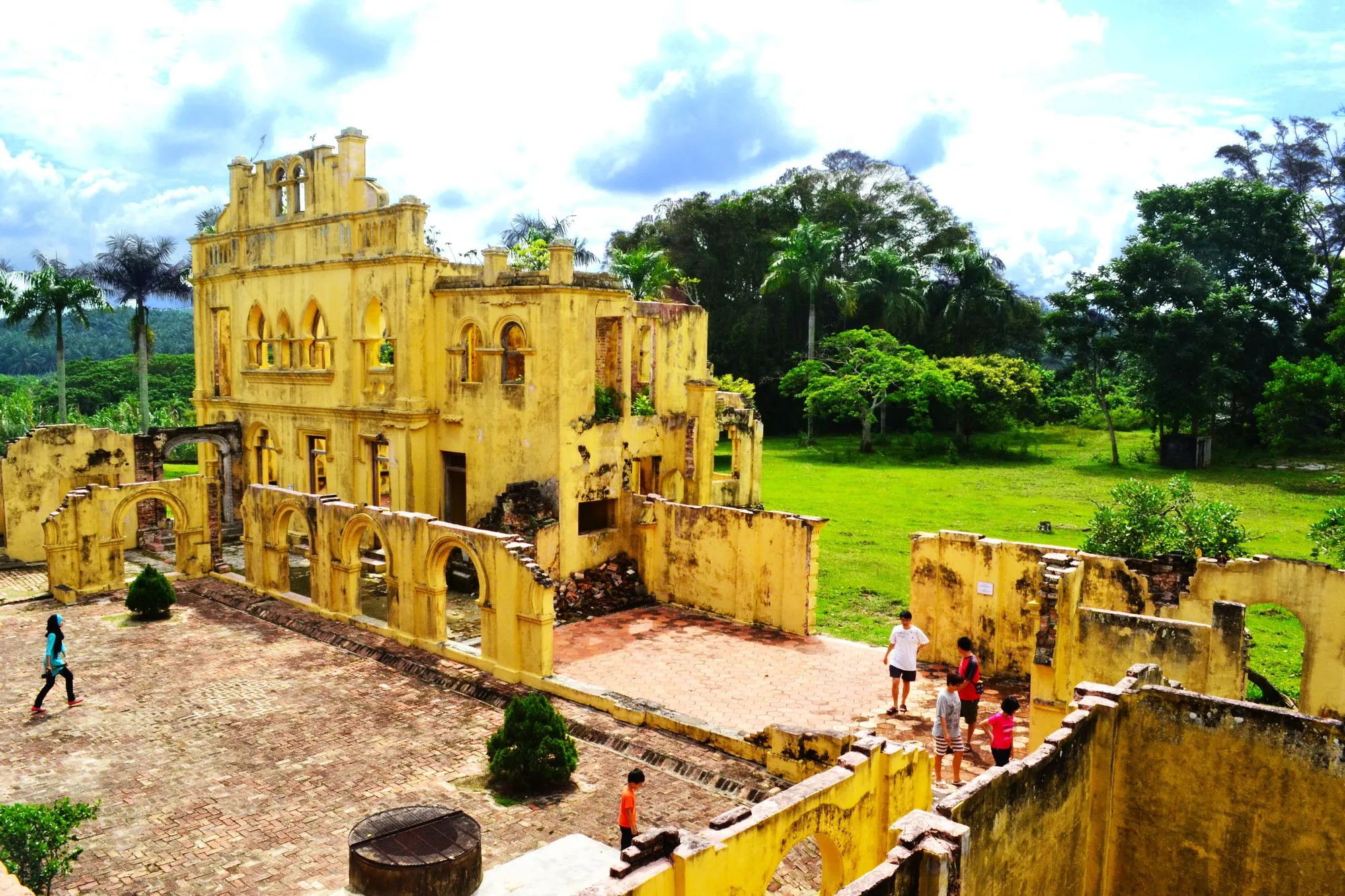
Its remains still stand next to the castle. Kellas House is said to have been badly damaged by Japanese bombing in the Second World War.
A castle for a son
Anthony’s birth in 1915 seems to have spurred a far bigger project: a second mansion right beside the first.
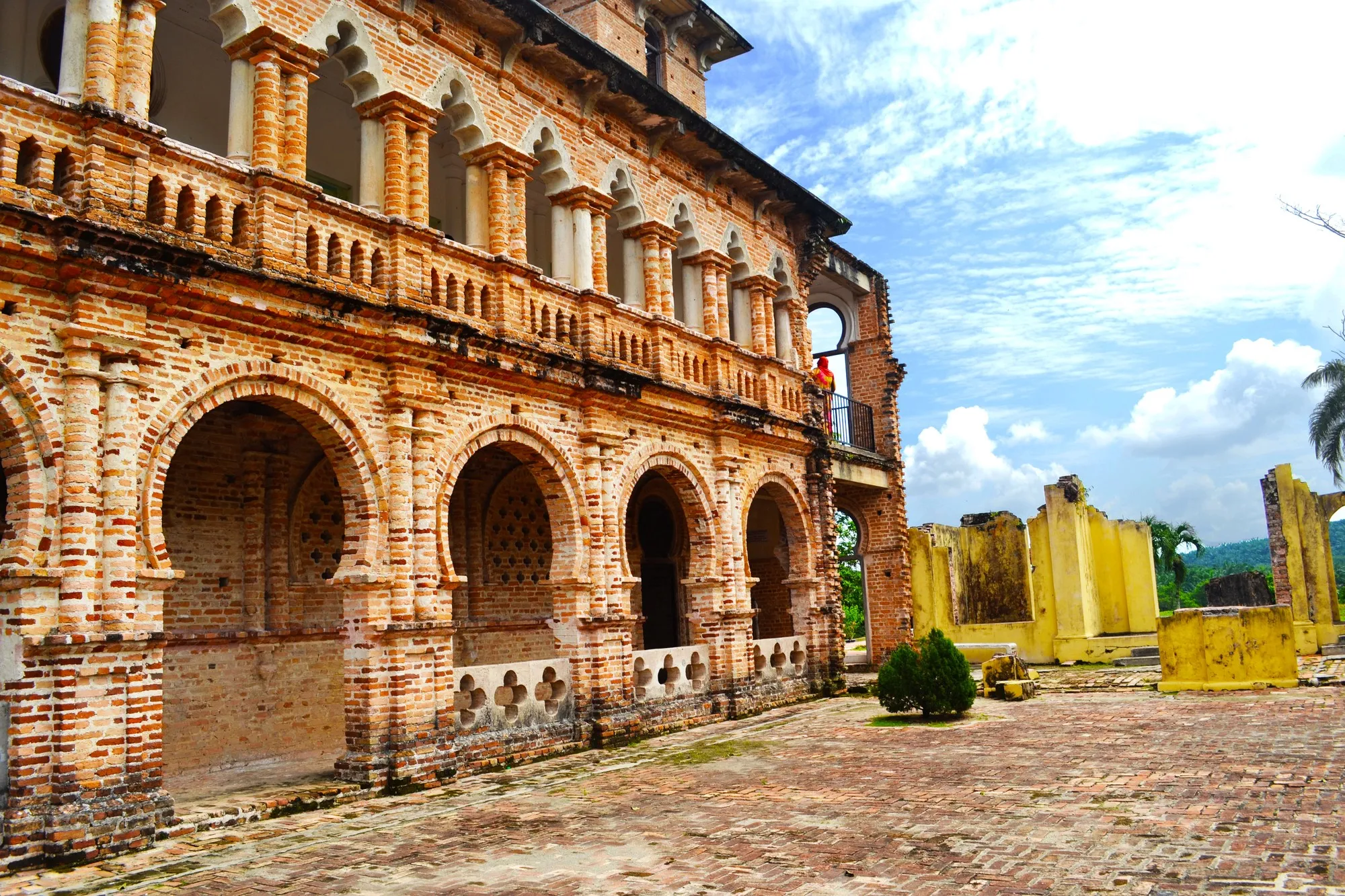
Around 70 craftsmen came from Madras in India, and bricks and marble were imported from India too. The design mixed Moorish, Indo-Saracenic and Roman styles, with horseshoe-shaped arches and plaster cornices.
The plans were grand. There would be 14 rooms, a wine cellar, secret rooms, hidden stairways and underground tunnels, a tennis court and a rooftop courtyard. There was even to be a lift, which would have been Malaya’s first. You can still see the shaft.
The flu, and a temple
Progress was slow. The First World War is said to have disrupted supplies and labour. Then, after the war ended in 1918, the Spanish flu reached the estate and killed many of the workers.
The workers asked Kellie Smith to help build a temple. He agreed, and moved builders from the mansion to the temple site. The Sri Maha Mariamman Temple stands on the Kinta Kellas estate near the castle, and it is still used today.
Look up at the figures on its roof. Among the deities is a figure of a European in colonial dress and a topee, said to represent Kellie Smith himself.
Locals tell two versions of how the temple began. One links it to the 1918 flu. The other, told by the temple’s devotees, says it was a small shrine that Kellie Smith expanded in 1907, while building his first mansion. A handbook on the temple’s history was published in 2022 in four languages.
A trip to Lisbon
Work on the castle went on after the epidemic, and by 1926 it is said to have been nearing completion.
That year Kellie Smith travelled to Britain and then on to Portugal. In Lisbon he caught pneumonia and died. He was buried there.
The property later passed to the British company Harrisons and Crosfield. The castle was left unfinished, which is why it is also known as “Kellie’s Folly”.
Ghosts and films
Placards around the castle tell of ghostly sightings. One story describes a figure in a window, said to be Kellie Smith. Another tells of a child playing in the bedroom that was Helen’s. It’s also said that a tunnel once ran from the castle to the temple.
Enjoy these as local tales. Kellie Smith, after all, died and was buried far away in Lisbon.
Film-makers have loved the place too. Scenes for the 1999 film Anna and the King were shot here.
Visiting Kellie’s Castle
The castle is on Jalan Gopeng in Batu Gajah, south of Ipoh. The site was cleared and opened to visitors, and it’s now run as a tourism complex. Check current visiting details before you go.
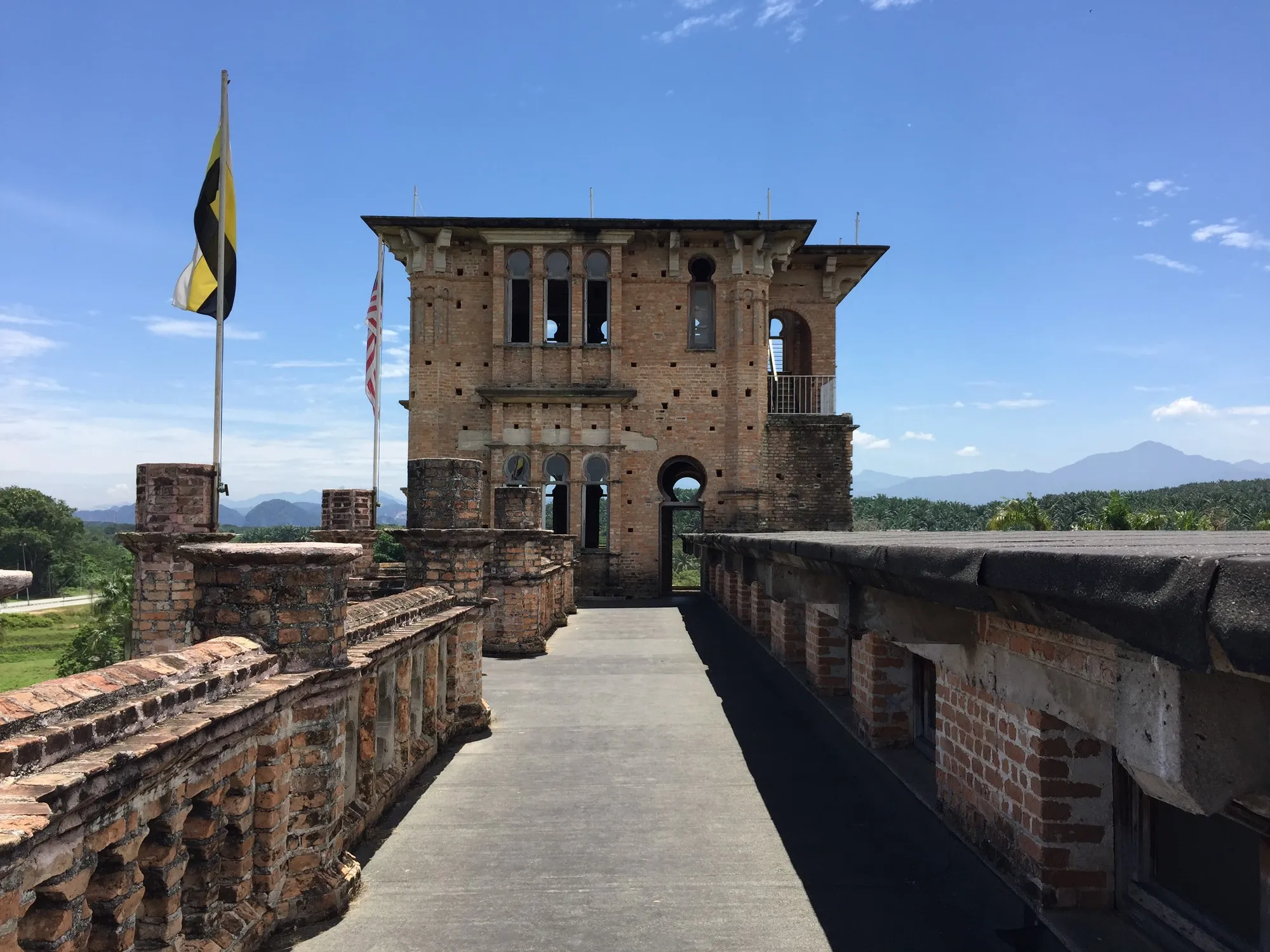
The rooftop looks out over the old estate, and the ruins of Kellas House stand next door. If you visit the temple, remember it’s a place of worship, and dress and behave respectfully.
What is still debated
- When it was built. Some sources date the castle to 1910, mixing it up with Kellas House. Others give 1915 for the castle itself.
- How tall it was meant to be. Accounts range from three storeys to four floors to a six-storey tower.
- Why he went to Lisbon. To collect or order the lift, or to sign a land deal: both are told.
- When Agnes left. Some say she had already gone to Britain before he died; others say she left afterwards.
- The temple’s origins and distance. It is described as about 500 m from the castle in one account and 1.5 km in another, and its origin story has two versions.
Have a family story or photo of Kinta Kellas or the castle? Write to us at [email protected]. If you run a heritage venue, claiming a listing is coming soon: see aevum.my/businesses.
Report an error · Something wrong, incomplete or culturally insensitive? Tell us and we aim to review it within 5 working days.
Questions
Why was Kellie's Castle never finished?
Its owner, the Scottish planter William Kellie Smith, died of pneumonia in Lisbon in December 1926, aged 56, and building stopped. Work had already been slowed by the First World War and the 1918 flu, which killed many of his workers. His wife Agnes never returned to Malaya and sold her interest in the estate.
Who built Kellie's Castle?
William Kellie Smith, a Scot born in 1870, came to Malaya in 1890 aged 20 and worked with Charles Alma Baker on roads and surveys. He made his fortune from rubber, and had tin interests too. Around 70 craftsmen from Madras in India worked on the mansion, which was begun after his son's birth in 1915.
Where is Kellie's Castle?
Kellie's Castle stands on a low hill beside Sungai Raya, a small stream that feeds the Kinta River, on Jalan Gopeng in Batu Gajah, Perak. It sits on what was Kellie Smith's Kinta Kellas estate, south of Ipoh. The site is now run as a tourism complex, so check the operator for current visiting details.
Is Kellie's Castle haunted?
Ghost stories are part of its fame, but they are local tales, not history. Placards at the castle tell of sightings, including a figure in a window said to be Kellie Smith and a child in his daughter Helen's bedroom. Kellie Smith died and was buried in Lisbon, far from Batu Gajah.
Sources
Tourism Malaysia, “Kellie’s Castle”; Majlis Daerah Batu Gajah, “Kellie’s Castle”; Free Malaysia Today (2020, 2022); The Star (2022, 2025); Wikipedia, “Kellie’s Castle” and “凯利古堡” (cross-check only).