Gastronomy · Explorers
Top 10 Ipoh dishes and the stories behind them
By Aevum Editorial · Published · Updated
In short: Ipoh’s signature foods trace back to the communities that settled there during and after the tin era. Many came from Cantonese, Hakka and Hainanese cooking. Others came from Indian Muslim and Tamil families. Here are ten dishes locals name for the city, in no particular order, with the story behind each and, where accounts disagree, both sides.
What food is Ipoh known for?
Simple dishes done with care: poached chicken, rice noodles, coffee, snacks and biscuits.
Researchers have linked many of them to Cantonese, Hakka and Hainanese cooking, and to the city’s Indian community. Our post on why Ipoh is so famous for food explains how that mix came about.
1. Bean sprout chicken (nga choy kai)
Poached chicken arrives with a separate plate of short, plump bean sprouts, dressed with soy sauce and oil, and comes with rice or rice noodles.
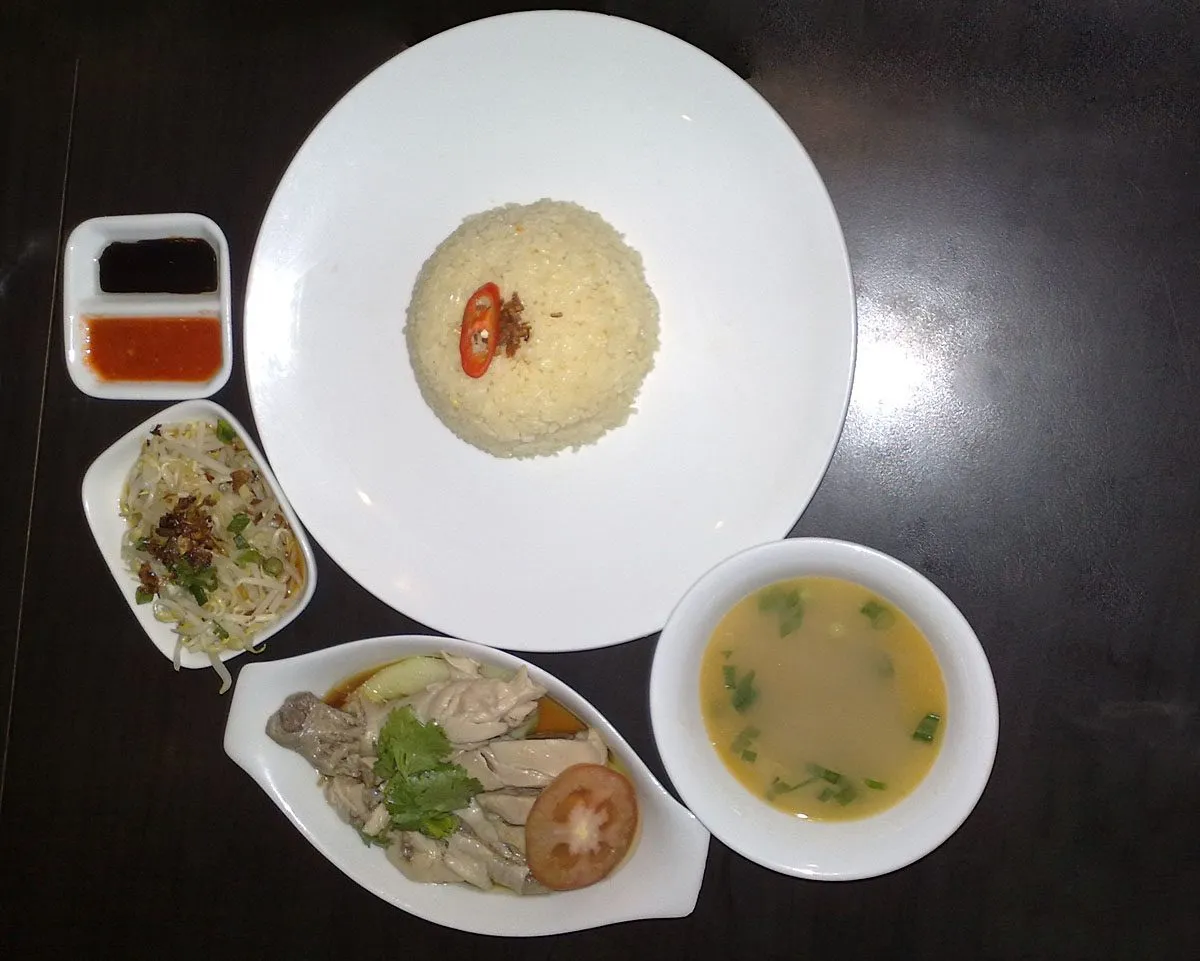
Growers and residents credit the groundwater from the limestone hills for the sprouts’ crunch, though no scientific test seems to back it. Locals tell two versions of the dish’s origin: a Hainanese chicken-rice variation, or Cantonese noodle stalls that added sprouts as a cheap side.
2. Kai si hor fun (Ipoh sar hor fun)
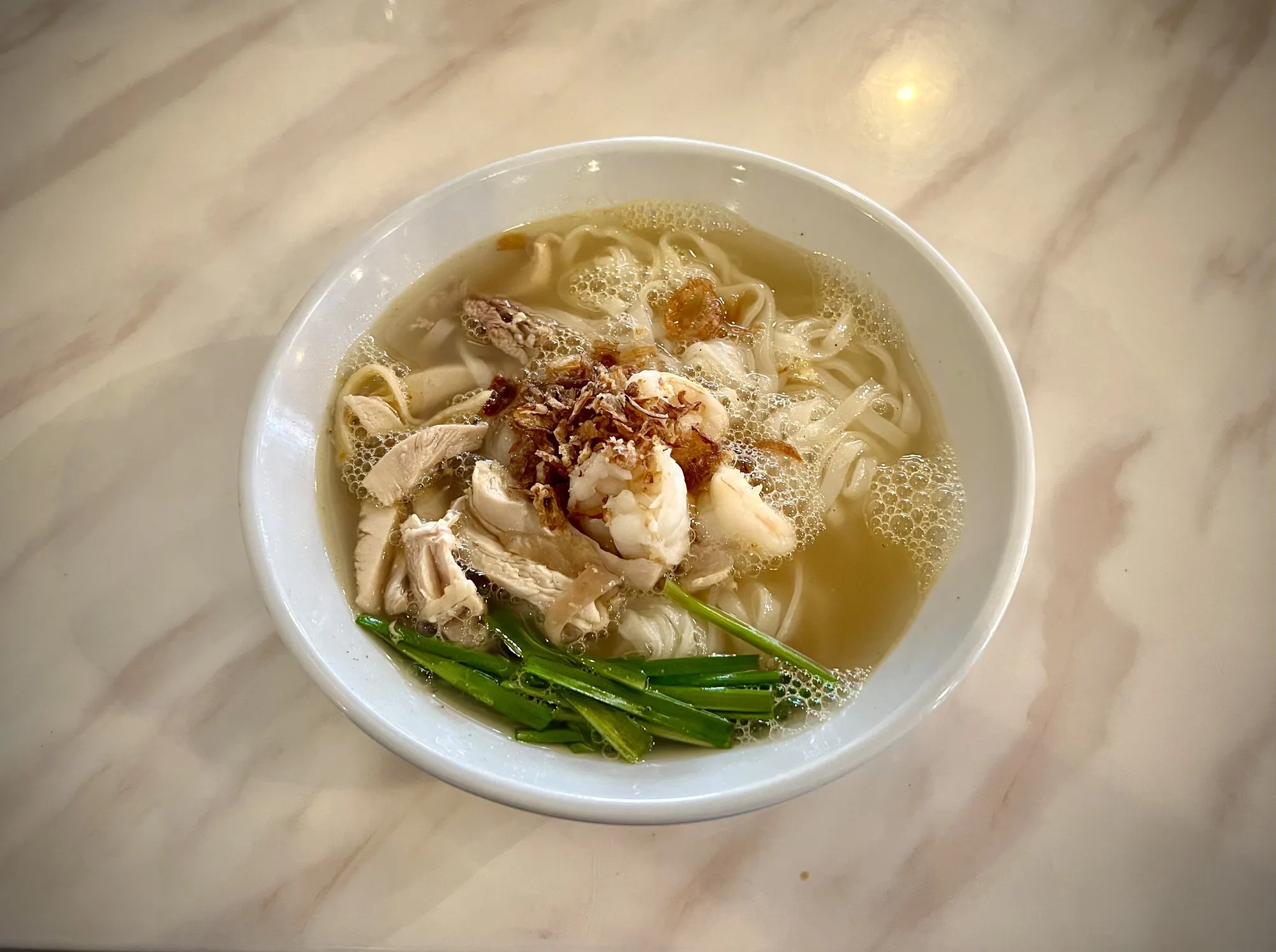
Flat rice noodles in clear soup, with shredded chicken, prawns and chives.
Local accounts trace it to Cantonese and Hakka migrants. Vendors are said to have later boiled prawn heads and shells into the broth, giving it an orange tint. Locals praise the city’s smooth noodles. One noodle maker, founded in 1959, says it uses premium rice and a high rice content; others credit the water.
3. Ipoh white coffee
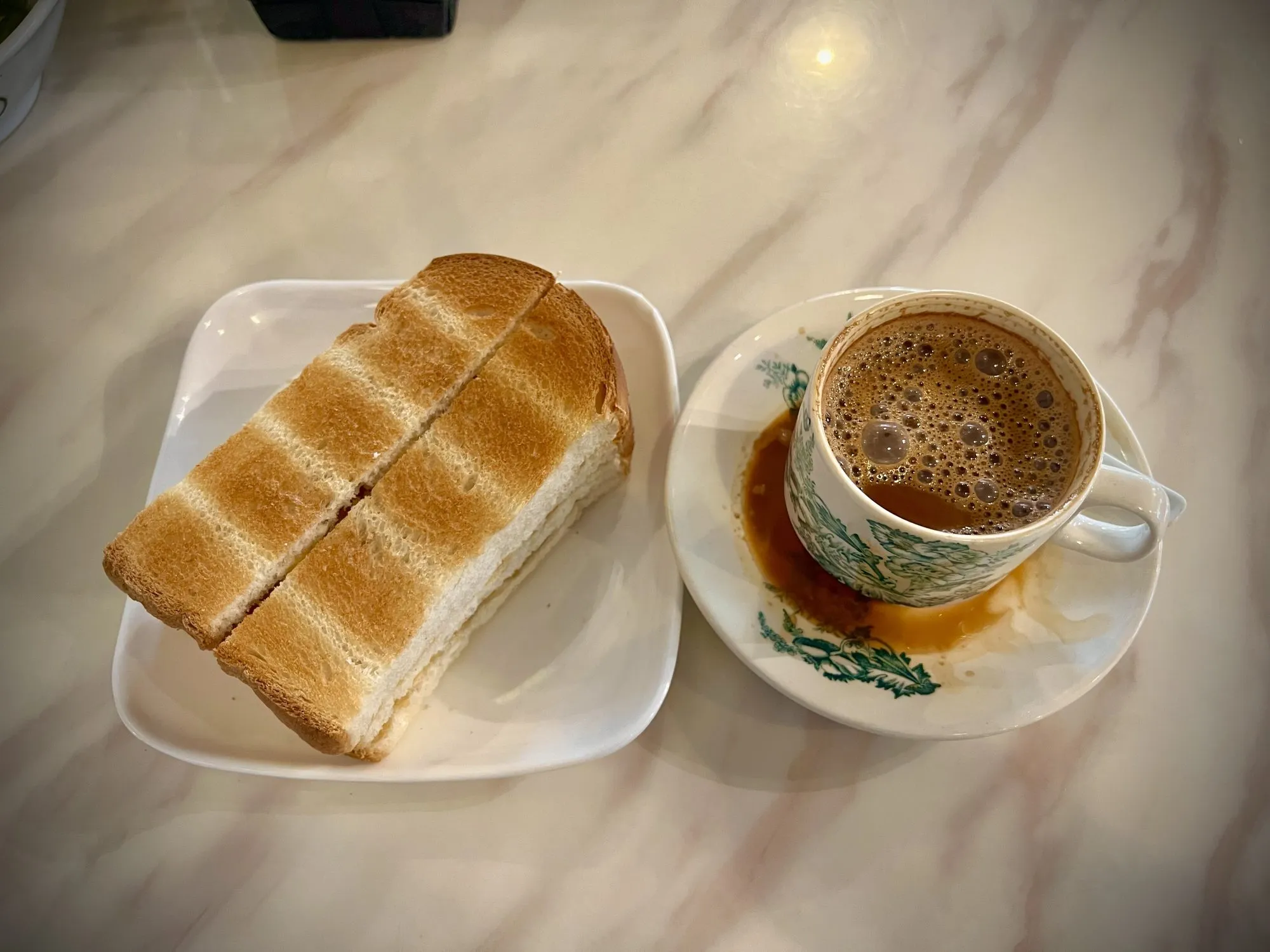
Coffee beans roasted with palm-oil margarine and usually little or no sugar, then served with condensed milk. It’s linked to Hainanese coffee shops in Old Town, though several shops claim to have invented it. See our post on Ipoh white coffee.
4. Ipoh-style chee cheong fun
Steamed rice noodle rolls. Ipoh diners often eat them plain, with a dash of soy sauce and sesame oil and crunchy pickled green chillies.
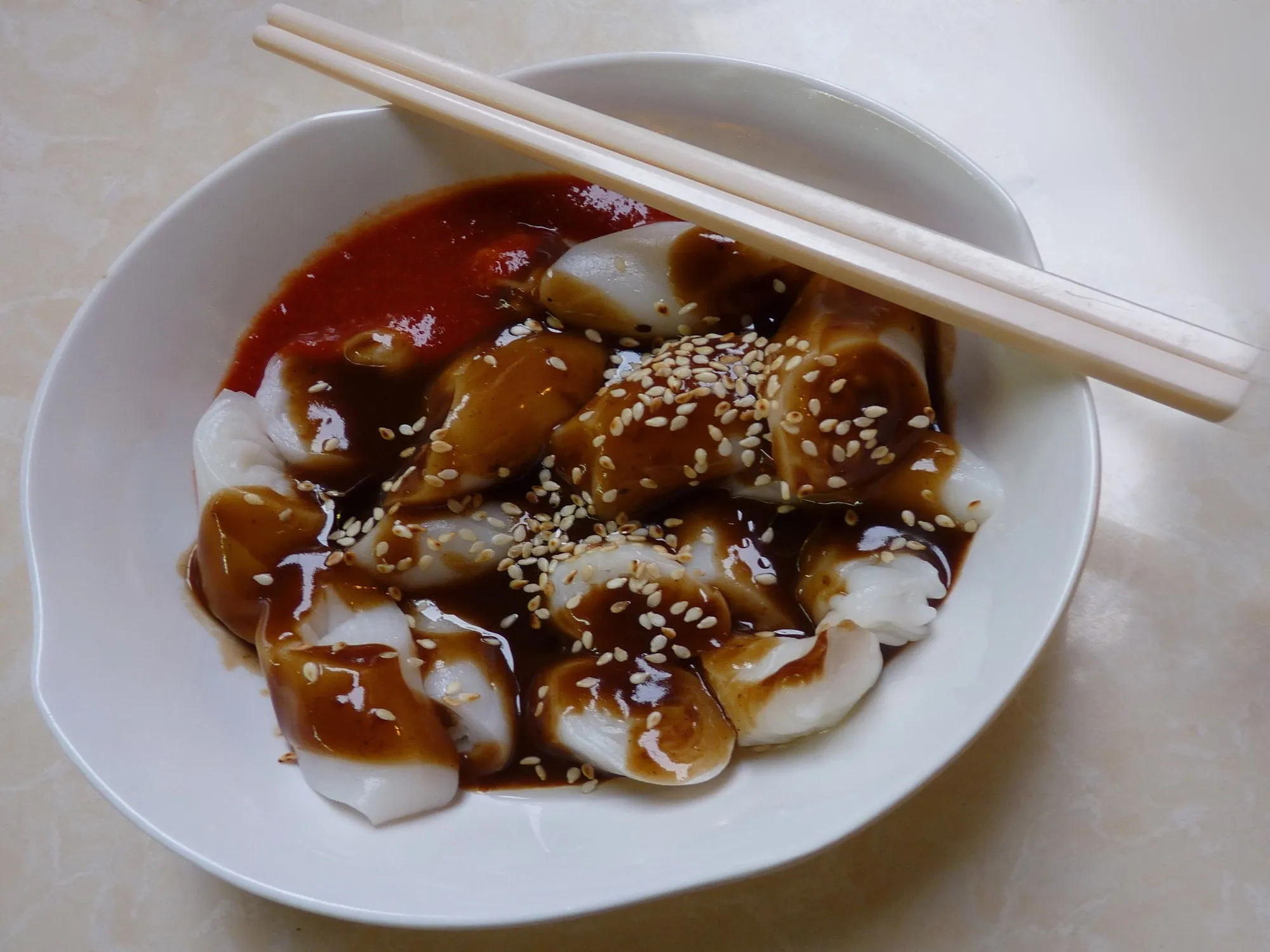
Other versions come with a mushroom sauce, or a thin red sweet sauce coloured with red glutinous rice. The dish has been linked to Cantonese cooking, and the mushroom sauce is described as particular to Ipoh.
5. Salt-baked chicken
Known in Cantonese as yim kok gai. A whole chicken is seasoned with Chinese herbs, wrapped in wax paper and baked in a large wok of hot coarse salt.
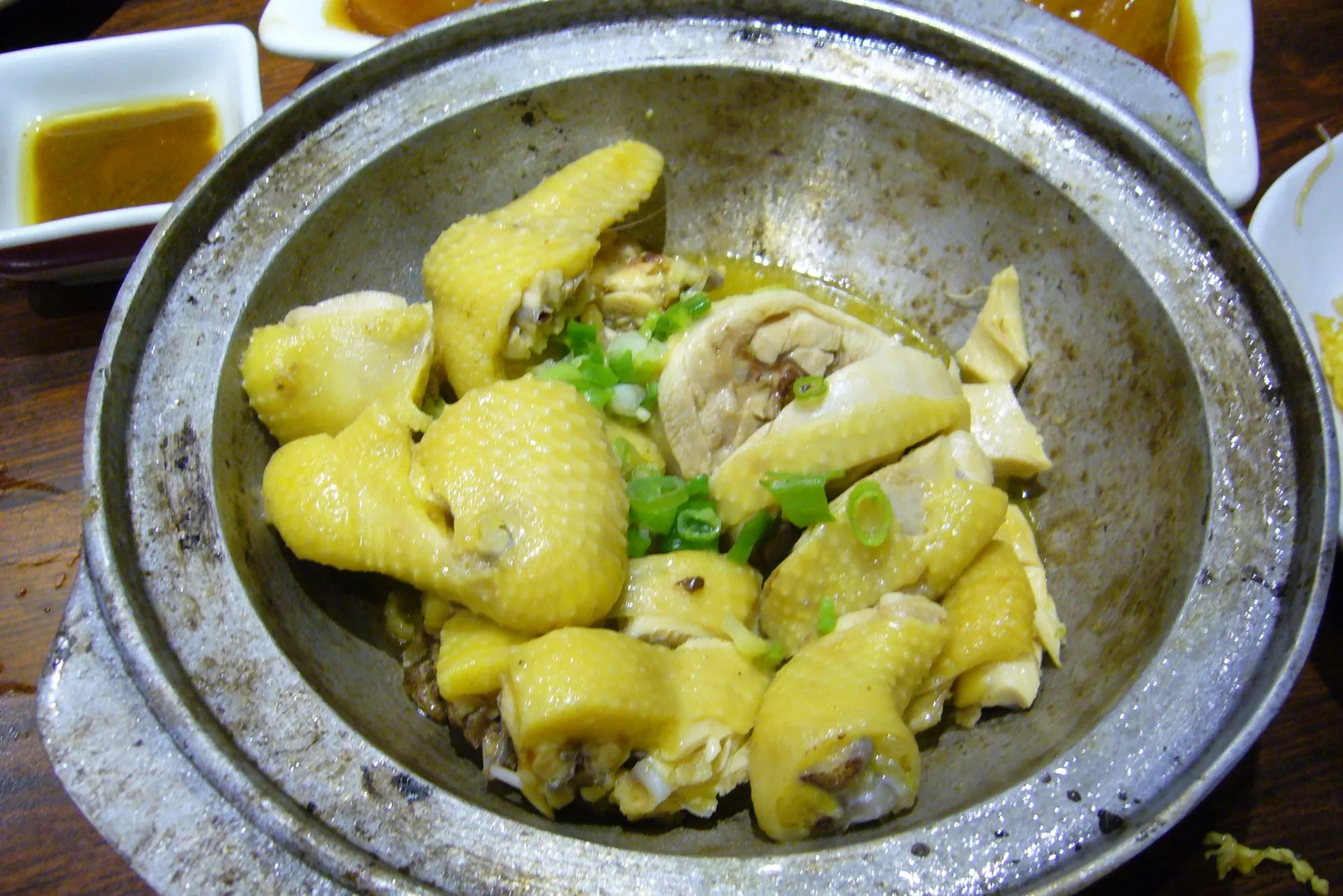
It’s been linked to Hakka cooking. At one Ipoh shop, staff have said that adding angelica (dong quai) was the owner’s own idea. It’s a popular edible souvenir, often bought whole to take away.
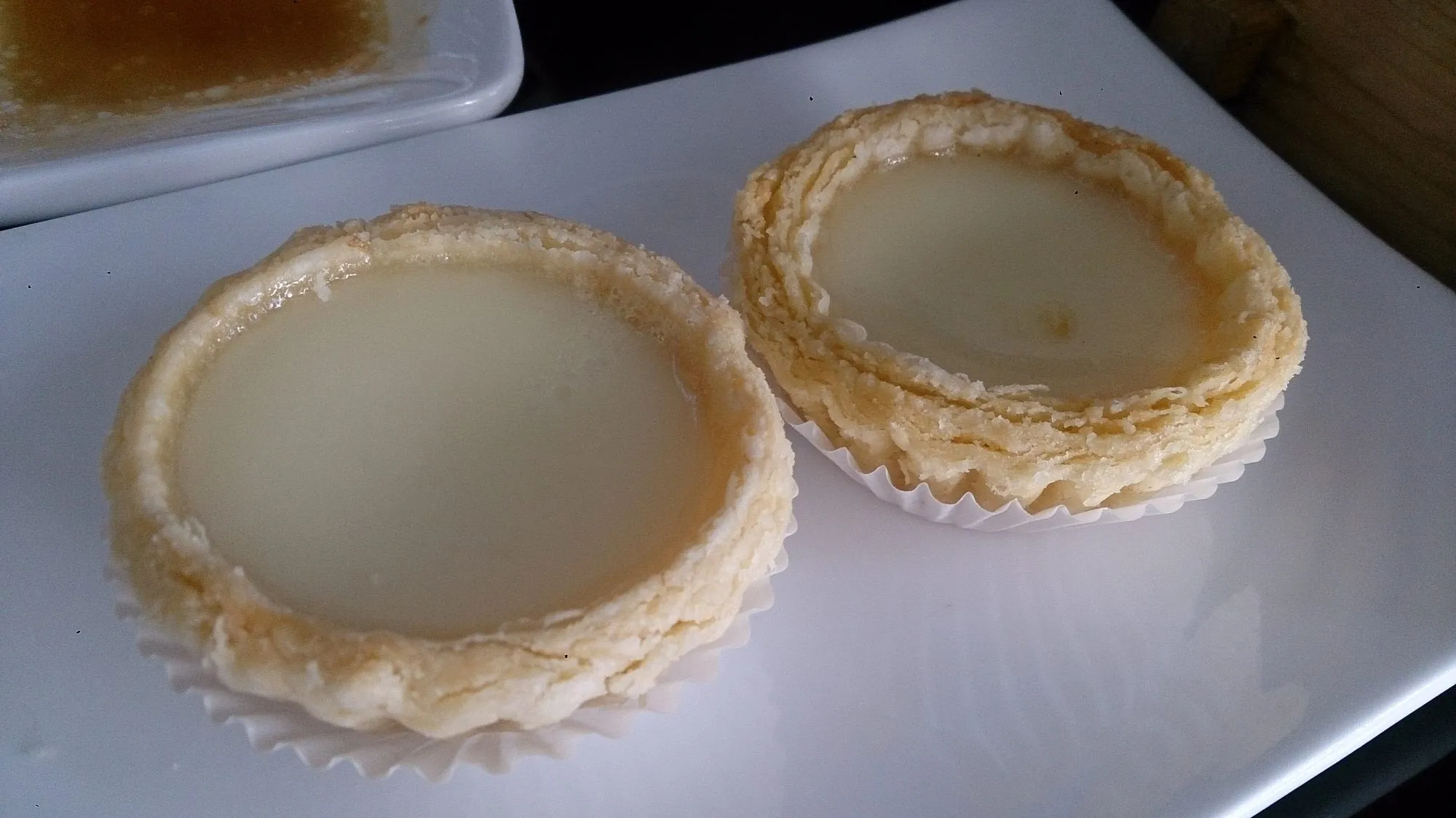
6. Egg tarts
Small tarts with a smooth egg-custard filling. They’re said to have come to Ipoh with the Cantonese, originating in Guangzhou. In Old Town, egg tarts have been described as a signature at the Nam Heong coffee shop, eaten alongside white coffee.
7. Tau fu fa
Silky soybean pudding in syrup, often ordered with soy milk.
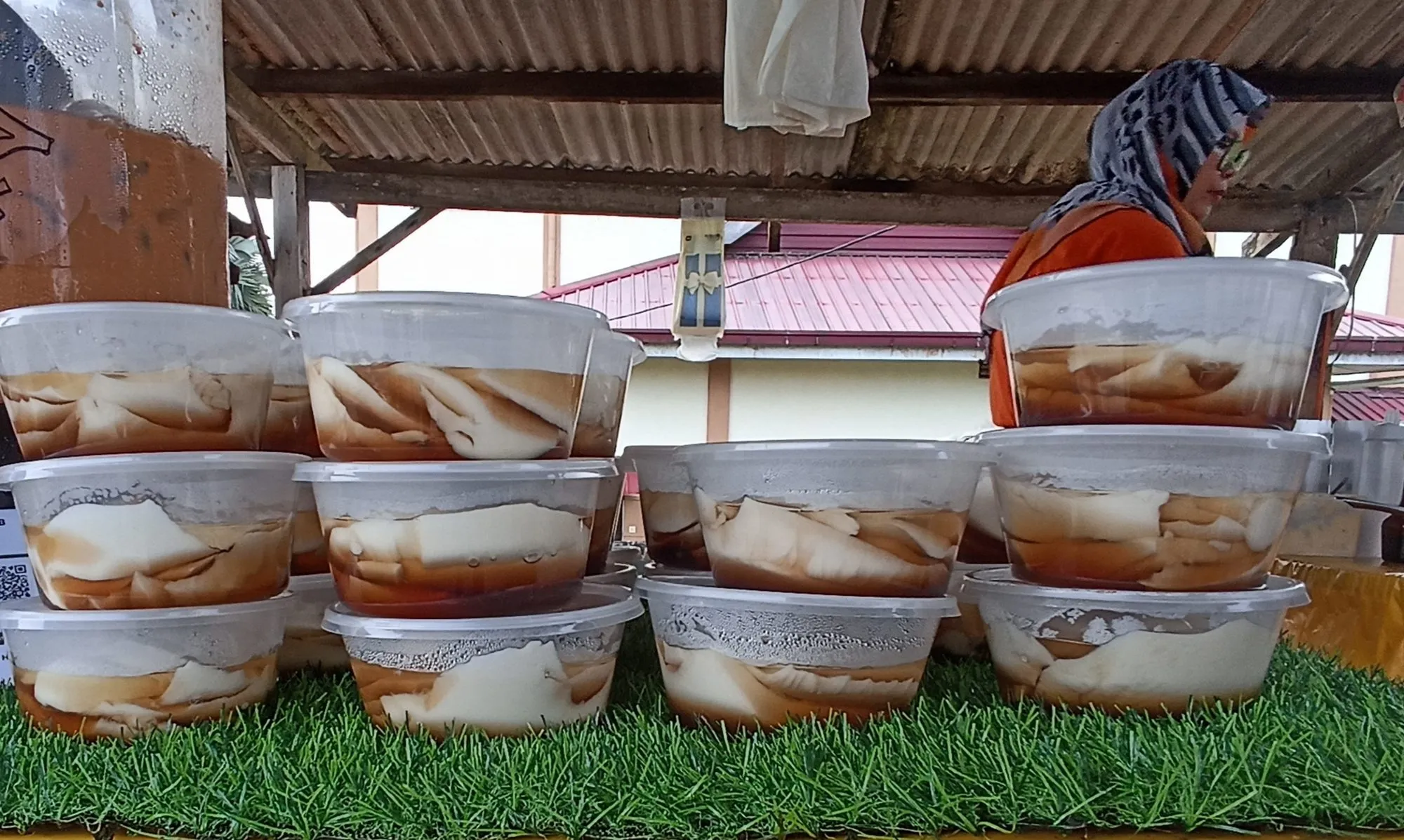
One well-known stall near Jalan Yau Tet Shin, Funny Mountain (奇峰), is said to have begun in the 1950s as a pushcart and to be run today by the third generation. Some say the family recipe came from Guangdong; one account names the city of Shantou.
8. Nasi kandar “nasi ganja”
Rice with curry, fried chicken and sides, sold at a stall in a Chinese coffee shop. “Ganja” means cannabis, but the nickname is a joke about how addictive the food is.
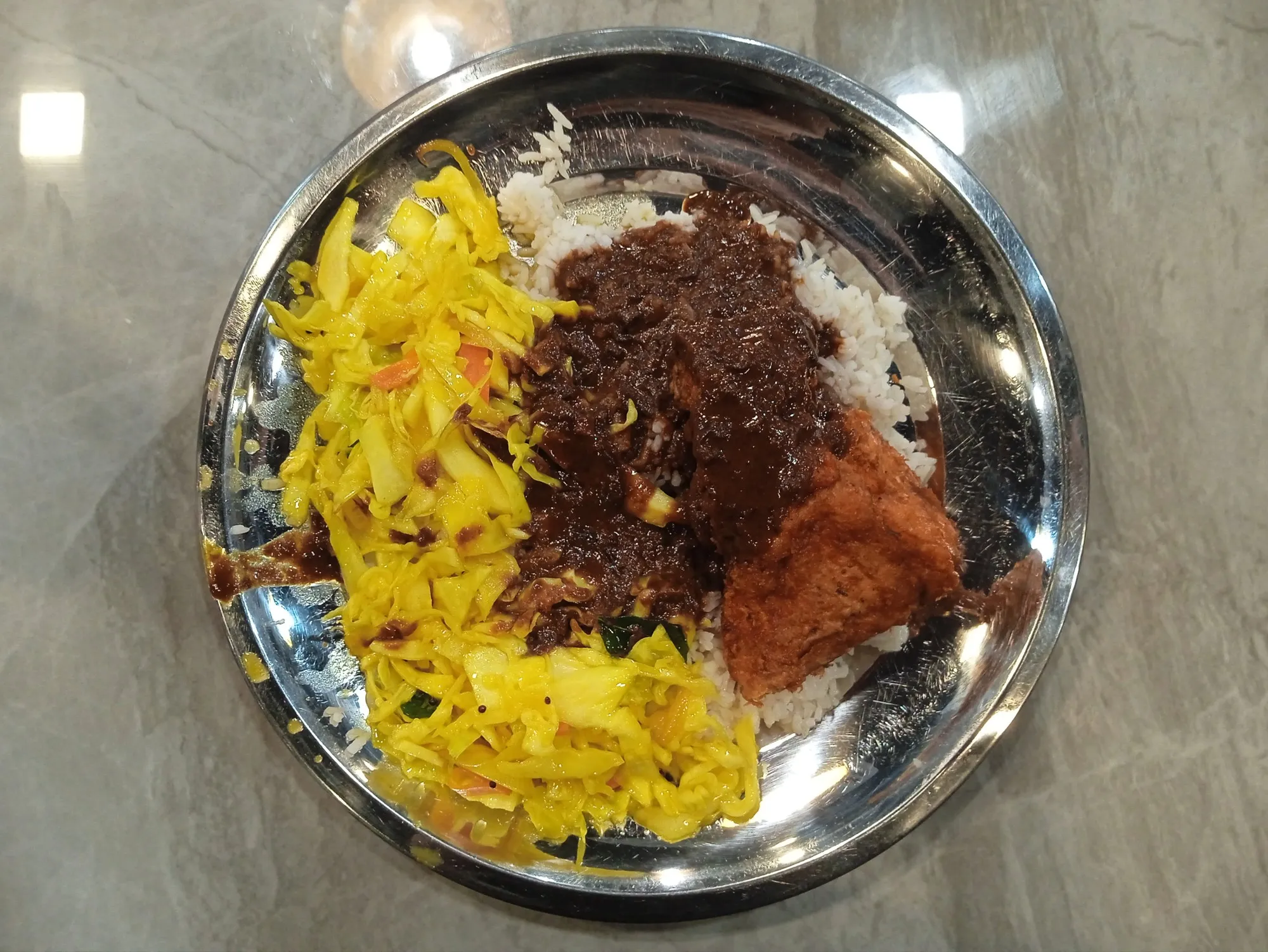
Accounts differ on when the stall began (1957, or the early 1960s) and who founded it. The current owner’s family traces it to his grandfather, who came from Tamil Nadu.
9. Kacang putih
An umbrella name for Indian snacks such as roasted chickpeas and murukku.
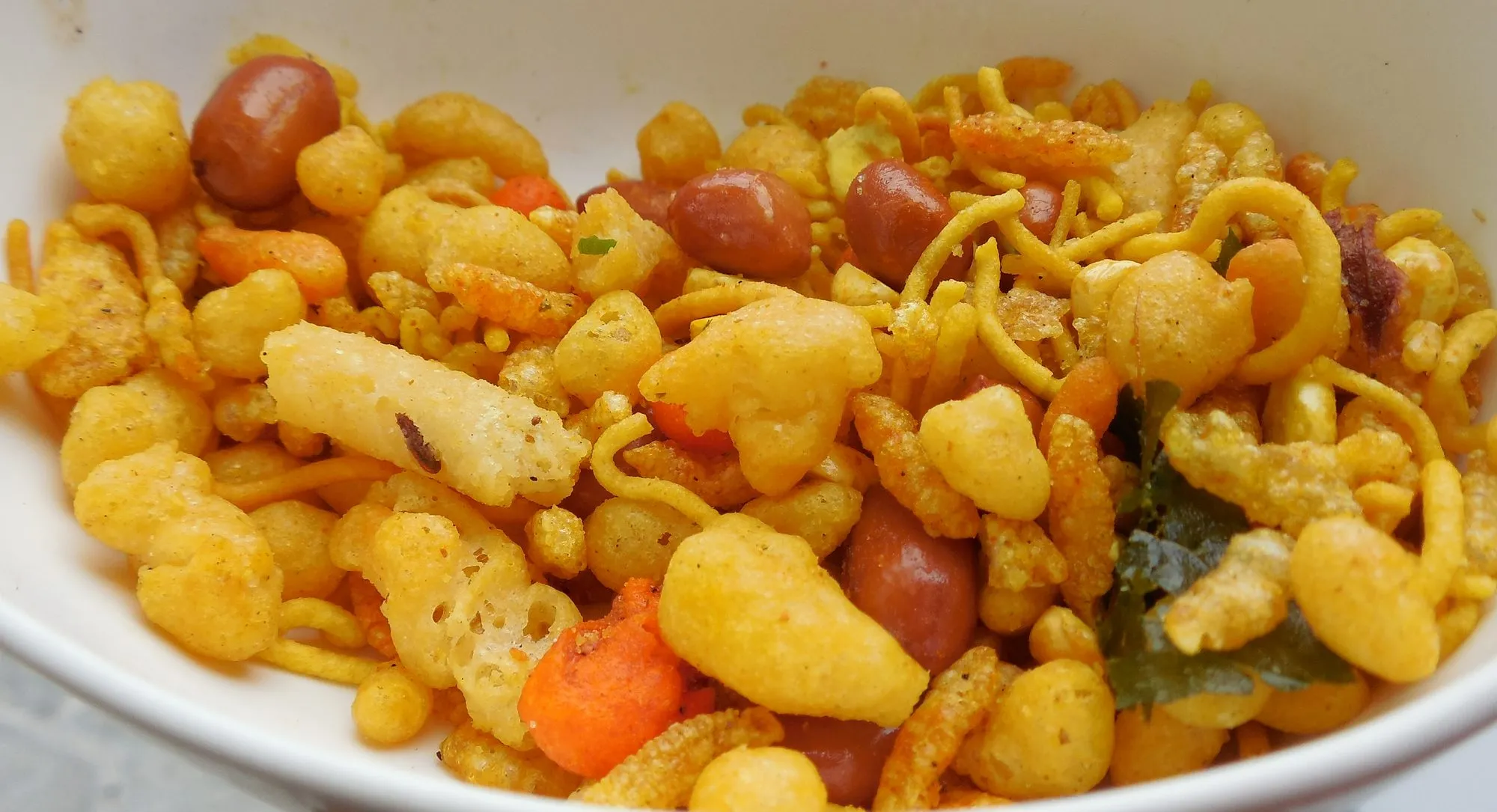
In Buntong, families of the Nadar clan from Ettayapuram in Tamil Nadu make them in what is known as Kampung Kacang Putih. They settled there after a deadly rockfall at Gunung Cheroh in October 1973 forced them to leave their old homes.
10. Heong peng
Round, flaky biscuits topped with sesame and filled with maltose and fried shallots.
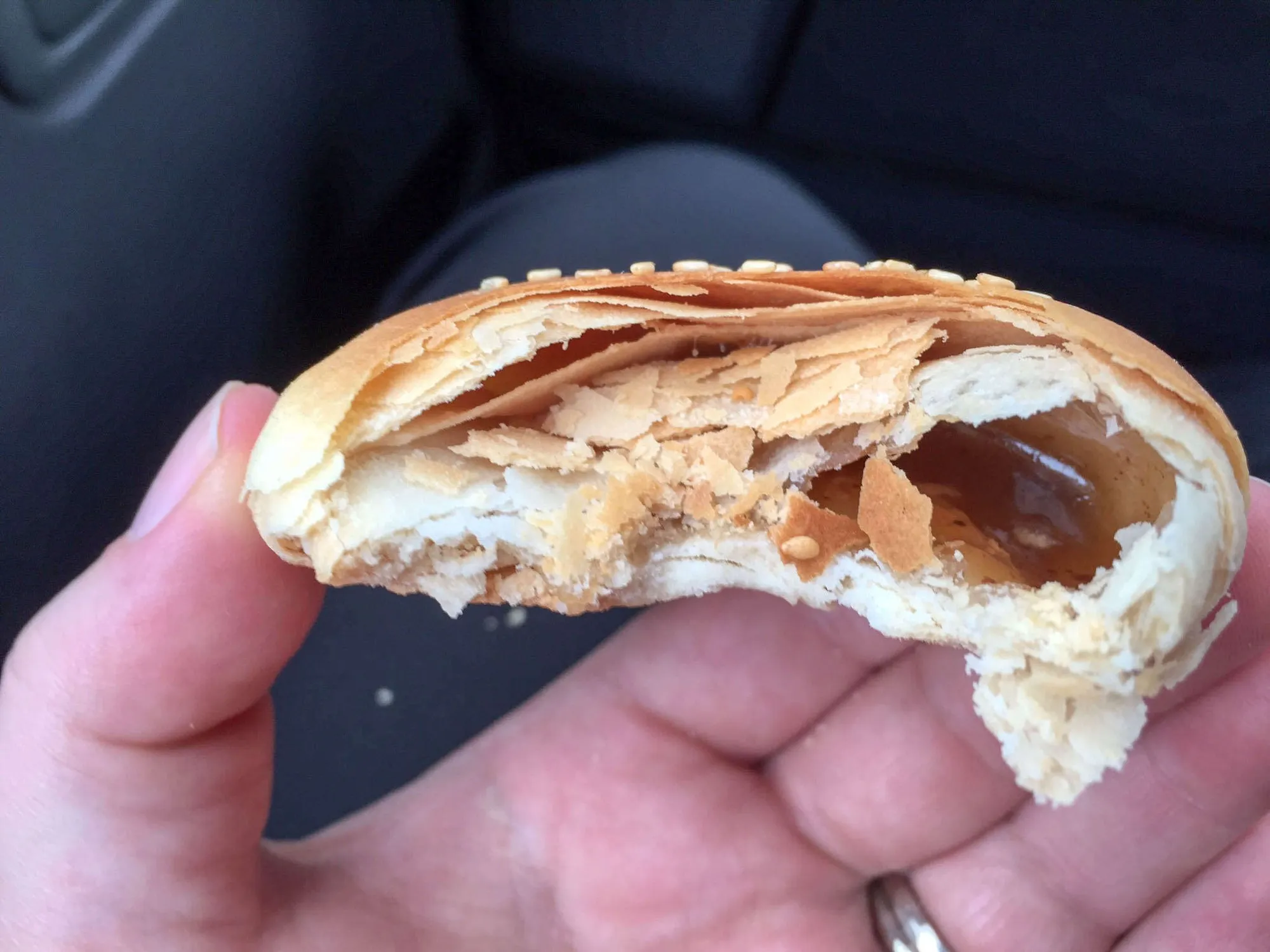
In Ipoh they’re tied to the village of Gunung Rapat, where some bakers still use wells heated by burning coconut husks. Some elders say the first Gunung Rapat bakers learnt the craft in Teluk Intan.
What is still debated
- The origin of bean sprout chicken and the role of limestone water.
- Who invented white coffee, claimed by several coffee shops.
- When the nasi ganja stall began, and who founded it.
Run one of the places mentioned here? Claiming a listing is coming soon: see aevum.my/businesses. Have a food story to share? Write to [email protected].
Report an error · Something wrong, incomplete or culturally insensitive? Tell us and we aim to review it within 5 working days.
Questions
What food is Ipoh known for?
Dishes widely linked to Ipoh include bean sprout chicken, chicken-and-prawn rice noodle soup (kai si hor fun), white coffee and Ipoh-style chee cheong fun. Locals would also name salt-baked chicken, egg tarts, tau fu fa, the nasi kandar nicknamed nasi ganja, Buntong's kacang putih and Gunung Rapat's heong peng biscuits.
Why is it called nasi ganja?
Nasi ganja is a nickname for the nasi kandar sold at a long-running stall in an Ipoh coffee shop. Ganja means cannabis, but there is none in the food. The name is a joke about how addictive customers find it. Even the owner has said that he does not know how the nickname began.
What is the difference between Ipoh chee cheong fun and other versions?
In Ipoh, chee cheong fun (steamed rice noodle rolls) is often eaten plain, with a little soy sauce and sesame oil, sesame seeds and crunchy pickled green chillies. It is also served with a mushroom sauce or a thin red sweet sauce. In the Klang Valley, a thicker brown sweet sauce is more common.
What can I bring home from Ipoh?
Popular edible souvenirs include salt-baked chicken and heong peng, flaky biscuits with a maltose and shallot filling. Both are among the local products that people order from Ipoh. Kacang putih snacks from Buntong are also sold widely, and some makers now export them.
Sources
J. M. Pladdet, Wageningen University MSc thesis (2019); Ipoh Echo (2018, 2019); Malay Mail (2014, 2015, 2016, 2023); Time Out Kuala Lumpur; Free Malaysia Today (2020, 2022); Bernama via Malaysiakini (2010); The Star (2017); 東方日報 Oriental Daily, Hong Kong (2009) and Malaysia (2021); 太陽報 The Sun, Hong Kong (2011); Utusan Malaysia (2023); plus the sources for our bean sprout and white coffee posts.