Heritage & Roots · Museum
Han Chin Pet Soo
In short: Han Chin Pet Soo (闲真别墅) is the clubhouse of Ipoh's Hakka tin miners, on Jalan Bijeh Timah in Old Town. The tin miner Leong Fee founded the club in 1893, members rebuilt it as three storeys in 1929, and since 2015 it has been a museum of the tin-mining era. Visits are by appointment.
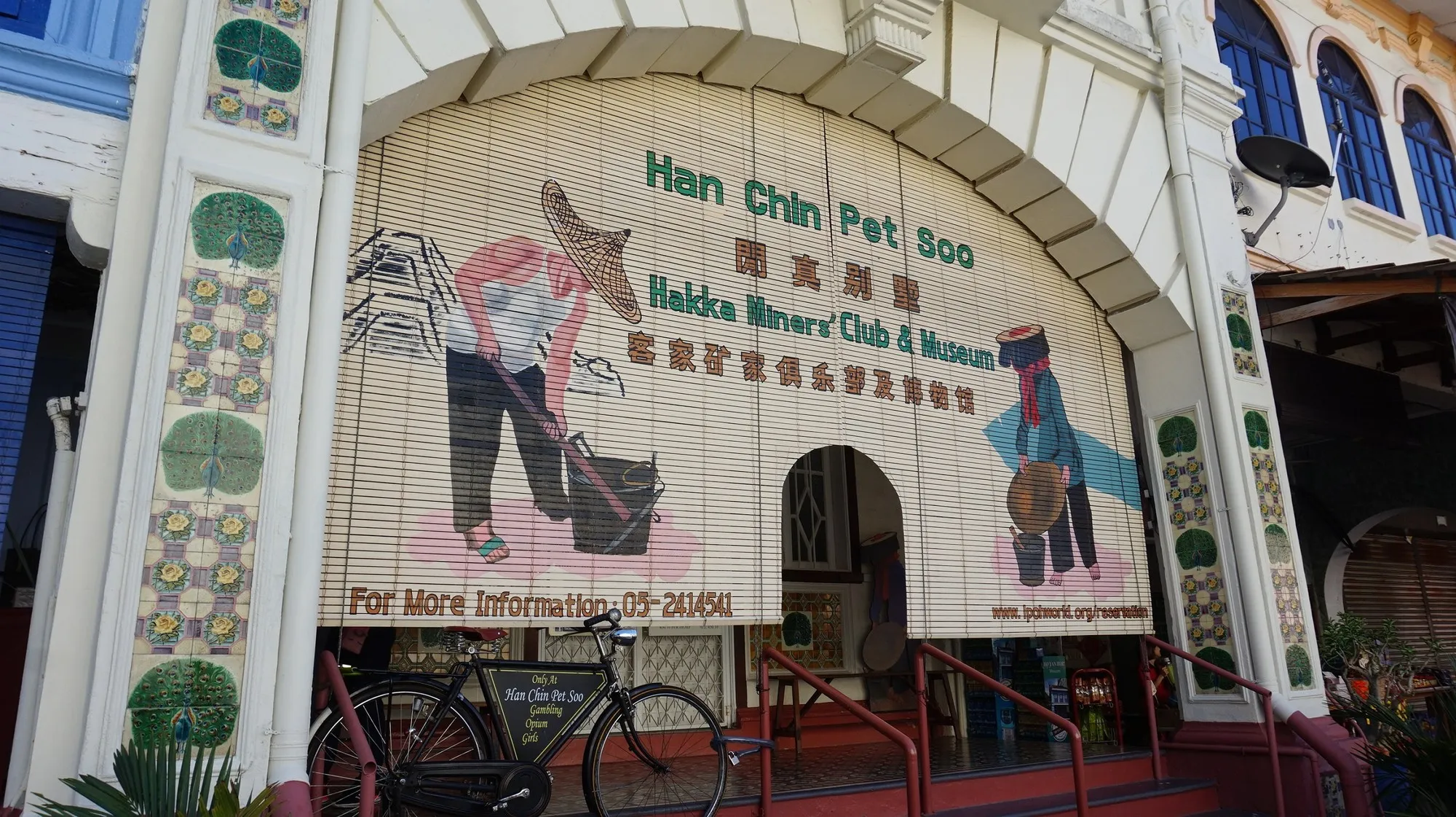
A club for Hakka miners
The club was founded in 1893 by Leong Fee, a Hakka tin miner and towkay, in a two-storey shophouse on the same site. Membership was for Hakka miners and the Hakka community. Members came to meet friends, eat and play mahjong. In 1927 his son sold the building to the members, well below its market value.
The building you see today
In 1929 the members rebuilt the clubhouse as three storeys, with an Art Deco-style front, a ribbed dome and geometric windows. Among the two-storey shophouses of Jalan Bijeh Timah (once Treacher Street), it is hard to miss. The ground floor sits well above the street, reached by steps.
A museum since 2015
As the tin industry faded, so did the club. The members leased the building to IpohWorld, a local heritage group, and a community restoration led by Ian Anderson followed. The museum opened on 5 February 2015. Rooms have been restored to how they looked around 1929–1930, and one floor shows the “four evils” of the era: gambling, prostitution, opium and links to secret societies.
Visiting
Visits are by appointment only, booked through IpohWorld’s website. It is a short walk from the other Old Town sights. Read the full story of Han Chin Pet Soo before you go.
Photos
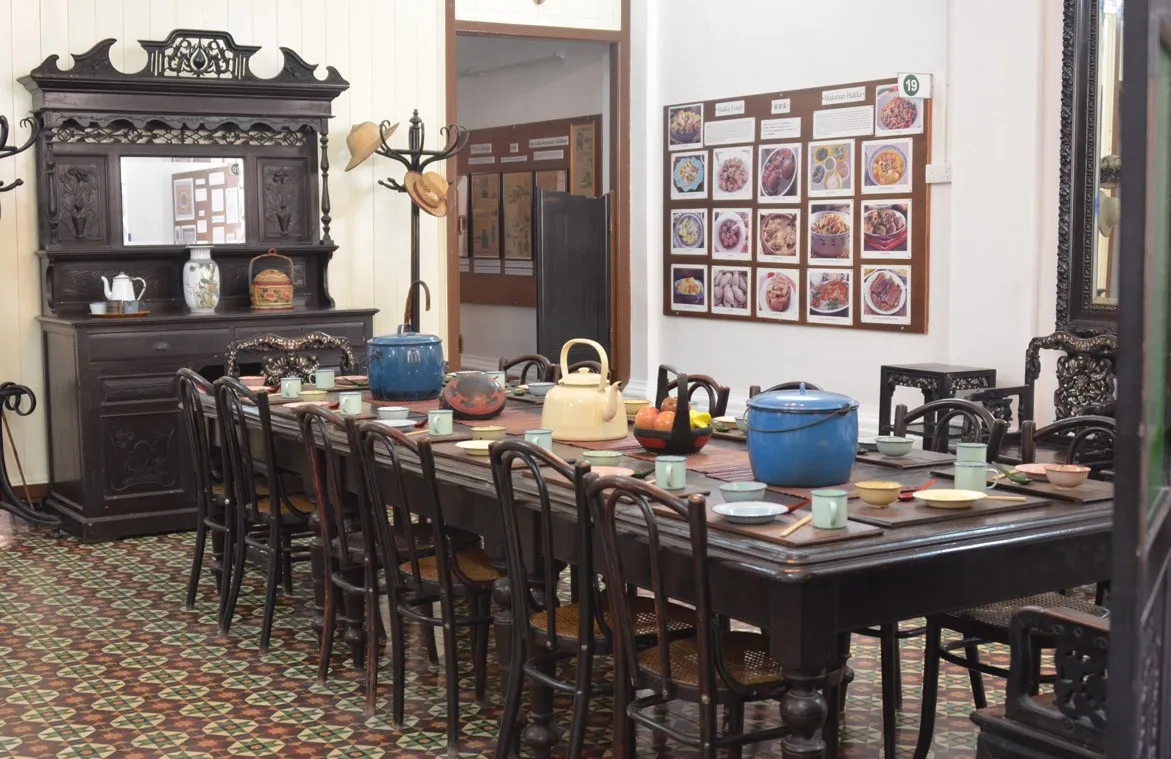
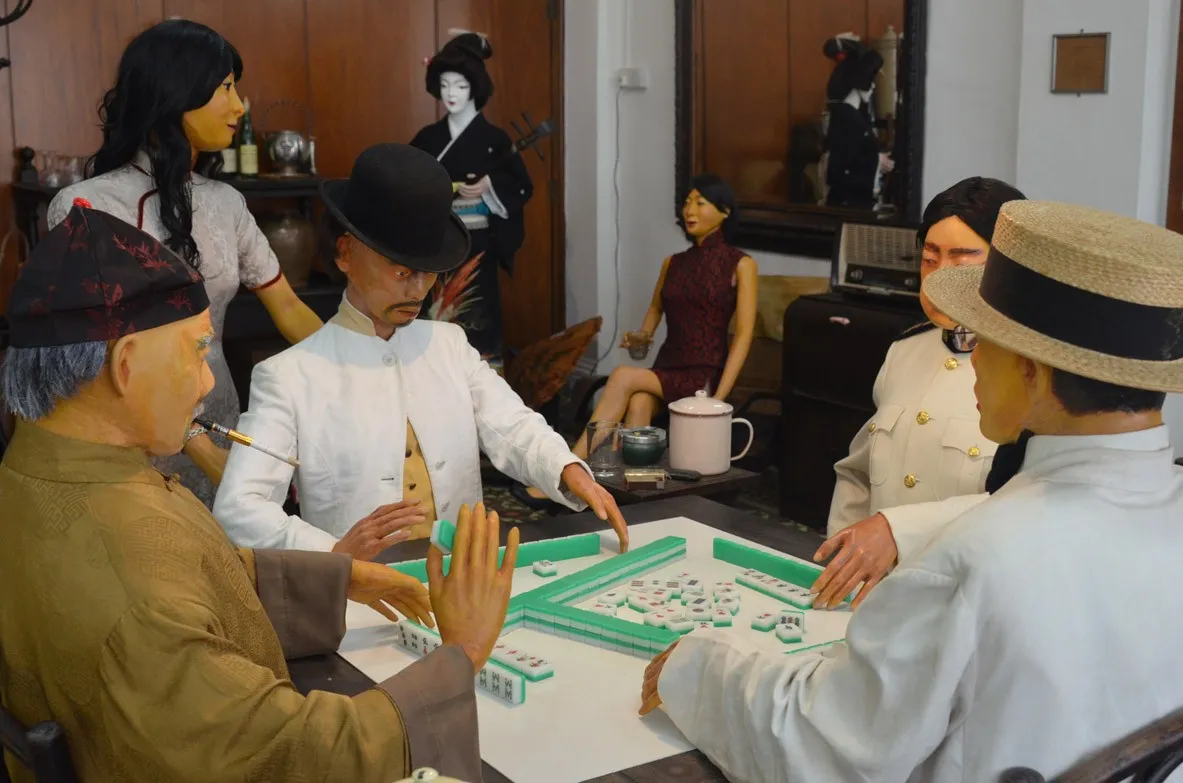
Questions
Can you visit Han Chin Pet Soo?
Yes, by appointment only. Visits are booked through IpohWorld's website. Bring your confirmation email, printed or on your phone, and book ahead because places are limited.
What was Han Chin Pet Soo?
A private club for Hakka tin miners, founded in 1893 by the tin miner Leong Fee. Members met friends, ate and played mahjong there. It became a museum in 2015.
Facts on this page come from Aevum's researched stories, which list their sources. Details can change, so check before you travel. Sources: Malay Mail (2015); Ipoh Echo (2015); Free Malaysia Today (2022); IpohWorld, photo archive and museum reservation page; Lianhe Zaobao (2023); Wikipedia, "Han Chin Pet Soo" (cross-check only); Ipoh City Council (MBI), "Info Ipoh"; N. R. Jackson, Journal of Southeast Asian History (1963); Ho Tak Ming, Ipoh: When Tin Was King (Perak Academy, 2009), Introduction; Corey Ross, Environmental History (2014); Phin-Keong Voon, Malaysian Journal of Chinese Studies (2024); Zakaria et al., Planning Malaysia (2022); Perak Land and Mines Office (PTG Perak), Taiping district history; China Press (2020); 访问 The Interview; Malaysiakini column by Pek Wee Chuan; Ipoh World; Malay Mail (2015, 2018); New Straits Times (2022); Ipoh Echo; Ministry of Water, Land and Natural Resources (2019); Lembah Kinta Geopark; Ahmad and Jones, Environment-Behaviour Proceedings Journal (2019); J. M. Pladdet, Wageningen University (2019).
Report an error · Something wrong, incomplete or culturally insensitive? Tell us and we aim to review it within 5 working days.
Also in this area
- Gastronomy Kong Heng
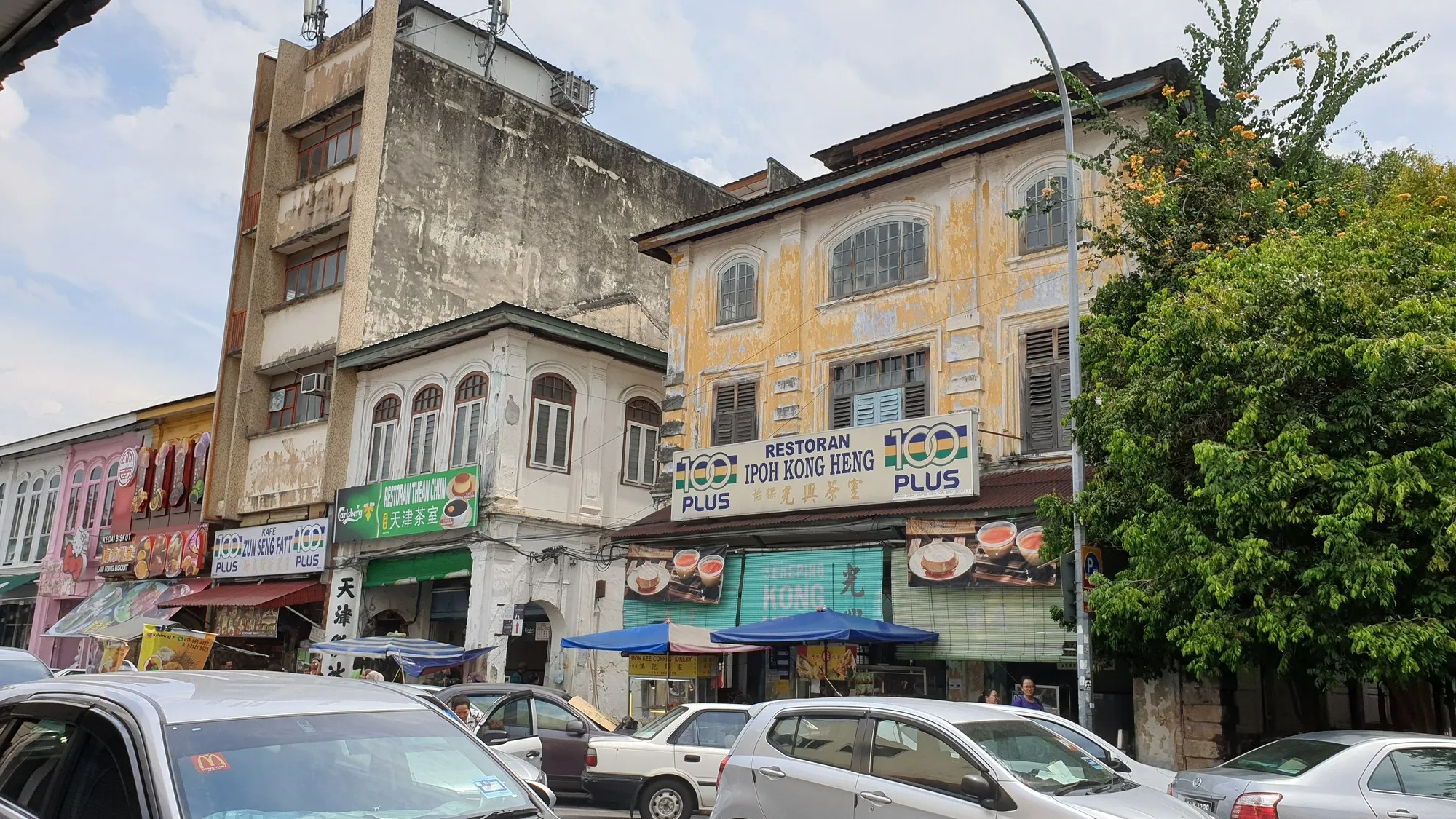
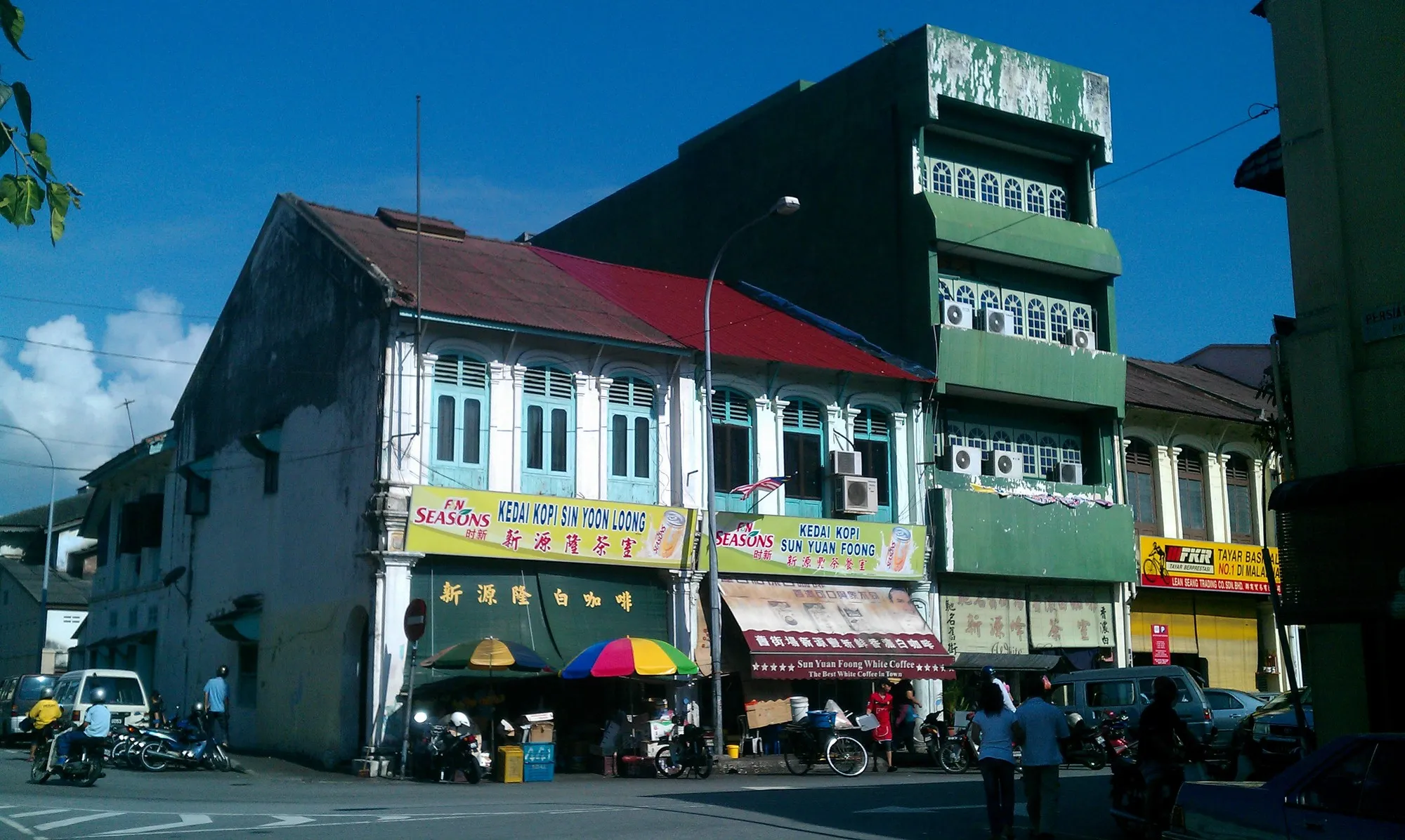
- Gastronomy Sin Yoon Loong
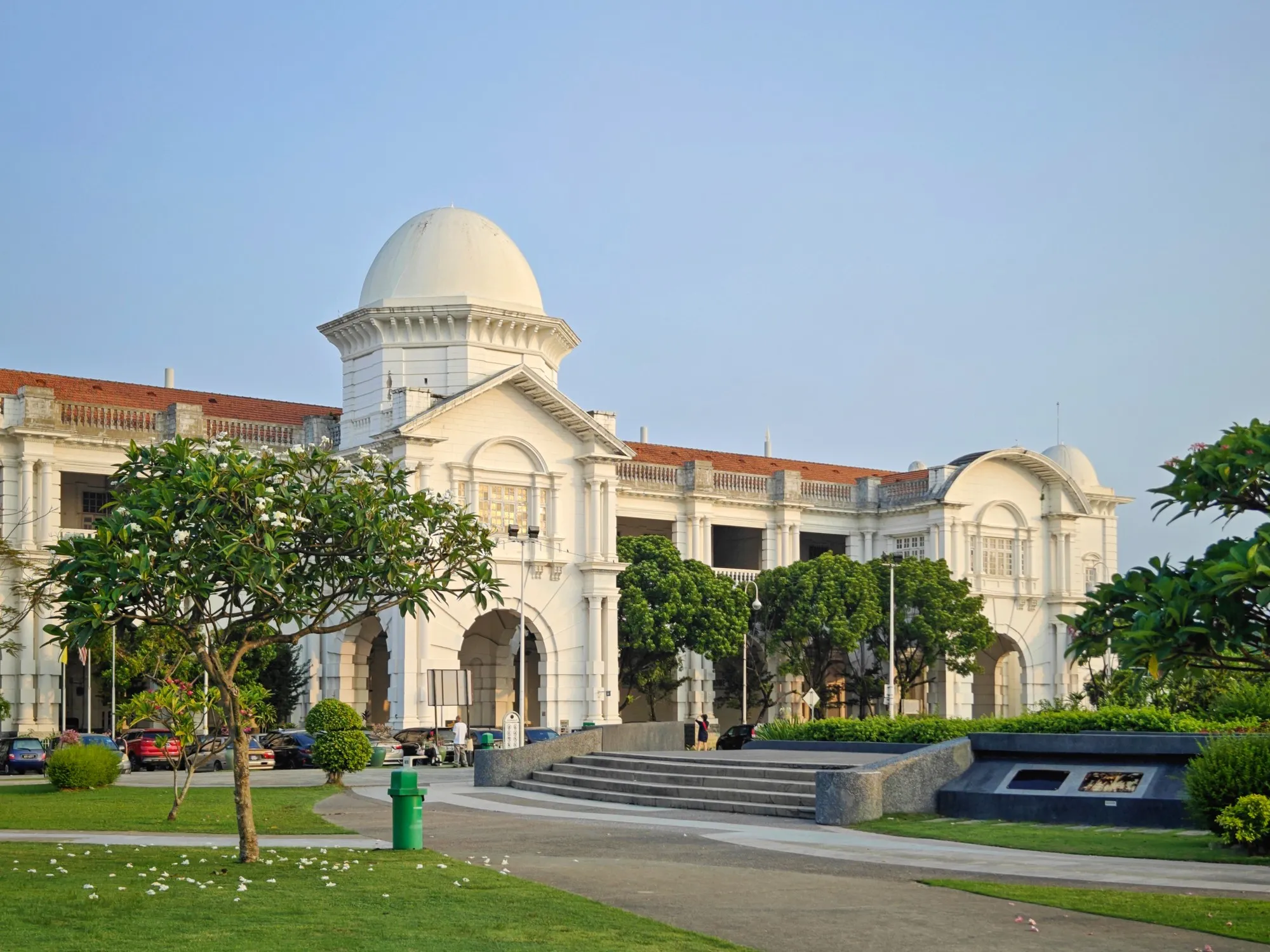
- Heritage & Roots Ipoh Railway Station
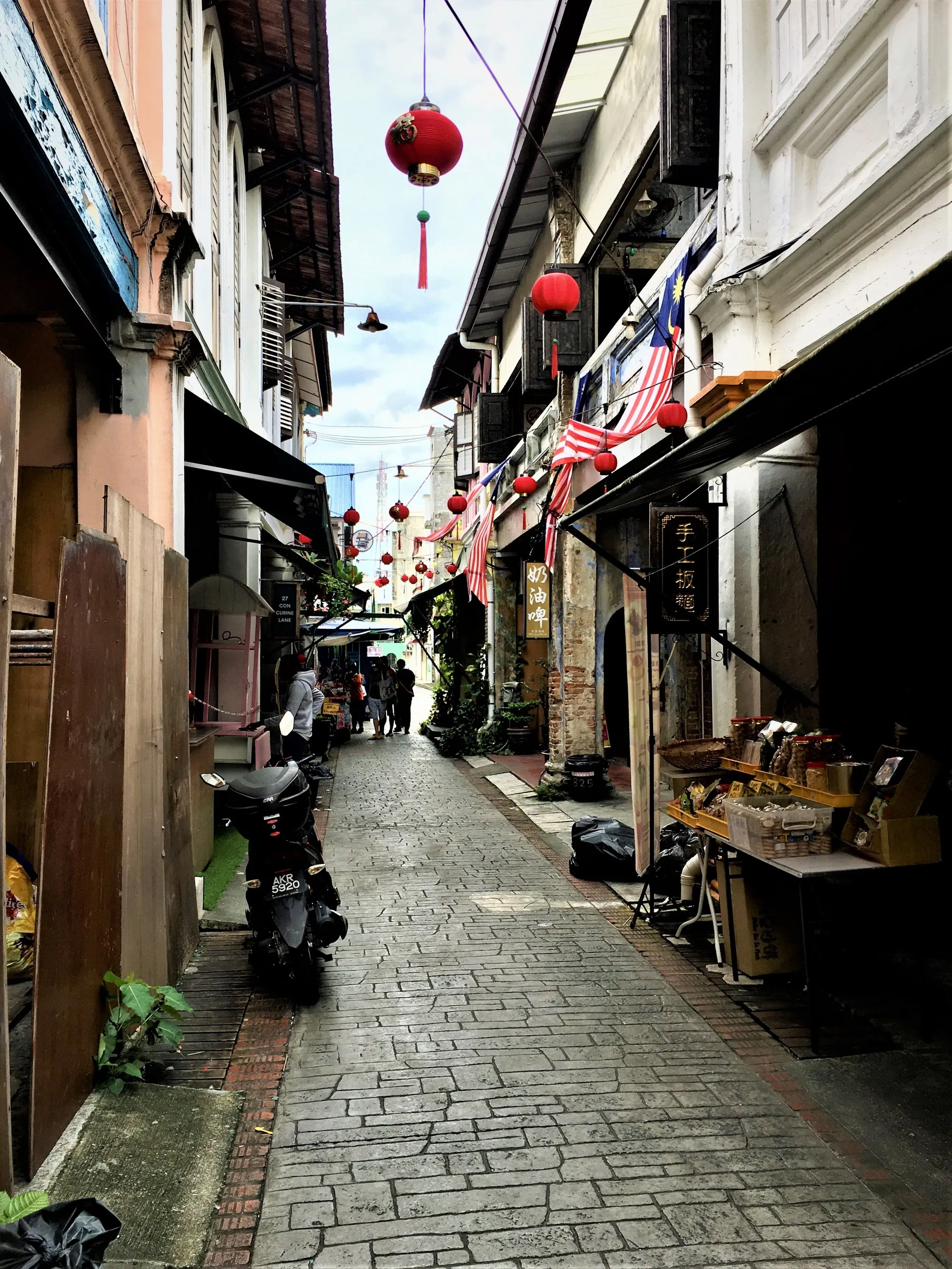
- Heritage & Roots Concubine Lane (Lorong Panglima)
- Gastronomy Nam Heong Nam Heong is an Ipoh Old Town coffee shop linked in travel writing to the start of white coffee, with egg tarts described as a signature.
- Arts & Creative Ipoh Mural Art Lane Ipoh Mural Art Lane is a back lane of murals started by local artist Eric Lai in 2013, launched as a community programme on Jalan Masjid in 2014.
Read the full story
Han Chin Pet Soo: The Story of Ipoh's Hakka Miners' Club
How Tin Made Ipoh: The Kinta Valley Story
More places in Ipoh
Landmarks and living heritage on the Aevum map of Ipoh.
- Gastronomy Kong Heng
- Gastronomy Sin Yoon Loong
- Heritage & Roots Ipoh Railway Station
- Heritage & Roots Concubine Lane (Lorong Panglima)
- Religious & Sacred Sam Poh Tong
- Gastronomy Funny Mountain (奇峰) Funny Mountain (奇峰) is a tau fu fa stall near Jalan Yau Tet Shin, Ipoh, said to have begun as a 1950s pushcart and now run by a third generation.
- Heritage & Roots Kellie's Castle
- Gastronomy Nam Heong Nam Heong is an Ipoh Old Town coffee shop linked in travel writing to the start of white coffee, with egg tarts described as a signature.
- Religious & Sacred Perak Tong
- Gastronomy Kampung Kacang Putih, Buntong
- Religious & Sacred Kek Lok Tong
- Arts & Creative Ipoh Mural Art Lane
- Religious & Sacred Panglima Kinta Mosque
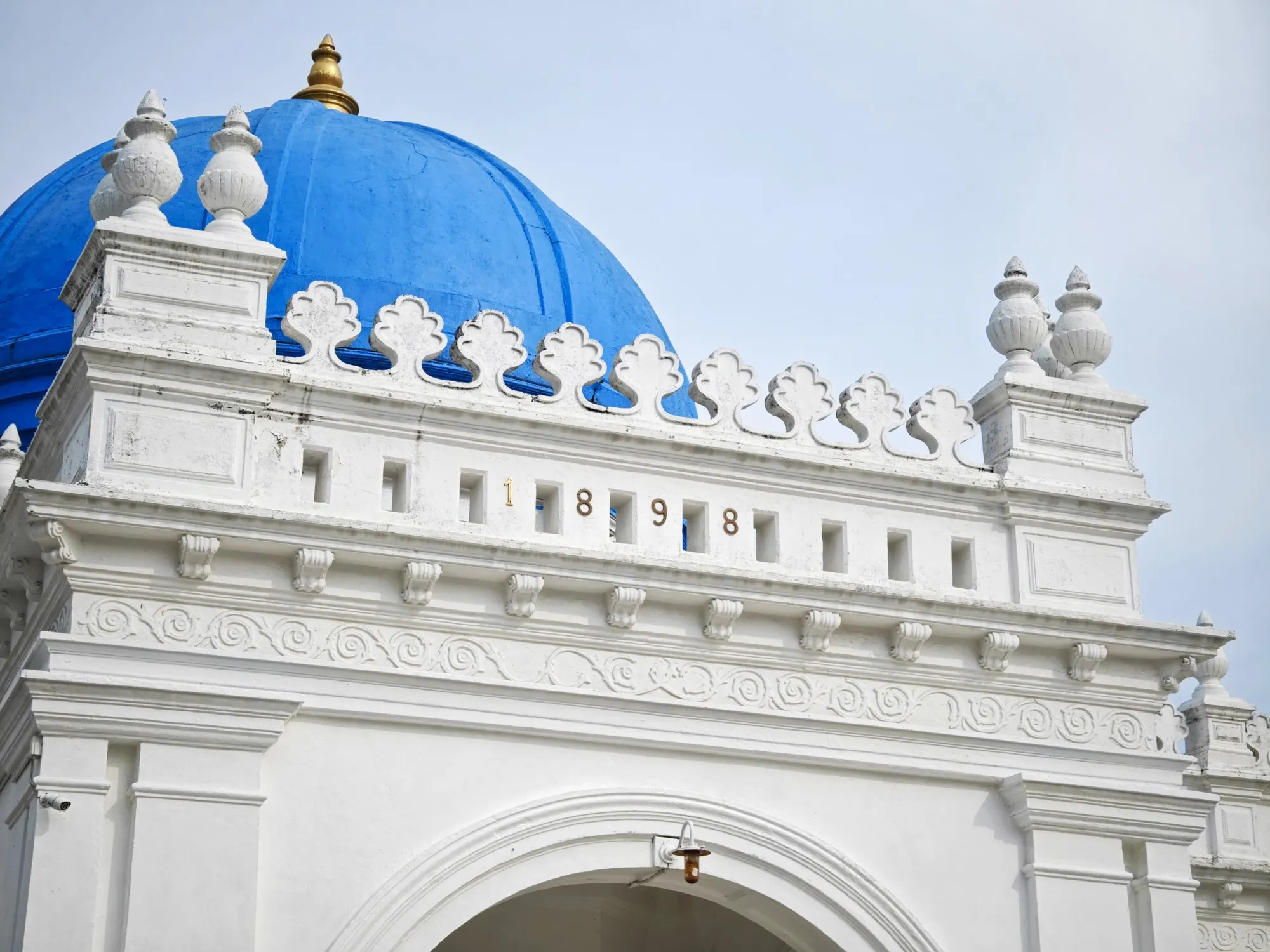
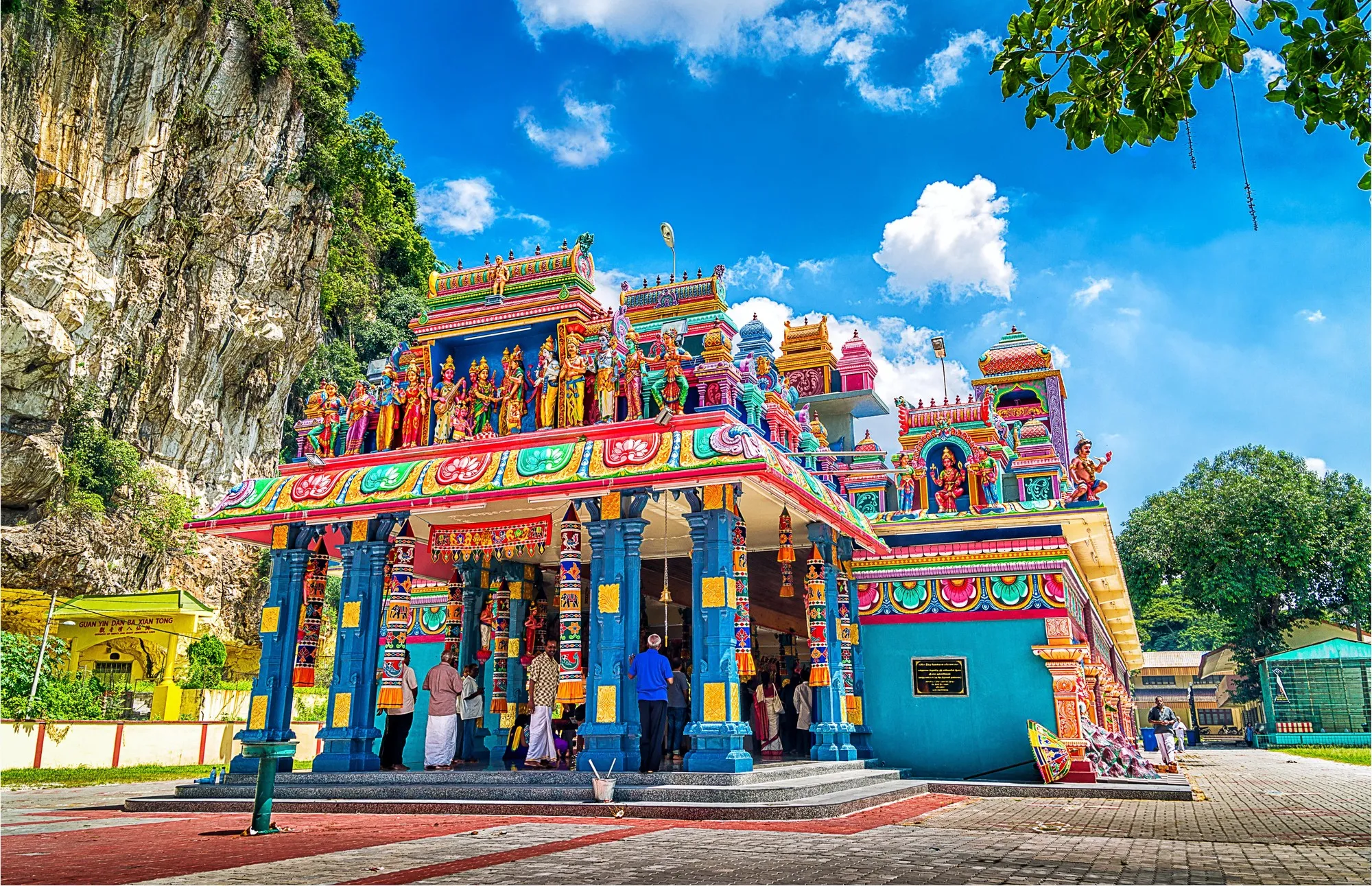
- Religious & Sacred Kallumalai Arulmigu Subramaniar Temple
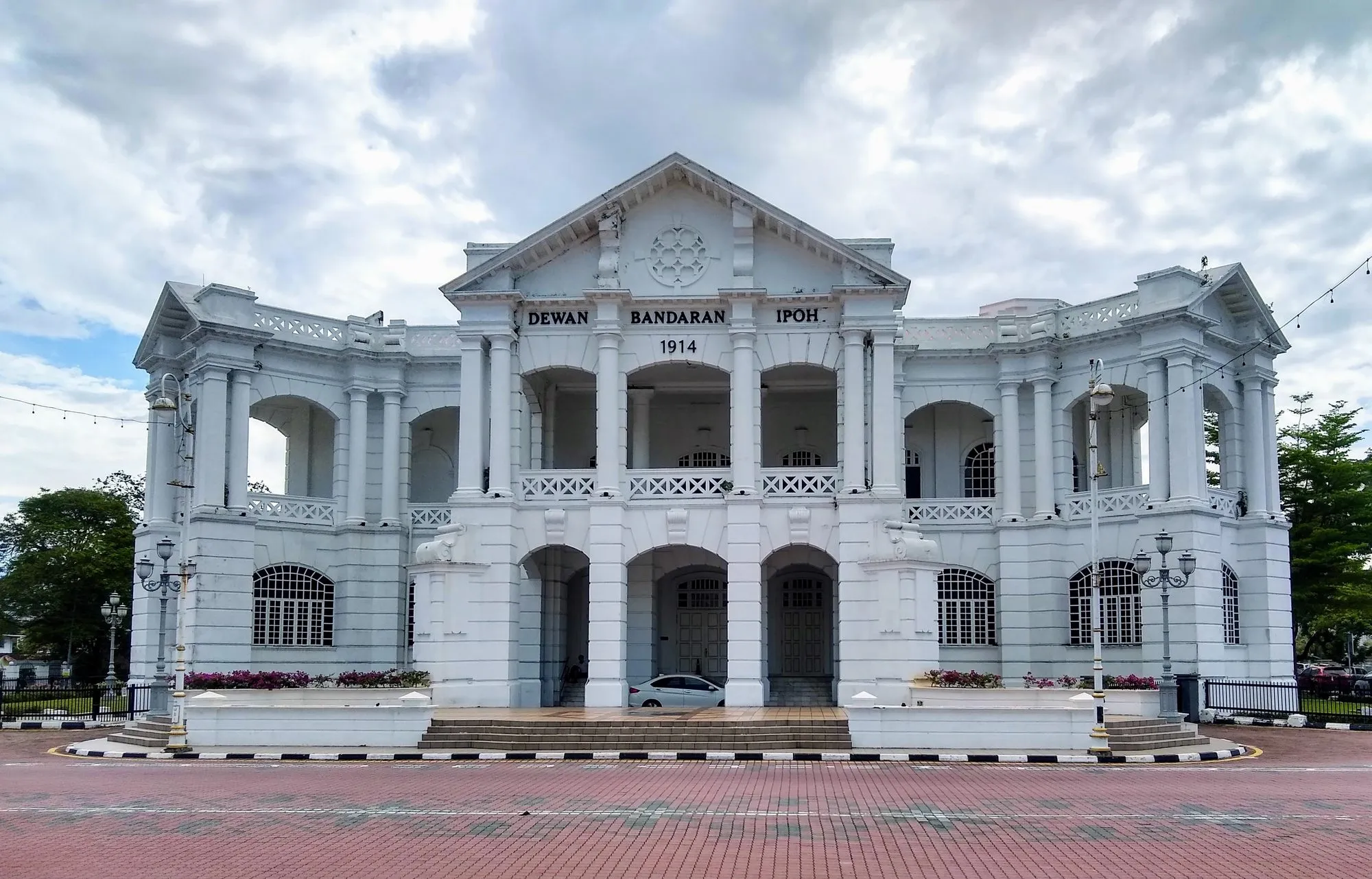
- Heritage & Roots Ipoh Town Hall
- Religious & Sacred Nam Thean Tong
- Religious & Sacred Kwong Fook Ngam
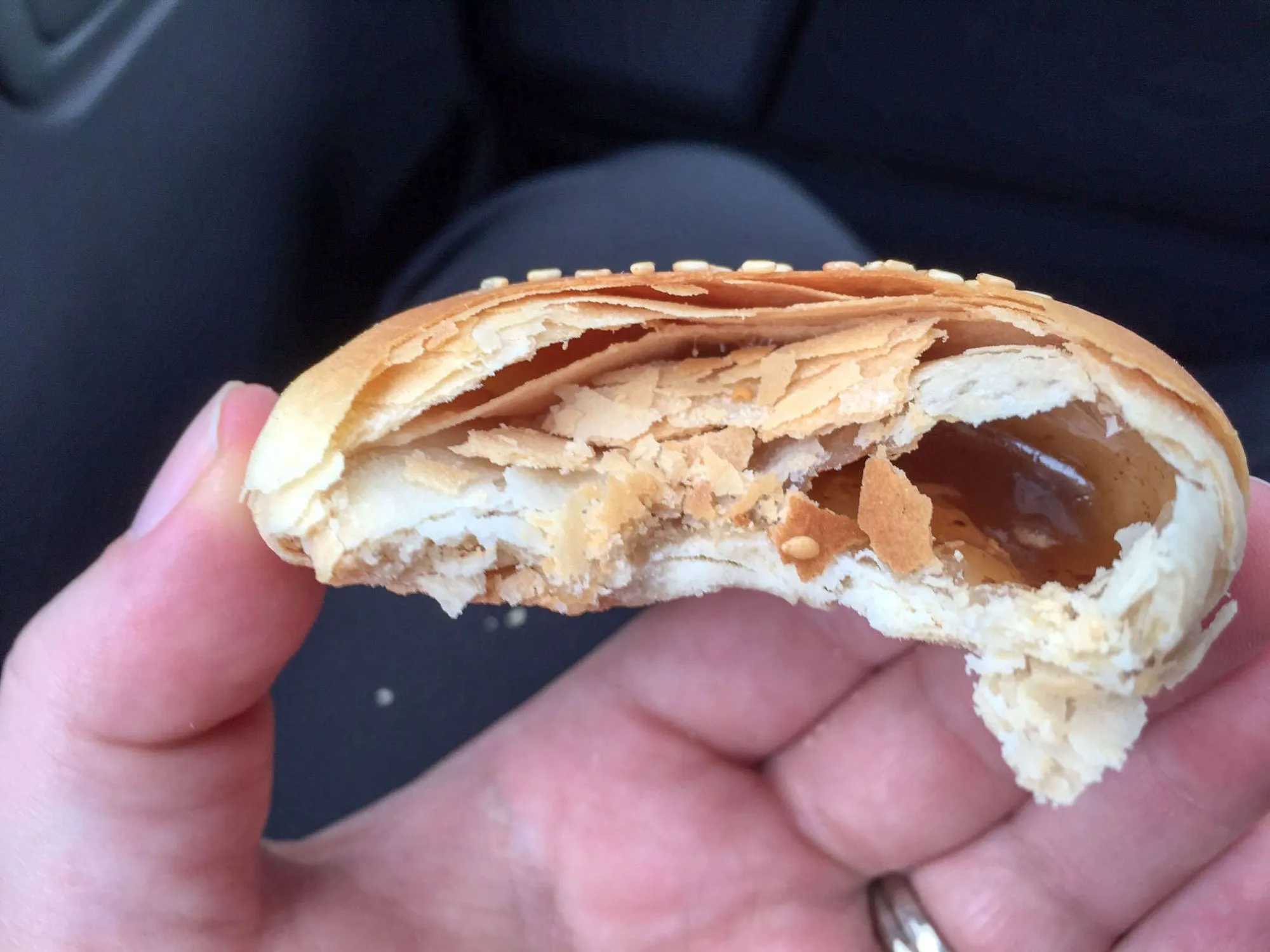
- Gastronomy Heong peng bakers, Gunung Rapat
Download the Aevum app to see all places
The full map of Ipoh, with the story behind every place, is in the app. The app is coming soon.
Download the Aevum app (coming soon)