Heritage & Roots · Explorers
What makes Ipoh's cultural scene worth knowing
By Aevum Editorial · Published · Updated
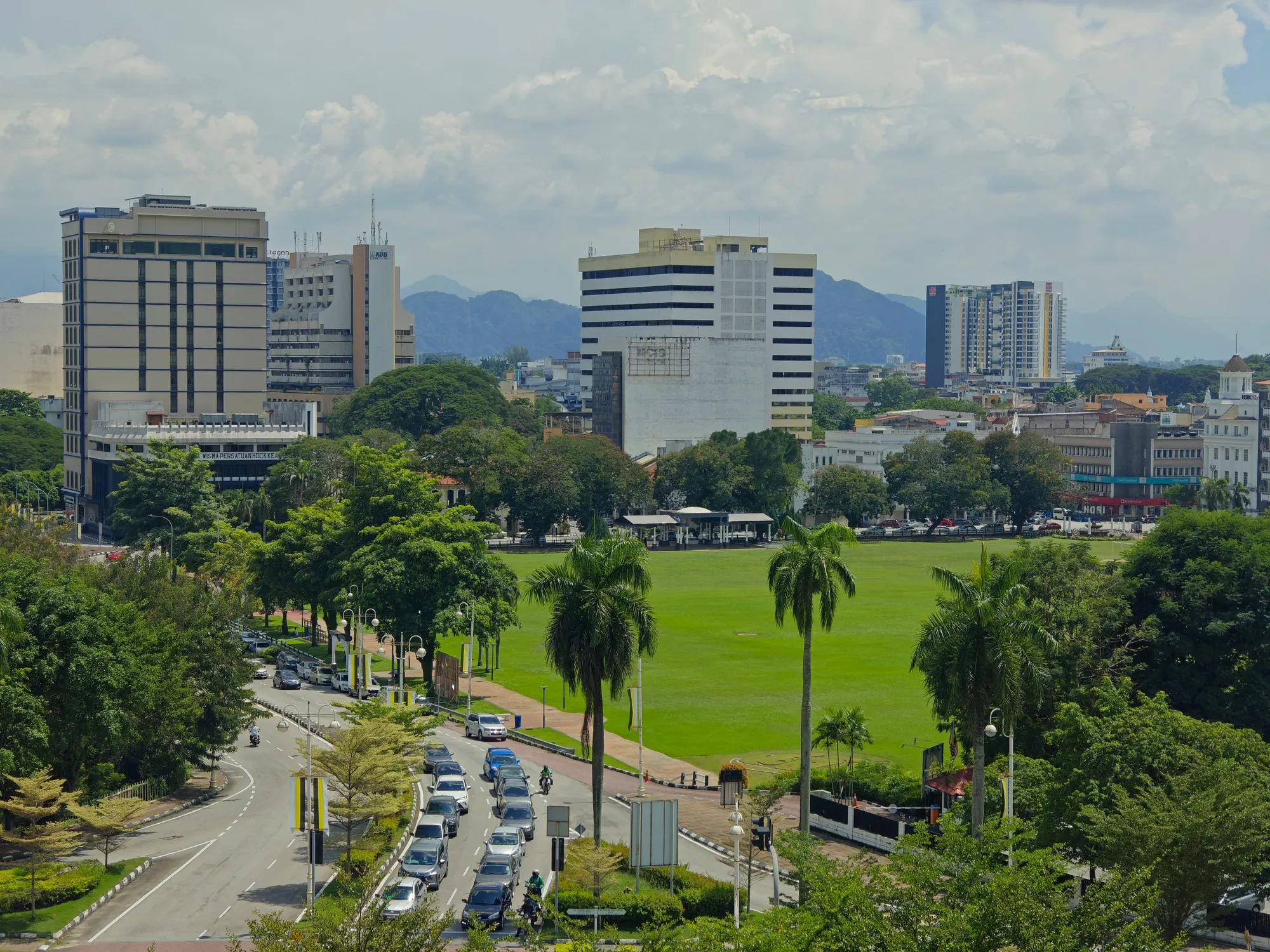
In short: Ipoh’s culture is a living record of the tin era. The mines drew Hakka, Cantonese, Indian and other migrants to a valley that Malay communities already called home, and each group left its mark on the city’s faith, food and buildings. Add the limestone hills, with dozens of cave temples, and a newer wave of murals and restored lanes, and you have a city whose culture is best understood through its stories.
What is Ipoh’s cultural scene like?
Layered rather than showy.
Most of it sits in everyday places: shophouses, coffee shops, mosques, clan houses and temples tucked into limestone cliffs. It’s worth knowing because these places still connect directly to the people who built the city, and many are still used by their communities.
Roots in the tin era
Ipoh grew on Kinta Valley tin from the 1880s, and by 1895 it was the largest town in Perak.
That wealth paid for the brick shophouses of Old Town, rebuilt after a fire in 1892, and for New Town across the Kinta River, developed between 1905 and 1914. Mining towkays founded clubs, schools and associations. Han Chin Pet Soo, a Hakka miners’ club founded by Leong Fee in 1893, now tells that story as a museum run by the heritage group Ipoh World. Our post on how tin made Ipoh covers this history in full.
Then there’s the railway station, designed by the government architect A. B. Hubback and often called the “Taj Mahal of Ipoh”. It opened around 1915–1917: 1917 is the usual date, but old newspaper reports suggest the station opened to the public in 1915 and its hotel in 1917.
Many communities, side by side
Ipoh’s Chinese heritage is easy to spot. Hakka and Cantonese migrants shaped the mines, the clan associations and much of the food. But the city didn’t start with them.
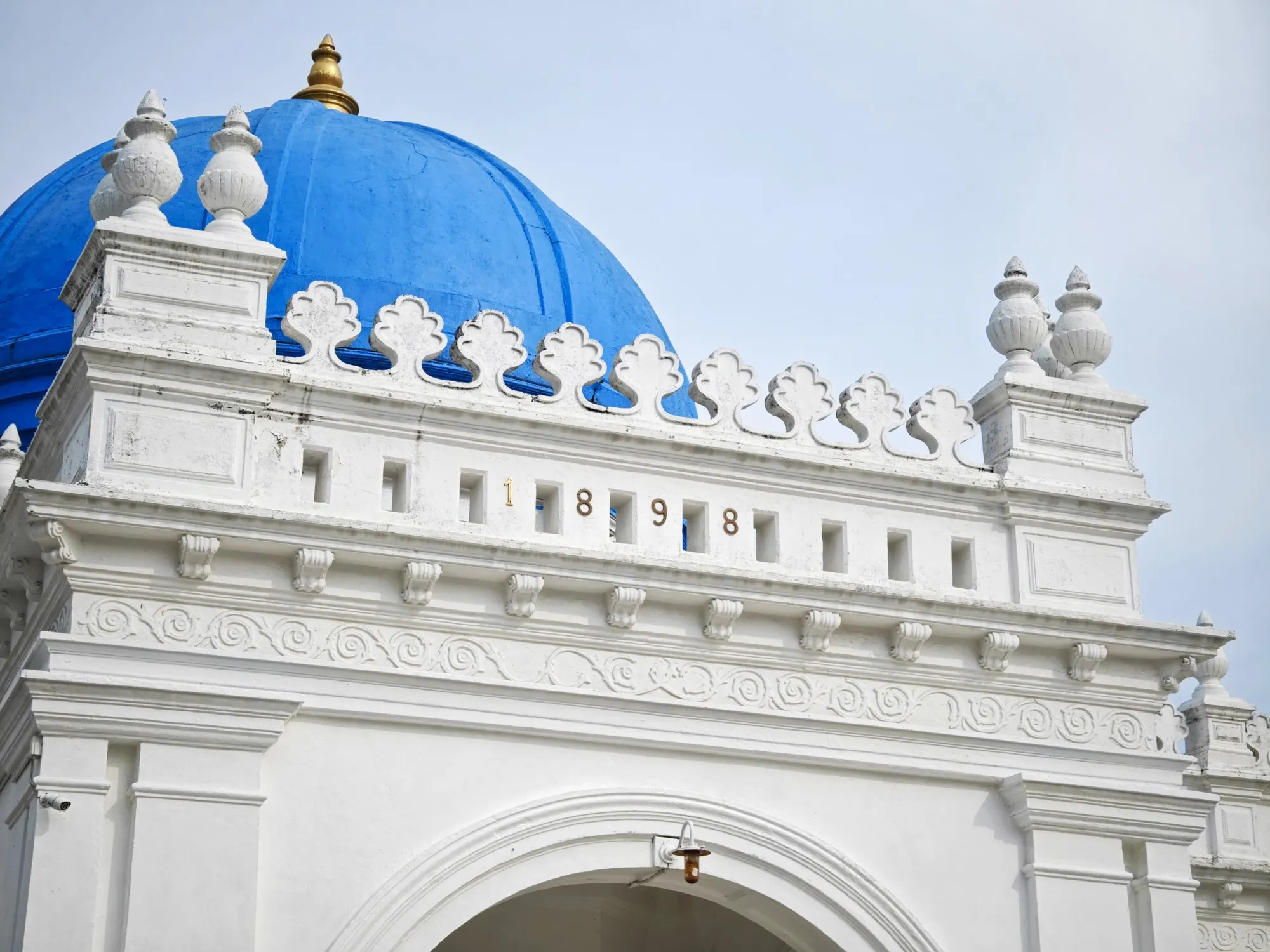
Malay heritage. Kampung Kuchai is described as a long-established Malay settlement, with mosques, the houses of Malay dignitaries and old schools, and researchers have suggested it could become a Malay heritage village. Nearby, beside the Kinta River, stands the Panglima Kinta Mosque. It was built in 1898 by Dato’ Panglima Kinta Muhamad Yusuff in memory of his wife, who died that year. It is listed as a gazetted Perak heritage building.
Indian heritage. Indian migrants are said to have come to work on rubber estates and as clerks, and Old Town has its own Little India. In Buntong, families of the Nadar community from Tamil Nadu make kacang putih, the Indian snacks sold across Malaysia. They settled here after a deadly rockfall at Gunung Cheroh in October 1973 forced them to move.
Faith in the limestone hills
Ipoh sits among limestone hills, part of the Kinta Valley National Geopark, and many of them hold places of worship.
Chinese cave temples. In 2018, university researchers launched a book on the city’s cave temples, produced with a Beijing publisher and the Perak state government’s non-Islamic affairs unit. How many temples are there? It depends who’s counting and what counts: estimates run from nearly thirty to 42, 49 and 50. For deeper study, the team chose seven, including Sam Poh Tong and the Perak Cave Temple (Perak Tong), because dated records or objects, some of them official gazette records, show they existed before the Second World War. Our post on five of Ipoh’s cave temples tells their stories.
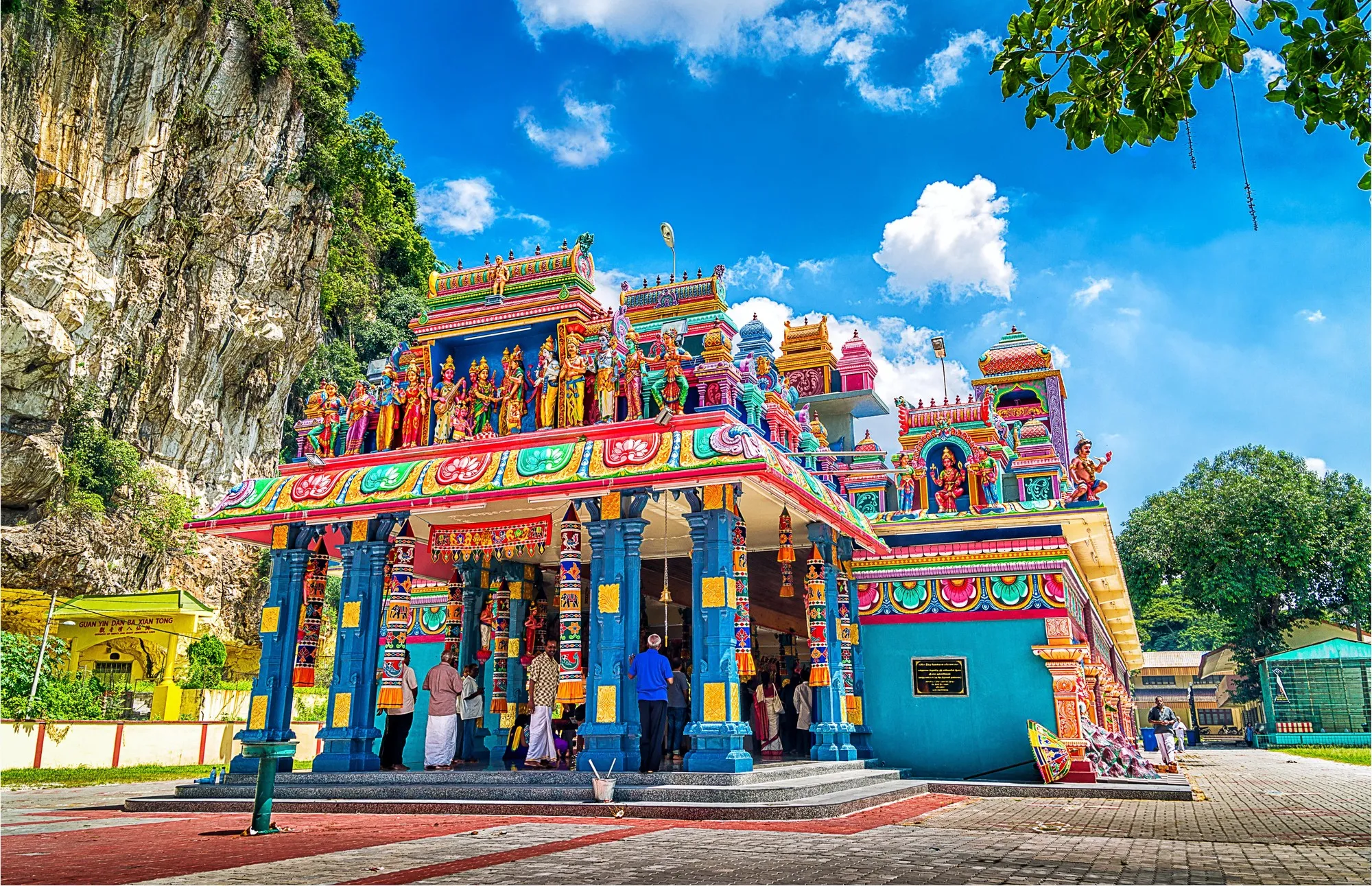
Kallumalai temple. At Gunung Cheroh, the Kallumalai Arulmigu Subramaniar Temple is the focus of Thaipusam in Ipoh. Celebrations run over three days. A chariot procession usually sets out from the Sri Maha Mariamman Temple in Buntong for the hill temple on the eve of Thaipusam. The temple’s own account says worship began in a cave in 1889, after a stone-breaker heard a voice calling from the hill. This origin story is held as tradition by the temple and its devotees.
Faith here is living practice. When you visit any place of worship, dress modestly and follow the guidance of its community.
Food as culture
For many people, Ipoh’s culture starts at the table. Its signature dishes reflect the communities that settled here: Cantonese and Hakka cooking, Hainanese coffee shops, Indian Muslim (mamak) stalls and Buntong’s snacks. We explain why Ipoh is so famous for food, and what Ipoh white coffee really is, in separate posts.
A newer, creative layer
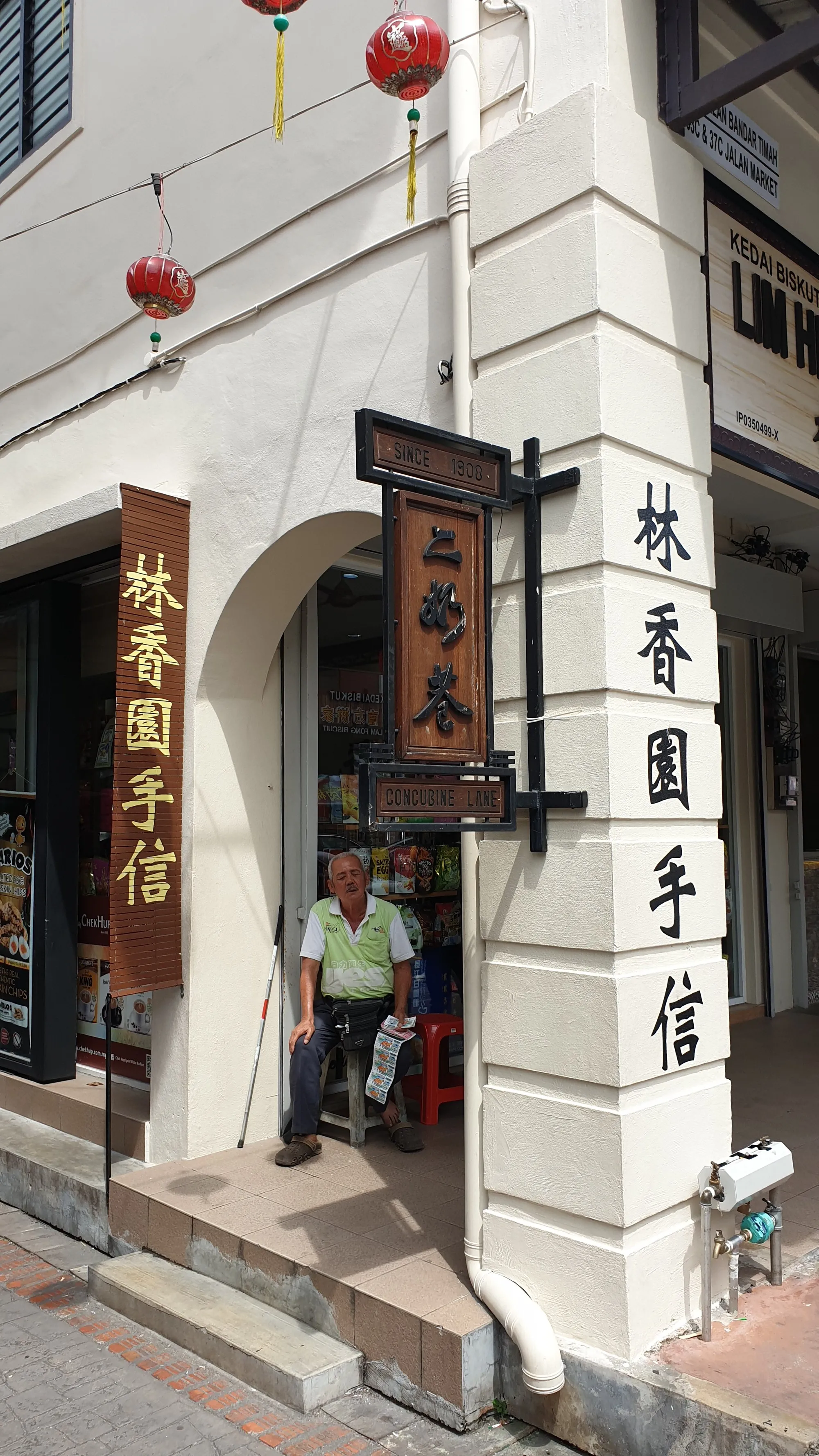
From the 2010s, Old Town found new audiences. In 2014, the artist Ernest Zacharevic painted seven murals for OldTown White Coffee’s Art of OLDTOWN project, which the company described as a tribute to Old Town’s coffee heritage. Restored lanes such as Concubine Lane, whose history we tell in a separate post, now house cafés and small shops.
Why it is worth knowing
Ipoh rewards curiosity. Its places are close together, but their meaning isn’t always obvious from the street. A shophouse, a mosque or a cave shrine each holds a story about who came, why, and what they built. That’s the side of Ipoh we want to help you discover.
What is still debated
- How many cave temples there are: nearly thirty, 42, 49 or 50, depending on who counts and what is counted.
- When the railway station opened: 1917 is usual; old newspaper reports suggest 1915.
Know a place in Ipoh with a story we should tell? Write to us at [email protected]. If you run a heritage venue, claiming a listing is coming soon: see aevum.my/businesses.
Report an error · Something wrong, incomplete or culturally insensitive? Tell us and we aim to review it within 5 working days.
Questions
What is Ipoh's cultural scene like?
Ipoh's culture is rooted in its tin-mining past. Malay, Chinese and Indian communities each left their mark, in mosques, clan houses, temples and food. Limestone hills around the city hold dozens of cave temples, Old Town's shophouses frame its coffee shops, and murals and restored lanes have added a newer, creative layer since the 2010s.
What are Ipoh's cave temples?
They are Chinese temples built into caves in the limestone hills around Ipoh, such as Sam Poh Tong and Perak Tong. Counts vary from nearly thirty to 50, depending on who counts. A university research team studied seven in depth, chosen because dated records, some of them official gazette entries, show they existed before the Second World War.
Who painted the murals in Ipoh Old Town?
Seven of them form Art of OLDTOWN, a set painted in 2014 by the Lithuanian artist Ernest Zacharevic for OldTown White Coffee. They include a girl, a trishaw, a paper plane and an old man with a coffee cup. Other murals in the city come from other artists and projects, which we cover separately.
Is Ipoh culture only Chinese?
No. Many of Ipoh's signature dishes and buildings have Chinese roots, but the city's Malay history runs from Kampung Kuchai and the 1898 Panglima Kinta Mosque, and its Indian heritage includes the Kallumalai temple at Gunung Cheroh, a centre of Thaipusam in Ipoh, and the kacang putih makers of Buntong.
Sources
Ipoh City Council (MBI), “Info Ipoh”; Ipoh World; Malay Mail (2014, 2015, 2018, 2023); Ipoh Echo (2014, 2023); Free Malaysia Today (2020); britishmalaya.home.blog (2019); Zakaria et al., Planning Malaysia (2022); SISMIM mosque registry (Jabatan Kemajuan Islam Malaysia); UiTM Perak symposium paper (2012); Bernama; J. M. Pladdet, Wageningen University (2019); Utusan Malaysia (2023); NUS Libraries (2022); Tourism Perak; Toh Teong Chuan, Malaysiakini column (2017); Tan Ai Boay, International Journal of Heritage, Art and Multimedia (2021); kaumaram.com (temple history); Marketing-Interactive (2014); New Straits Times (2022).