Gastronomy · Explorers
How to Find Halal Food in Malaysia
A practical guide to Malaysia's official halal definition and logo, and how visitors can verify certified food, including hotels and East Malaysia.
By Aevum Editorial, written by Joan V. · Published · Updated
In short: Malaysia has a formal legal system for describing food as halal. Since 1 January 2012, the Trade Descriptions (Definition of Halal) Order 2011 has set out what that description means, and the Trade Descriptions (Certification and Marking of Halal) Order 2011 has named the Department of Islamic Development Malaysia (JAKIM) and the Islamic Religious Council of each state as the only competent authorities to certify food, goods or related services as halal. Certified food and goods should carry the official Malaysia Halal logo. Visitors who need certified food should use that logo and the official directory, not shop decoration, Arabic script or a menu heading alone.
[Early CTA] Looking for heritage food shops in Ipoh, and the stories behind them? Find them in the Aevum app. Download the Aevum app (coming soon)
This is a practical guide to official certification in Malaysia. It is not a religious ruling, and it is not a list of recommended restaurants. Rules about what a Muslim may eat are a matter of faith; what this article can do, with official sources, is show how Malaysia regulates the word halal on food, goods and related services, and how a visitor can check a claim.
For a wider picture of Malay, Chinese, Indian and Bornean kitchens, including dishes that may contain pork, see Four Kitchens, One Country.
What the law requires
Two federal orders sit under the Trade Descriptions Act 2011. The Trade Descriptions (Definition of Halal) Order 2011, cited as P.U.(A) 430/2011, defines when food or goods may be described as halal. The Trade Descriptions (Certification and Marking of Halal) Order 2011, cited as P.U.(A) 431/2011, sets out who may certify that description, and how it must be marked. Both came into force on 1 January 2012. Official gazette texts of both orders, hosted by the Negeri Sembilan Islamic Religious Affairs Department, were read for this guide.
When food or goods are described as halal, or described in any other way that indicates they can be consumed or used by a Muslim, paragraph 3(1) of the Definition Order says that expression means the food or goods:
(a) do not consist of or contain any part or matter of an animal that Islamic law (Hukum Syarak) prohibits a Muslim from eating, or that has not been slaughtered in accordance with Hukum Syarak; (b) do not contain anything that is impure according to Hukum Syarak; (c) do not intoxicate according to Hukum Syarak; (d) do not contain any part of a human being, or its yield, that Hukum Syarak does not allow; (e) are not poisonous or hazardous to health; (f) have not been prepared, processed or manufactured using any instrument contaminated with impurity according to Hukum Syarak; and (g) have not, while being prepared, processed or stored, been in contact with, mixed with, or in close proximity to any food that fails (a) or (b).
Paragraph 3(2) adds that when services related to food or goods are described as halal, that means those services are carried out in accordance with Hukum Syarak. The official English text is in the same gazette.
Under paragraph 3 of P.U.(A) 431/2011, JAKIM and the Islamic Religious Councils of the states are the competent authorities to certify that food, goods, or services related to food or goods, are halal in accordance with the Definition Order.
Paragraph 4 of the certification Order then says that food and goods may not be described as halal, or described in any other way that indicates they may be eaten or used by Muslims, unless they have been certified by a competent authority and marked with the logo in the First Schedule. Services related to food or goods may not be described as halal unless they have been certified by a competent authority.
In short: in Malaysia, “halal” as a trade description is tied to official certification. A kitchen that has not been certified should not put that claim on a sign or a pack.
Who can certify, and what the logo means
Only JAKIM and the State Islamic Religious Councils (often abbreviated MAIN; some official material also refers to JAIN, the state Islamic religious departments that administer the scheme) may issue the official certification. Official frequently-asked-question material from a state Islamic department, restating the 2011 Order, notes that premises with a valid certificate use one consistent Malaysia Halal logo.
This article does not reproduce the official logo artwork, and it does not invent a visual checklist from an unverified diagram. Treat a mark you have not confirmed in the official directory with caution. If you need to study the logo’s official features, use the descriptions published on the Halal Malaysia Official Portal, not a social-media image.
Imported food and goods that are marketed as halal in Malaysia must also comply with the Order: they must meet paragraph 4, or be certified by a foreign halal certification body that JAKIM recognises. The Second Schedule of the 2011 Order listed recognised foreign bodies as they stood at the time. That list is updated by later amendments, so this guide does not reprint the 2011 names or quote a current headcount. Check the current official list on the Halal Malaysia Official Portal if you are relying on a foreign mark.
How to verify a premise or a product
The official route is straightforward:
- Look for the official Malaysia Halal logo on the premise, the menu, or the pack.
- Check the business or product in the official directory or “Check Halal Status” function on the Halal Malaysia Official Portal.
- A Malaysia.gov.my page on verifying halal status also points the public to this official source.
Use the live official portal. A faded sticker, a photo of a certificate, or a third-party blog list is not the same thing. Certificates also have a period of validity; official JAKIM material discusses validity periods, so a mark that was genuine in a previous year may need a fresh check.
What a logo is not
A visitor will see a lot of signals that look religious or “Muslim-friendly”: Arabic calligraphy, a mosque nearby, a Ramadan buffet, or a shop name that uses Islamic wording. Those may tell you something about a neighbourhood or a season. They are not, on their own, official certification.
The Definition Order also makes misleading representations an offence. Paragraph 4 says that includes using verses of the Quran, or any matter or object related to the religion of Islam, at the premises where the food is sold or on the container in which it is supplied, in a way that is likely to mislead or confuse someone into thinking the food is halal or can be consumed by a Muslim. If a person is charged under that paragraph, the burden of proving that the food meets the Definition Order lies on the person charged.
The 2011 certification Order is also clear in the opposite direction. Food and goods that are to be described as halal must be certified and marked. The absence of a logo does not automatically mean a dish is forbidden, but it does mean you do not have official certification to rely on. Some Muslim-owned or Malay kitchens operate without a certificate. If your own standard is “certified only”, use the directory. If your own standard is different, that is a personal religious decision this guide cannot make for you.
It also helps to know that some famous Malaysian dishes are not automatically halal. Official Tourism Malaysia material describes bak kut teh as pork ribs and meat in a herbal broth, and names chi kut teh as a chicken version. Char kuay teow and some Sarawak noodle dishes, including some plates of kolo mee, may be prepared with pork or lard. Ask, and verify. A wider kitchen-by-kitchen guide is in Four Kitchens, One Country.
Alcohol is widely available in many hotels, bars and some restaurants. Its presence in a venue is another reason not to assume that everything on the same street, or even the same menu, is certified.
East Malaysia: Sabah and Sarawak
The Definition Order applies throughout Malaysia. Its definition of Hukum Syarak expressly includes Islamic laws approved by the Yang di-Pertuan Agong to be in force in, among other places, Sabah and Sarawak, as well as the federal territories, Penang and Melaka, and Islamic laws approved by the Ruler of any state for that state. There is not a separate East Malaysian legal definition of halal in this Order.
Certification is still issued by JAKIM or by the Islamic Religious Council of the relevant state, including in Sabah and Sarawak. If you need certified food there, use the same official logo and the official directory for the specific premise.
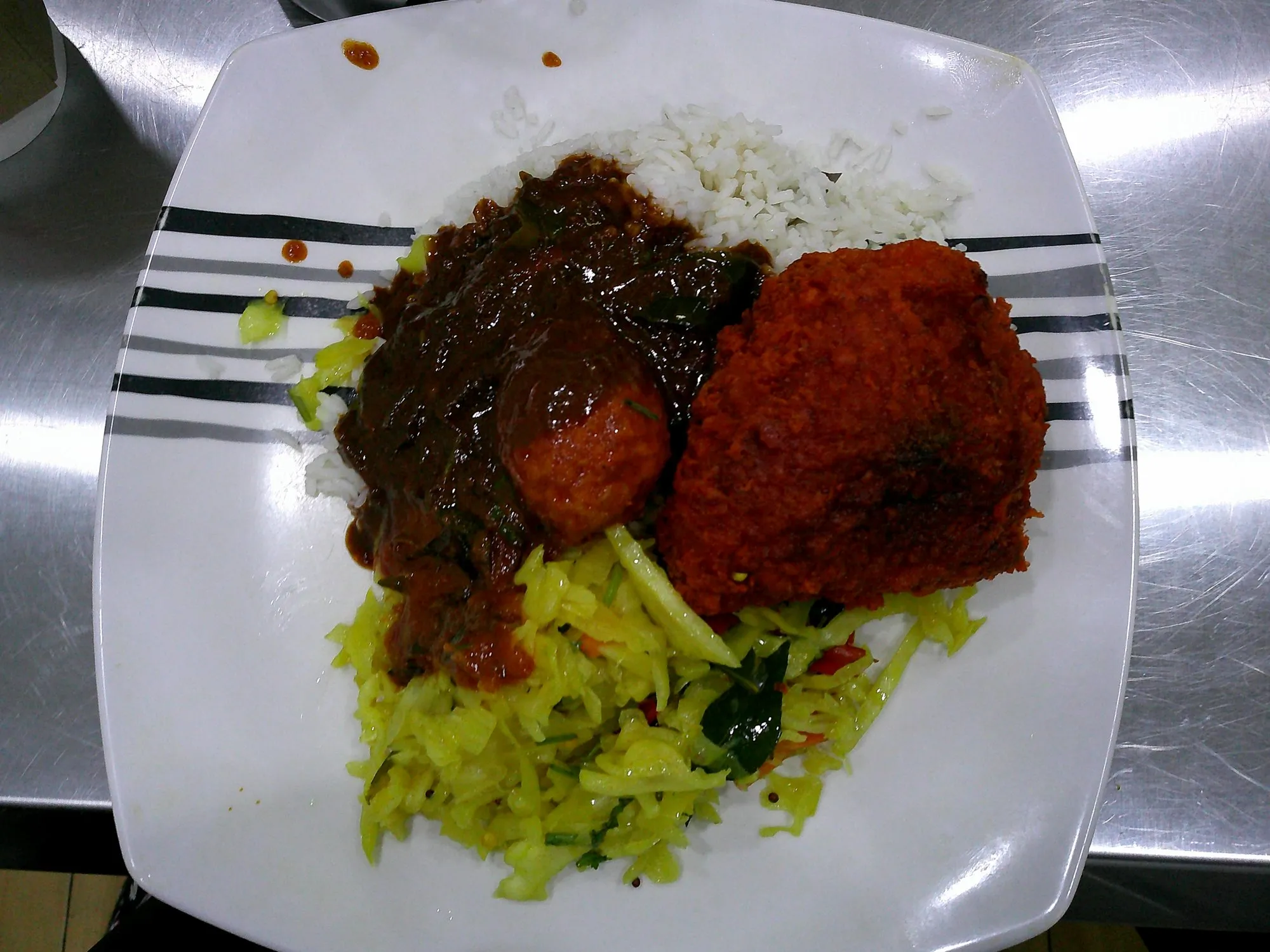
Some meals you will be offered in East Malaysia are not automatically certified. Official Tourism Malaysia material already notes that some Sarawak noodle dishes may include pork or lard. Official harvest-festival pages also mention rice wines at Kaamatan in Sabah, and rice wine (tuak) at Gawai Dayak gatherings in Sarawak. Visitors should not assume that a festival table, a longhouse meal, or an unlisted restaurant is certified.
Hotel kitchens
A hotel in Malaysia is not automatically certified as a whole. JAKIM’s Manual Prosedur Pensijilan Halal Malaysia (Domestik) 2020 treats hotel kitchens and restaurants as food premises, and counts hotel kitchens by whether a kitchen area has its own dedicated entry.
Under that official manual:
- A list of all kitchens and restaurants operating in the hotel must be submitted with an application, and certified kitchens must be clearly separated from kitchens that are not certified, with effective halal controls.
- Food and drink supplied to hotel guests and to people attending programmes at the hotel must come from a kitchen that holds a Malaysia Halal certificate (SPHM).
- Dishes from a certified kitchen must not be mixed with dishes from an uncertified kitchen.
- Food and drink supplied to a certified restaurant must come from a kitchen that holds the certificate, including an open kitchen.
The same manual lists hotels that have a kitchen preparing or serving pork-based menus as ineligible to apply. For a visitor, the practical test remains the official directory: look up the specific restaurant or kitchen, not only the hotel name.
Penalties, in brief
The two orders set out their own offences and penalties. They should not be mixed together.
Under paragraph 8 of the certification Order, P.U.(A) 431/2011, a body corporate convicted of certifying or supplying food, goods or related services as halal in breach of that Order may be fined up to RM200,000, or up to RM500,000 for a second or subsequent offence. A person who is not a body corporate may be fined up to RM100,000 or imprisoned for up to three years, or both; for a second or subsequent offence the maxima are RM250,000 or five years, or both.
Under paragraph 5 of the Definition Order, P.U.(A) 430/2011, offences under that Order carry higher maxima: a body corporate may be fined up to RM5 million, or up to RM10 million for a second or subsequent offence; a person who is not a body corporate may be fined up to RM1 million or imprisoned for up to three years, or both, and for a second or subsequent offence up to RM5 million or five years, or both.
Other penalties can also apply under the wider Trade Descriptions Act 2011 for misleading descriptions. This is a statement of what the two orders say, not legal advice.
Practical habits for a visit
- Start with the official logo and the official directory, especially for packaged food and for restaurants where you need certified premises.
- In a hotel, check the specific restaurant or kitchen in the directory; do not assume the whole hotel is certified.
- In Sabah and Sarawak, use the same official directory, and do not assume that a festival table or longhouse meal is certified.
- Ask, calmly and clearly, if you are unsure about an ingredient, including lard, pork, alcohol or the type of meat in a soup or a noodle sauce.
- Do not treat a “Muslim-friendly”, “no pork no lard”, or Ramadan menu as a JAKIM certificate unless the official mark is present and can be checked.
- Vegetarian or vegan food is not automatically halal. Shared utensils, cooking fats and hidden ingredients can all matter, depending on your own standard.
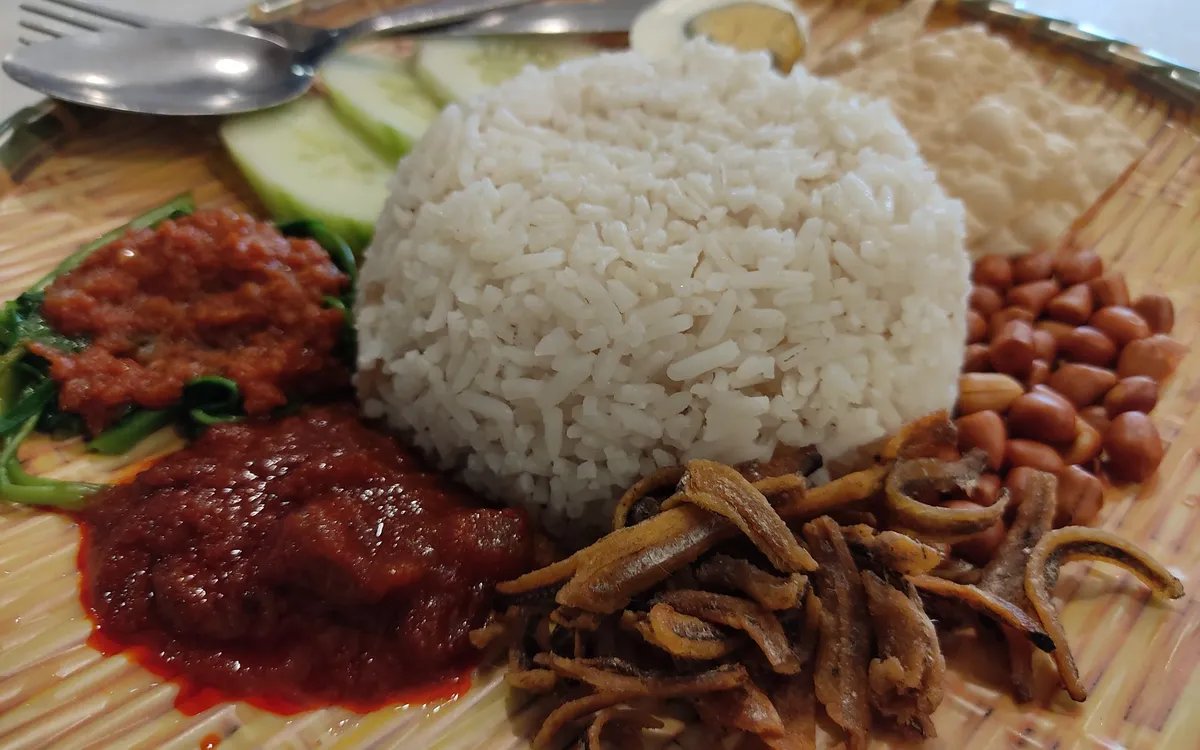
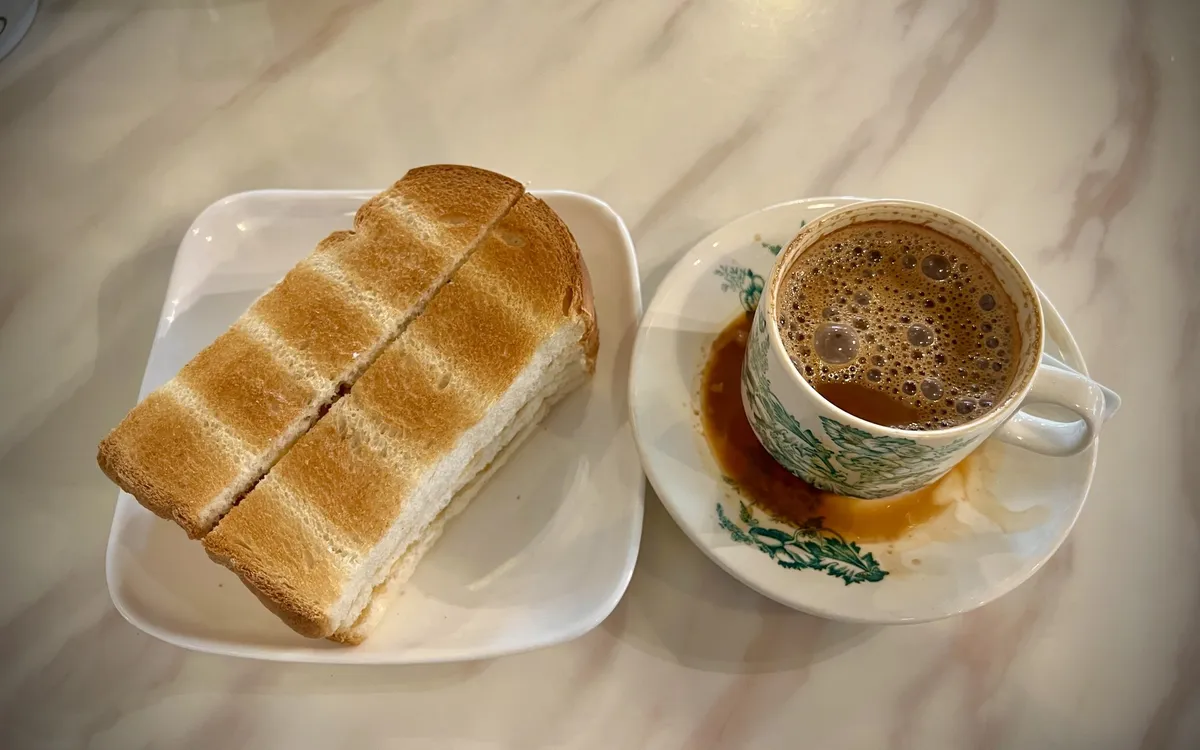
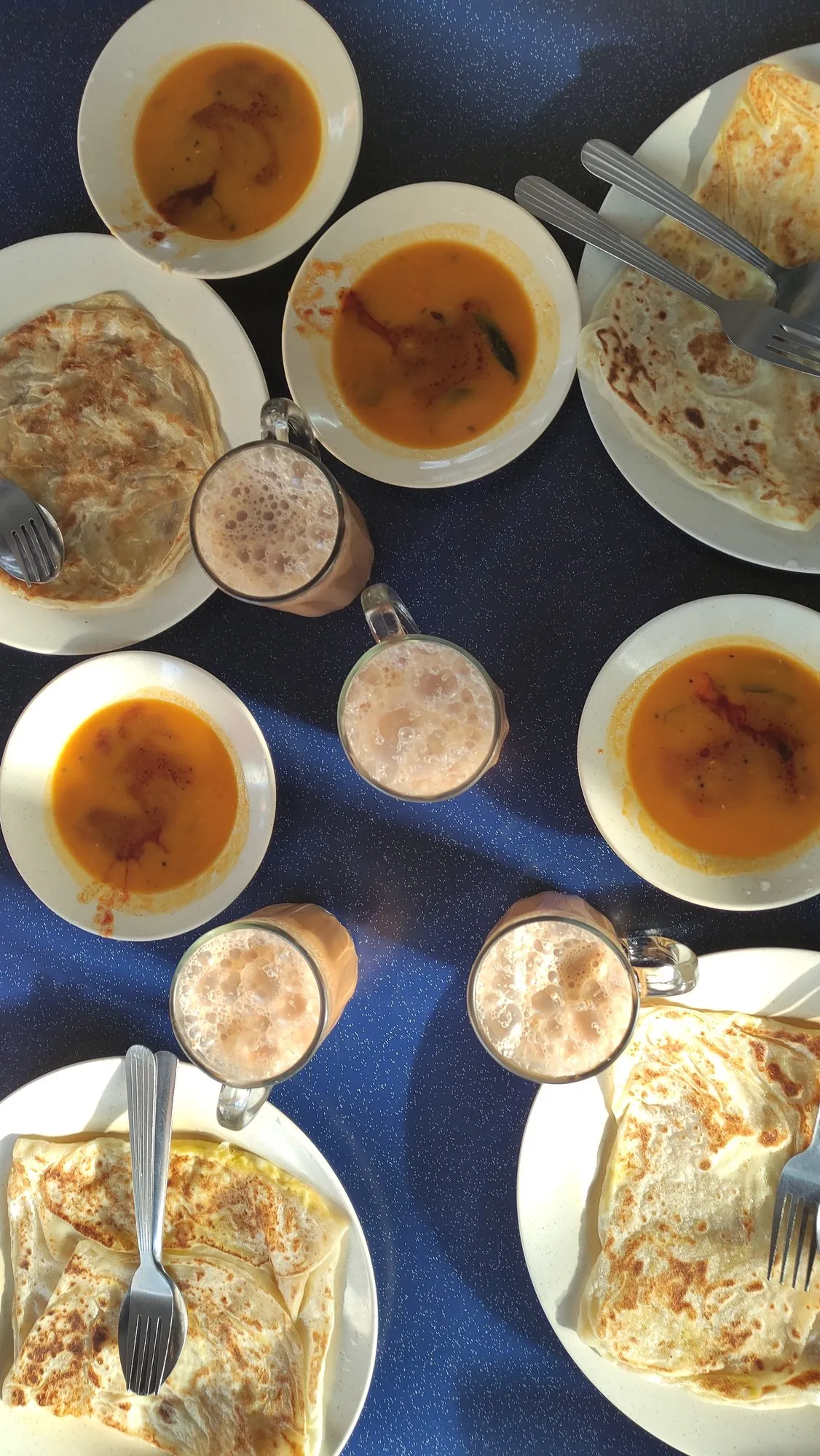
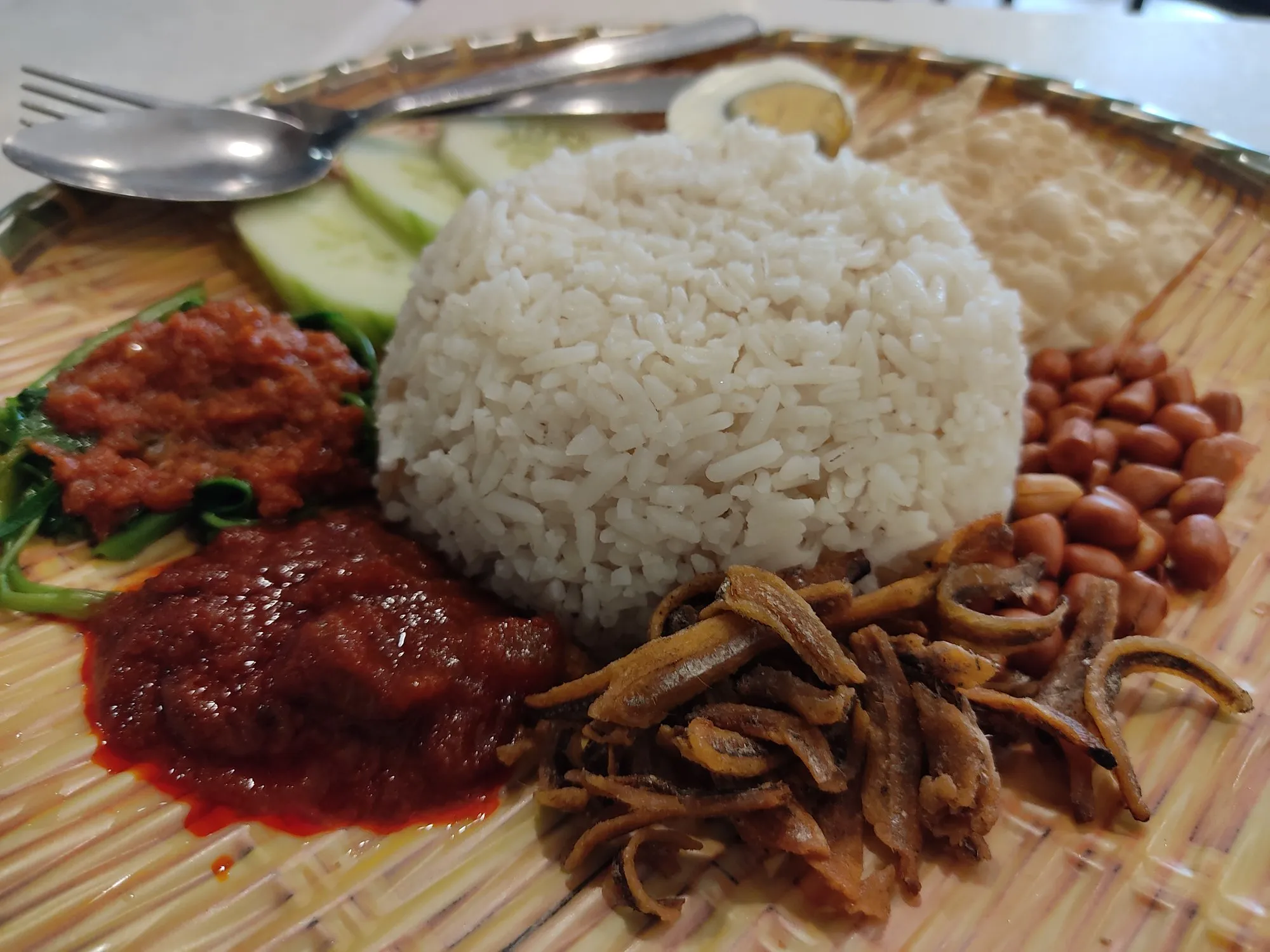
- Breakfast staples such as nasi lemak, roti canai and teh tarik are widely available and are named in UNESCO’s 2024 inscription of Malaysia’s breakfast culture, but popularity is not certification. For kopitiam drink terms, see the Kopitiam Coffee Cheat Sheet.
[End CTA] Find Ipoh heritage food shops, and the stories behind them, in the Aevum app. The app is coming soon in Ipoh and is not a nationwide halal directory. Download the Aevum app (coming soon)
Report an error · Something wrong, incomplete or culturally insensitive? Tell us and we aim to review it within 5 working days.
Questions
How can I tell if food in Malaysia is officially certified halal?
Look for the official Malaysia Halal logo, then confirm the business or product in the official directory on the Halal Malaysia Official Portal. The 2011 Certification and Marking of Halal Order allows only JAKIM and the State Islamic Religious Councils to certify food, goods or related services as halal. Decoration or religious wording is not a substitute.
Who is allowed to issue a halal certificate in Malaysia?
The Trade Descriptions (Certification and Marking of Halal) Order 2011 names two competent authorities: the Department of Islamic Development Malaysia (JAKIM), and the Islamic Religious Council of each state, often referred to as MAIN or, in some official material, JAIN for the state departments that administer the scheme. Other private logos are not a substitute for this official certification.
Does the absence of a halal logo mean the food is not permissible?
Not automatically. The 2011 Order restricts who may describe food as halal and requires certified food and goods to carry the official logo. A premise without a certificate should not claim to be halal. Some kitchens may still serve food a diner considers permissible, but that is not official certification. If you need certified food, use the logo and directory.
Where do I check a restaurant or product in the official directory?
Official government guidance points visitors to the Halal Malaysia Official Portal at halal.gov.my, which includes a Check Halal Status or directory function for certified products, food premises and services. A Malaysia.gov.my verification page also links there. Use the current official portal, not a screenshot, a sticker alone, or a third-party list.
Are well-known Malaysian dishes such as bak kut teh or char kuay teow always halal?
No. Official Tourism Malaysia material describes bak kut teh as a pork-rib herbal soup, and names chi kut teh as a chicken version. Char kuay teow and some Sarawak noodle dishes may include pork or lard. Many Malay and mamak dishes are prepared for Muslim diners, but official confirmation of certification is still the Malaysia Halal logo and directory.
Is a hotel restaurant in Malaysia automatically certified halal?
No. Official JAKIM procedures certify hotel kitchens and restaurants as food premises, kitchen by kitchen, not the hotel as a whole. Certified kitchens must be clearly separated from uncertified ones, and guest and event food must come from a certified kitchen. Hotels with a pork-based kitchen are not eligible. Check the official directory for the specific restaurant or kitchen.
Sources
All accessed 12 November 2026.
- Trade Descriptions (Definition of Halal) Order 2011, P.U.(A) 430/2011, in force 1 January 2012 (definition conditions in paragraph 3(1)(a)–(g); services in paragraph 3(2); Hukum Syarak, including Sabah and Sarawak; misleading representations; penalties). Official gazette text hosted by the Negeri Sembilan Islamic Religious Affairs Department: https://jheains.ns.gov.my/images/download/Perintah-Perihal-Dagangan—Takrif-Halal—2011.pdf
- Trade Descriptions (Certification and Marking of Halal) Order 2011, P.U.(A) 431/2011, in force 1 January 2012 (competent authorities; certification and marking; imports; offences and penalties). Official gazette text hosted by the Negeri Sembilan Islamic Religious Affairs Department: https://jheains.ns.gov.my/images/download/Perintah-Perihal-Dagangan—Perakuan—Penandaan-Halal-2011.pdf
- Department of Islamic Development Malaysia (JAKIM), Manual Prosedur Pensijilan Halal Malaysia (Domestik) 2020 (hotel kitchens counted by dedicated entry; separation of certified and uncertified kitchens; guest and event food from a certified kitchen; ineligibility of hotels with a pork-based kitchen): https://www.halal.gov.my/pdf/panduan/MPPHMDomestik2020.pdf
- Official Malaysia Government portal, “Verify Halal Status” (points the public to the official Halal Malaysia portal and directory): https://www.malaysia.gov.my/portal/content/30487
- Halal Malaysia Official Portal (JAKIM): https://www.halal.gov.my/
- Jabatan Hal Ehwal Agama Islam Negeri Sembilan, frequently asked questions (from 2011, only JAKIM and MAIN/JAIN may issue the certificate; premises with a valid certificate use one consistent Malaysia Halal logo): https://jheains.ns.gov.my/index.php/bantuan/soalan-lazim
- Tourism Malaysia / official Kuala Lumpur visitor guide, “A Taste of Malaysia” (bak kut teh as pork ribs in herbal broth; chi kut teh as a chicken version; char kuay teow): https://ebrochures.malaysia.travel/en/kuala-lumpur/24-28-kl-eat/
- Sabah Tourism Board, “Kaamatan, A Celebration of Culture” (traditional foods and rice wines at the harvest festival; last reviewed 25 April 2024): https://sabahtourism.com/article/kaamatan-a-celebration-of-culture/
- Regional Corridor Development Authority of Sarawak (RECODA), “Gawai Dayak Festival: Preserving and Nurturing Sarawak’s Cultures in SCORE” (open houses and rice wine, tuak): https://recoda.gov.my/gawai-dayak-festival-preserving-and-nurturing-sarawaks-cultures-in-score/
- UNESCO Intangible Cultural Heritage, “Breakfast culture in Malaysia: dining experience in a multi-ethnic society”, inscribed 2024: https://ich.unesco.org/en/RL/breakfast-culture-in-malaysia-dining-experience-in-a-multi-ethnic-society-02113
Related reading: Four Kitchens, One Country: A Malaysia Food Guide, Kopitiam Coffee Cheat Sheet.