Gastronomy · Explorers
Four Kitchens, One Country: A Malaysia Food Guide
A practical guide to Malaysia's Malay, Chinese, Indian and Bornean kitchens, from nasi lemak and char kuay teow to hinava, drawn from official sources.
By Aevum Editorial, written by Joan V. · Published · Updated
In short: Malaysia’s food is often understood through four kitchens that sit side by side: Malay, Chinese, Indian, and the indigenous kitchens of Sabah and Sarawak. Official tourism materials describe these traditions, and the blended styles that have grown between them, including Nyonya cooking and Indian Muslim, or mamak, food. This guide explains what those kitchens are known for, using dishes that official sources actually describe. It is not a restaurant ranking, and it does not invent origin stories.
[Early CTA] Looking for heritage food shops in Ipoh, and the stories behind them? Find them in the Aevum app. Download the Aevum app (coming soon)
Malaysia is a compact country with more than one culinary tradition. Tourism Malaysia describes a population of Malay, Indian, Chinese, Nyonya, Eurasian and indigenous communities of Sabah and Sarawak, and presents the country’s food as a shared table rather than a single national recipe. The “four kitchens” frame in this article follows that official picture. It is an editorial way of organising a first visit, not a claim that every cook in Malaysia works in only one of four styles, or that a single government campaign name is required to understand the food.
The dishes below are starting points, not a complete menu. Recipes and garnishes change from state to state, and sometimes from stall to stall. If you keep a halal, vegetarian or other diet, check the ingredients; a separate guide explains how to find halal-certified food in Malaysia.
The Malay kitchen
Tourism Malaysia characterises traditional Malay cooking as aromatic and often spicy, with coconut milk used to give a creamy texture, and sambal — a chilli paste that may include prawn paste and lime — served alongside many meals. Three dishes appear again and again in official visitor material: nasi lemak, satay and rendang.
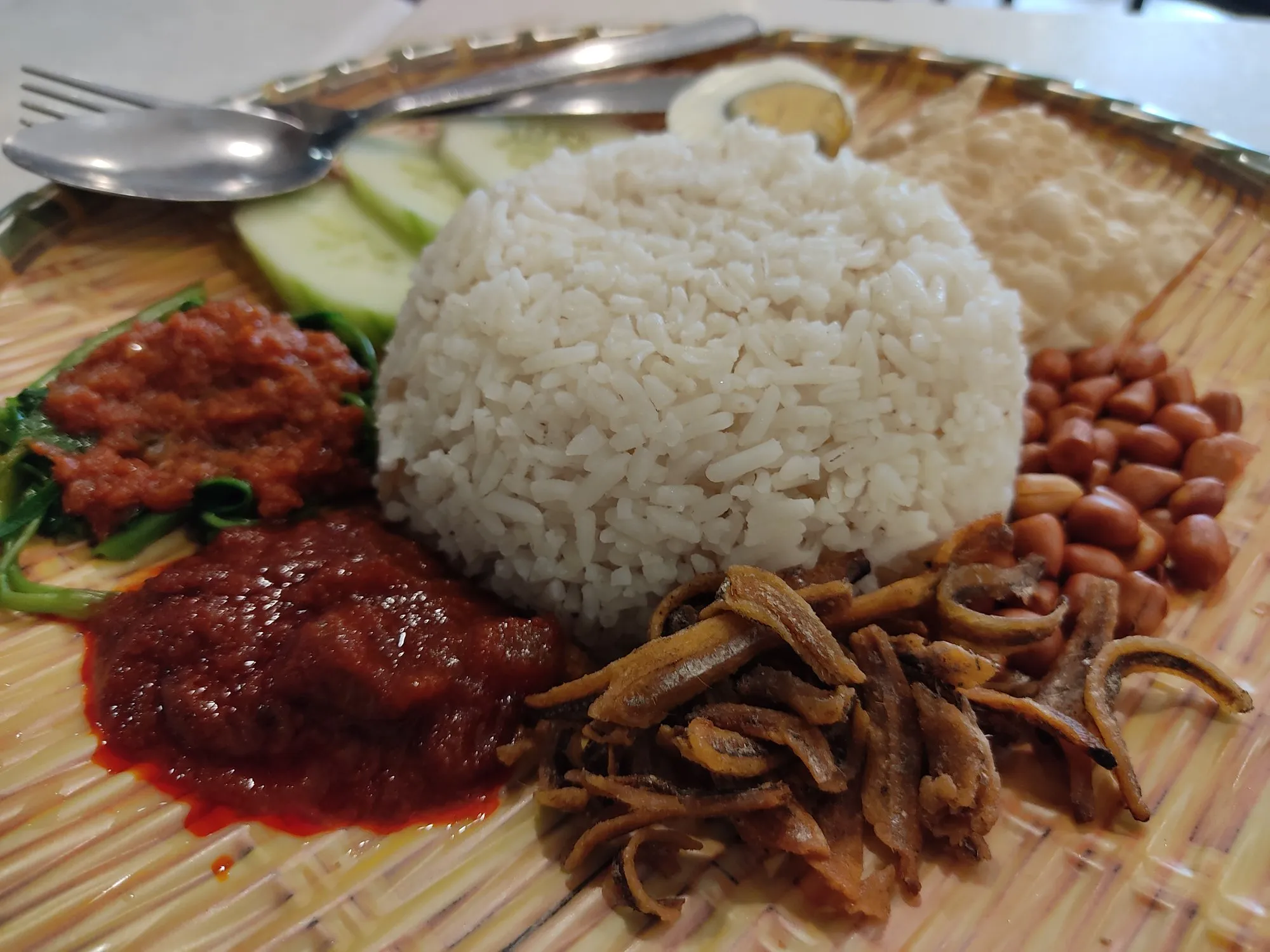
Nasi lemak is rice cooked in coconut milk, often with spices such as ginger, star anise and cinnamon. Official guides describe it served with fried anchovies, egg, sambal, cucumber and peanuts, and sometimes with rendang. Many Malaysians eat it at breakfast as well as later in the day. In 2024, UNESCO named nasi lemak among the staple foods of Malaysia’s inscribed breakfast culture.
Satay, in the same official guides, is skewered chicken or beef grilled over charcoal and eaten with a peanut dip, compressed rice cubes, onion and cucumber. Rendang is described as a thick, relatively dry Malay dish of beef or chicken, eaten with white rice or glutinous rice, and as a specialty of Hari Raya.
Sweet and savoury cakes, including banana fritters, are also mentioned as everyday tea-time food. For the festive calendar around Hari Raya, see 10 Malaysian Festivals to Know Before You Travel and the Malaysia Festival Calendar.
The Chinese kitchen
Official Tourism Malaysia material describes Chinese cooking in Malaysia as often stir-fried and served hot, with vegetables cooked so they stay crisp, and with rice or noodles as the everyday base. Lunch may be rice with several meat and vegetable dishes. Noodles appear fried, in soup, or in curry.
Char kuay teow (also spelled char kuey teow) is one of the most frequently named plates from this kitchen. Official text describes flat rice noodles fried over a high heat with cockles, prawns and chicken, garnished with bean sprouts, and sometimes finished with duck egg.
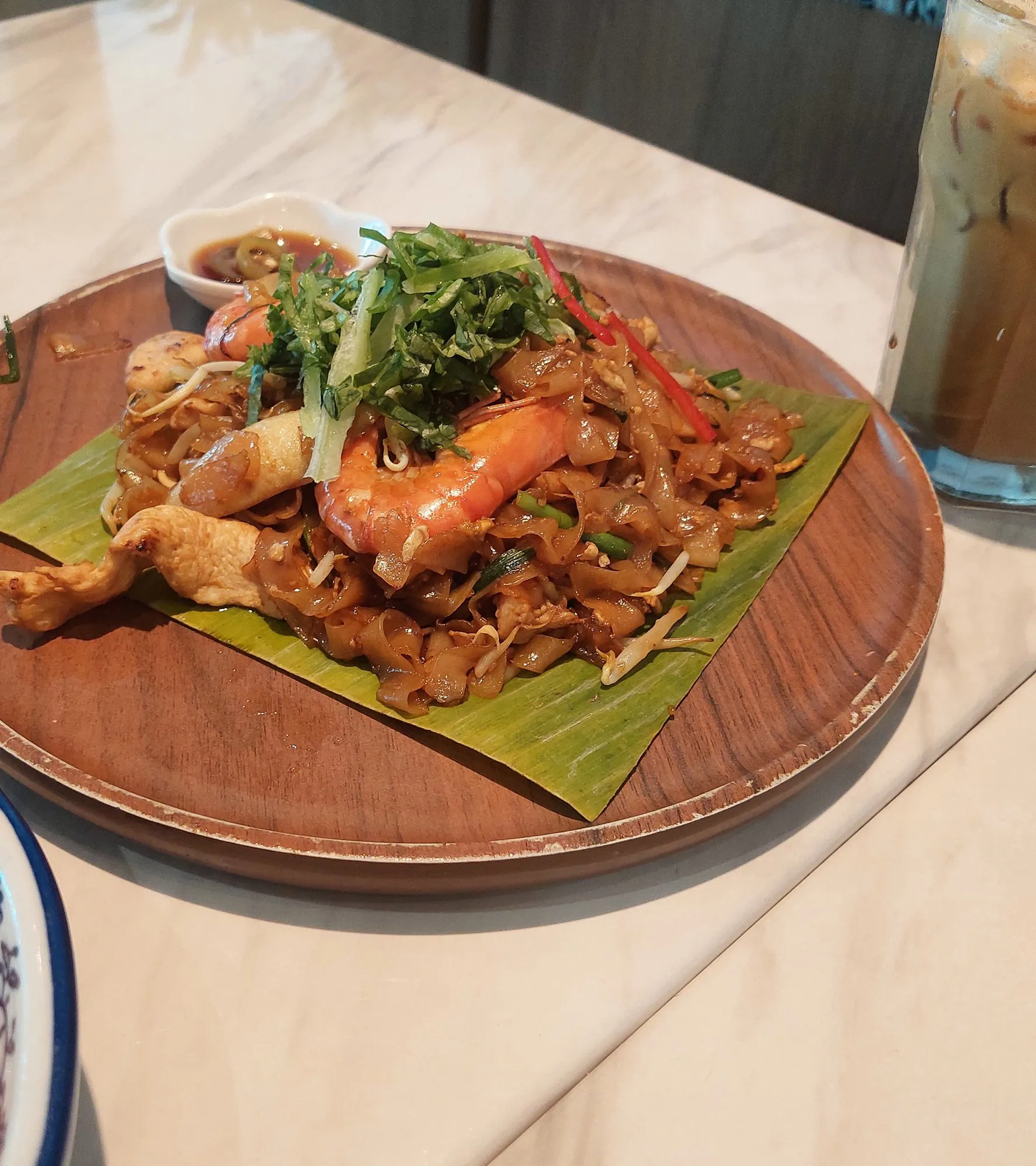
Chicken rice is described as rice served with roasted, steamed or poached chicken, with ginger paste, chilli sauce and soy sauce on the side. Laksa is a noodle soup that official guides say can include coconut milk, seafood, bean sprouts, cucumber and spices, with distinct regional styles including Laksa Penang, Laksa Johor and Laksa Sarawak.
Not every Chinese-influenced dish is suitable for Muslim or vegetarian diners. Official tourism text describes bak kut teh as pork ribs and meat simmered in a herbal broth with spices such as star anise, cinnamon, cloves, fennel seeds and garlic. The same source names chi kut teh as a version that uses chicken instead of pork. If you require certified halal food, do not assume a noodle stall or herbal soup shop is certified; check the official mark and directory.
Nyonya, or Peranakan, cooking is treated in official tourism writing as one of the country’s blended traditions, shaped by Chinese and Malay kitchens over generations, especially in historic port cities. It is part of the same food landscape, not a fifth, separate “nation”.
The Indian and mamak kitchens
Tourism Malaysia groups Indian food in Malaysia into two broad styles. Northern favourites it names include briyani rice and breads such as naan. A typical southern meal, it says, is rice with curry, side dishes and yoghurt, often served on a banana leaf, with thosai, chappati and poori eaten with coconut, tomato or mint chutneys.
A related, and very visible, strand is mamak food, which official guides describe as Indian Muslim in origin and popular in cities at any time of day. Named dishes include murtabak, teh tarik, fish-head curry, nasi kandar and fried noodles.
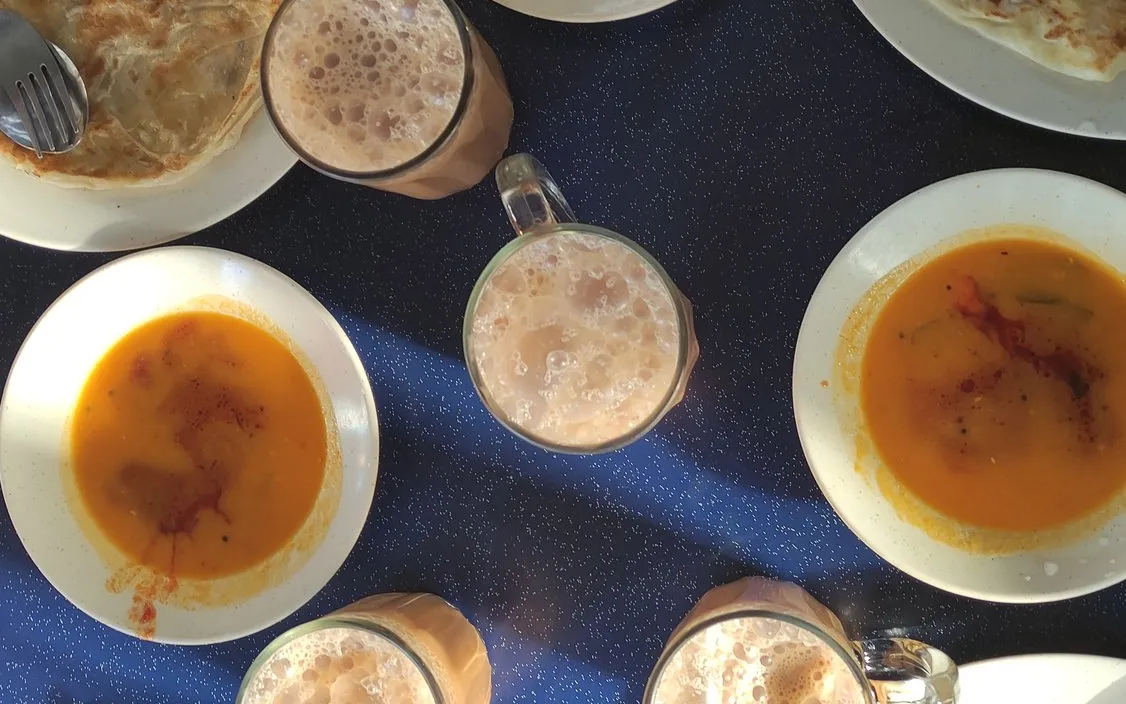
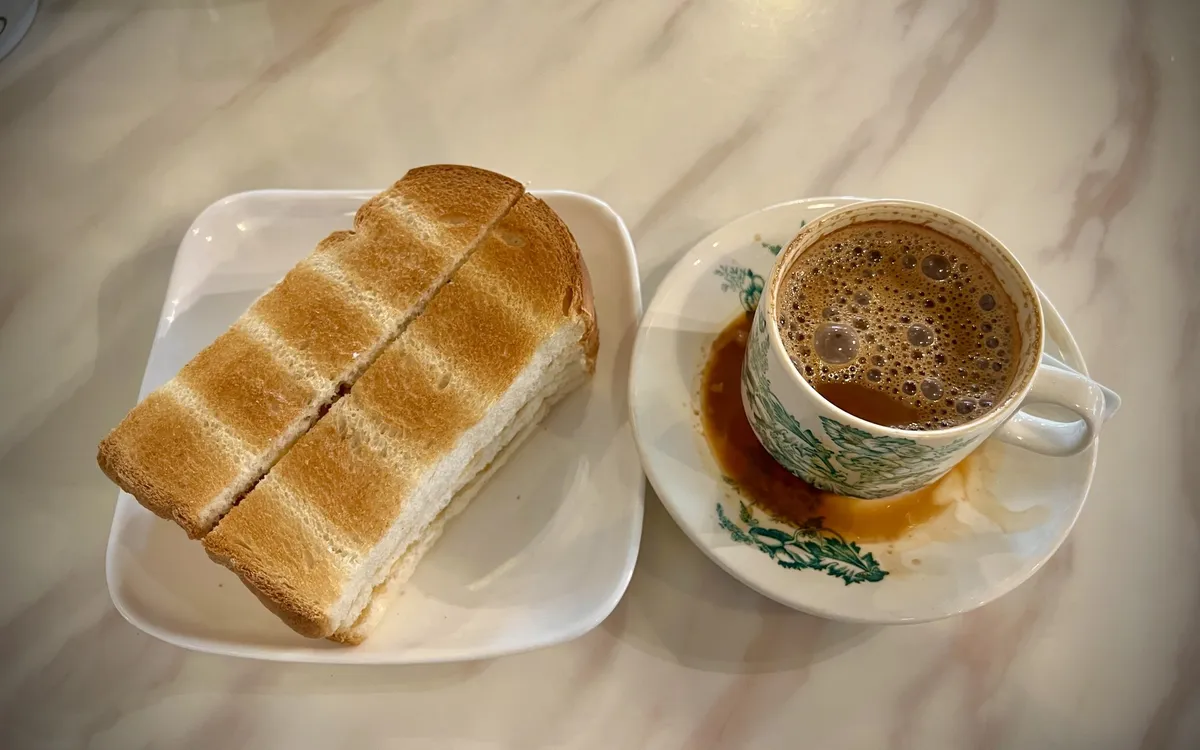
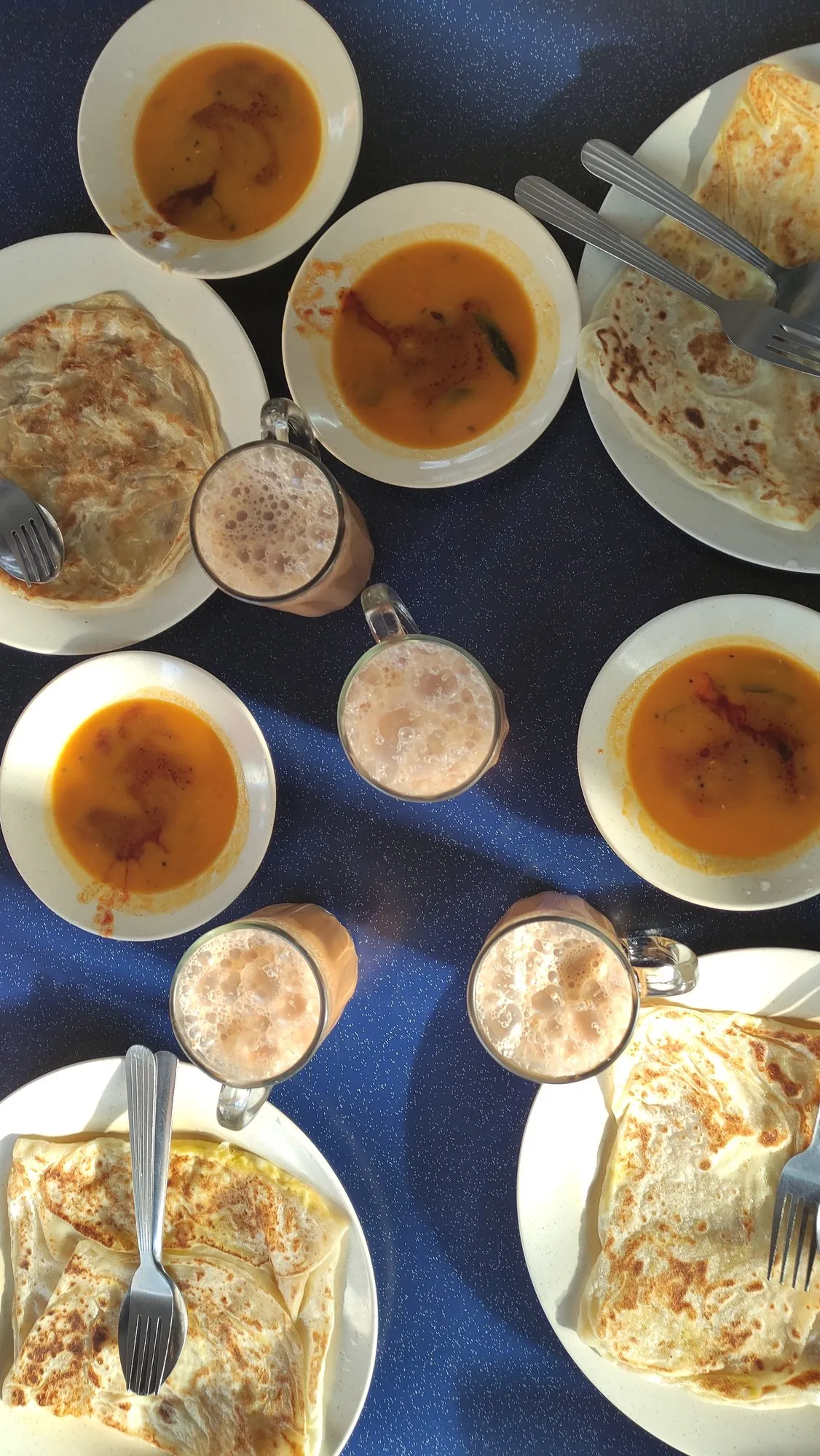
Roti canai is singled out as a traditional Malaysian breakfast: a light, crisp wheat flatbread, stretched and cooked on a griddle, usually eaten with lentil or chicken curry. UNESCO’s 2024 inscription of Malaysian breakfast culture names roti canai and teh tarik alongside nasi lemak. Teh tarik — “pulled” tea — is also the everyday drink of many mamak stalls and kopitiams. For how to order the tea and coffee in a kopitiam, see the Kopitiam Coffee Cheat Sheet.
Sabah, Sarawak and the Bornean kitchens
East Malaysia is not an afterthought. Official national tourism material includes the indigenous people of Borneo among the communities that shape the country’s food. State tourism boards then describe dishes that are rarely the first thing a short itinerary in Kuala Lumpur will put on the table.
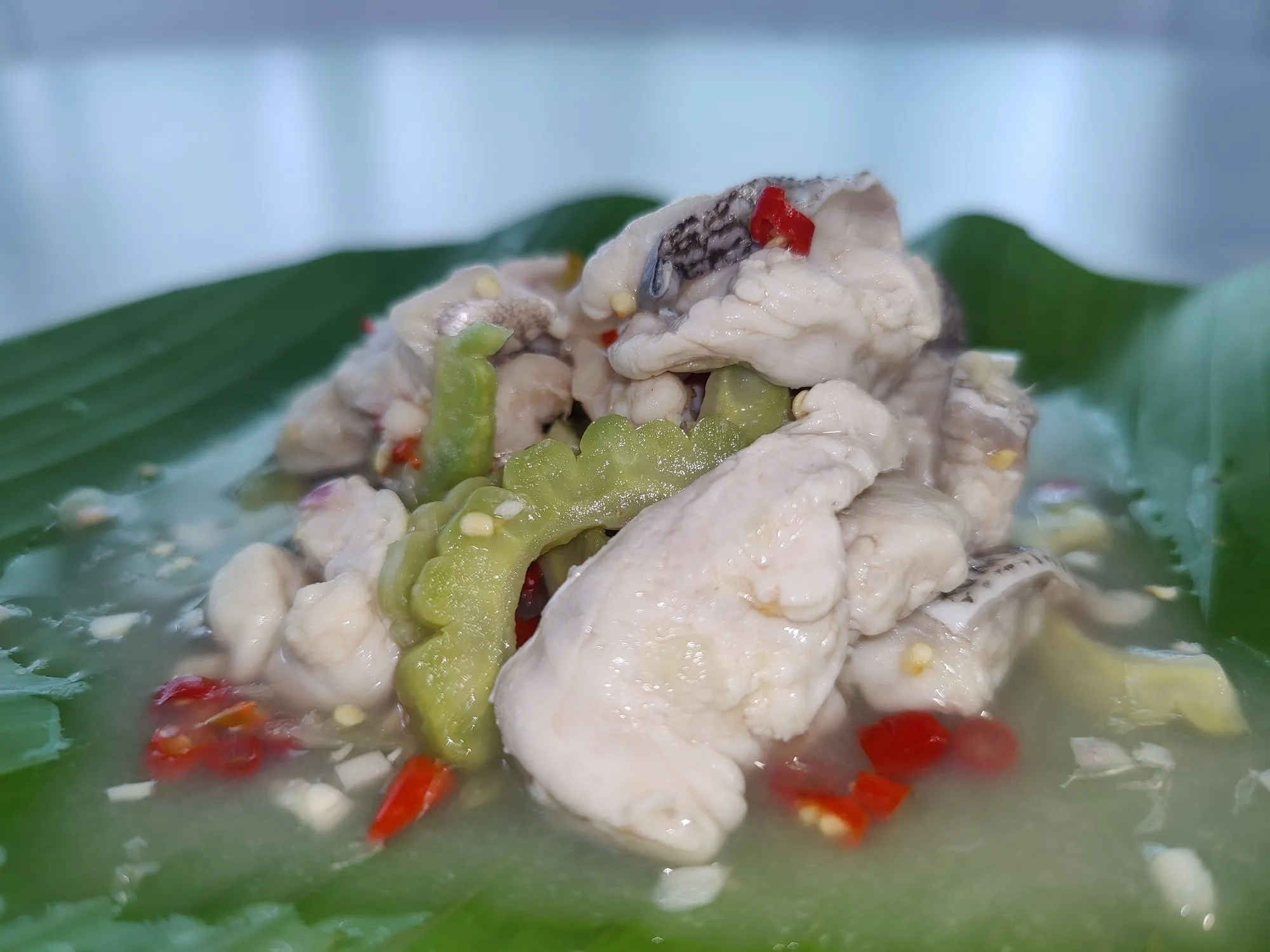
The Sabah Tourism Board lists hinava among the traditional foods of the Kaamatan harvest festival. In official and official-board writing, hinava is a Kadazandusun (and related KDMR) dish of thinly sliced fish, often mackerel (tenggiri), mixed with lime juice, bird’s-eye chilli, ginger and red onion, sometimes with bitter gourd. The same festival pages also name tuhau (a wild ginger preparation), ambuyat or ombuyat, and other harvest dishes. Rice wines such as tapai, bahar, lihing and montoku are part of some traditional tables; they are not, of course, a fit for every visitor.
The official Sarawak Tourism Board describes a kitchen shaped by Iban, Chinese, Malay, Bidayuh and Orang Ulu communities, and by ingredients from the rainforest. Its food pages name Sarawak laksa as a rich noodle soup with a prawn-based broth, often topped with shredded chicken and prawns, and served with sambal and lime; kolo mee as savoury dry noodles typically served with minced pork or beef and slices of barbecued meat; midin as a jungle fern usually stir-fried with garlic or belacan (shrimp paste); and ayam pansuh (also spelled manuk pansuh) as an Iban dish of chicken cooked in bamboo with lemongrass, ginger and tapioca leaves.
As with Chinese pork dishes, some Sarawak noodle plates are prepared with pork. Ask, and use the official halal directory if you need certified premises.
A shared breakfast table
In 2024, UNESCO inscribed “Breakfast culture in Malaysia: dining experience in a multi-ethnic society” on the Representative List of the Intangible Cultural Heritage of Humanity. The official description is about more than a menu: it centres on food and time spent together over a morning meal, practised in private and public spaces, in every state. It names nasi lemak, roti canai and teh tarik as staple foods of that practice, and notes that dishes once associated with one community are now widely shared.
That is a useful way to travel. You do not have to “complete” four kitchens. Sit down to breakfast, notice which traditions are on the same table, and treat recipes that change from town to town as a feature, not an error.
[End CTA] Find Ipoh heritage food shops, and the stories behind them, in the Aevum app. The app is coming soon in Ipoh and is not a nationwide restaurant directory. Download the Aevum app (coming soon)
Report an error · Something wrong, incomplete or culturally insensitive? Tell us and we aim to review it within 5 working days.
Questions
What are Malaysia's four kitchens?
This guide uses four culinary traditions that official tourism materials describe side by side: Malay, Chinese, Indian, and the indigenous kitchens of Sabah and Sarawak. There are also blended styles, including Nyonya (Peranakan) cooking and Indian Muslim, or mamak, food. It is a way to understand the country's food, not a formal government classification of every dish.
What should a first-time visitor eat in Malaysia?
Tourism Malaysia highlights nasi lemak, satay, rendang, roti canai, char kuay teow, chicken rice and laksa styles such as Penang, Johor and Sarawak laksa. Official Sabah tourism pages also point to dishes such as hinava. These are documented starting points, not a ranked must-try list. Check ingredients if you keep a halal, vegetarian or other diet.
Is Malaysian breakfast a recognised cultural practice?
Yes. In 2024, UNESCO inscribed 'Breakfast culture in Malaysia: dining experience in a multi-ethnic society' on the Representative List of the Intangible Cultural Heritage of Humanity. The official description centres on sharing a morning meal, and names nasi lemak, roti canai and teh tarik among the staple foods of that practice, across communities and across the country.
Are all famous Malaysian dishes halal?
No. Many popular dishes are prepared for Muslim diners, but official tourism materials also describe pork dishes such as bak kut teh, and some noodle plates may include lard or pork. To confirm that a premise or product is certified halal, use the Malaysia Halal logo and the official directory, explained in our halal food guide.
What food is typical of Sabah and Sarawak?
The Sabah Tourism Board lists traditional foods such as hinava, a lime-cured fish dish, as well as tuhau and ambuyat, especially around Kaamatan. The Sarawak Tourism Board describes Sarawak laksa, kolo mee, midin — a jungle fern, often stir-fried — and ayam pansuh, an Iban dish of chicken cooked in bamboo with lemongrass, ginger and tapioca leaves.
Sources
All accessed 12 November 2026.
- Tourism Malaysia / official Kuala Lumpur visitor guide, “A Taste of Malaysia” (Malay, Chinese, Indian and mamak cuisine; nasi lemak, satay, teh tarik, roti canai, rendang, bak kut teh and chi kut teh, chicken rice, laksa styles including Penang, Johor and Sarawak, char kuay teow): https://ebrochures.malaysia.travel/en/kuala-lumpur/24-28-kl-eat/
- Tourism Malaysia, “Fabulous Food 1Malaysia” (multi-ethnic food culture, including Nyonya and the indigenous people of Sabah and Sarawak; nasi lemak, laksa, bak kut teh): https://www.malaysia.travel/explore/fabulous-food-1malaysia
- UNESCO Intangible Cultural Heritage, “Breakfast culture in Malaysia: dining experience in a multi-ethnic society”, inscribed 2024 on the Representative List (19.COM 7.b.47; nasi lemak, roti canai, teh tarik): https://ich.unesco.org/en/RL/breakfast-culture-in-malaysia-dining-experience-in-a-multi-ethnic-society-02113
- Sabah Tourism Board, “Kaamatan, A Celebration of Culture” and “Harvest Festival (Pesta Kaamatan)” (hinava, tuhau, ambuyat/ombuyat and other harvest foods): https://sabahtourism.com/article/kaamatan-a-celebration-of-culture/, https://sabahtourism.com/article/harvest-festival-pesta-kaamatan/
- Sabah Tourism Board, “Gastronomical Adventure with Sabah’s Traditional Food” (description of hinava as sliced tenggiri with bird’s-eye chilli, ginger, red onion, bitter gourd and lime): https://sabahtourism.com/article/gastronomical-adventure-with-sabahs-traditional-food/
- Sarawak Tourism Board, Food (Sarawak laksa, kolo mee, ayam pansuh, midin): https://www.sarawaktourism.com/web/things-to-do/thing-view/food
Related reading: How to Find Halal Food in Malaysia, Kopitiam Coffee Cheat Sheet, 10 Malaysian Festivals to Know Before You Travel.