Insights · Strategy
The Economic Impact of Cultural Tourism in Secondary Cities
Cultural tourism can spread visitor spending beyond gateway cities in Malaysia and Southeast Asia. Official figures show where that money lands, and where it does not.
By Aevum Editorial, written by Joan V. · Published · Updated
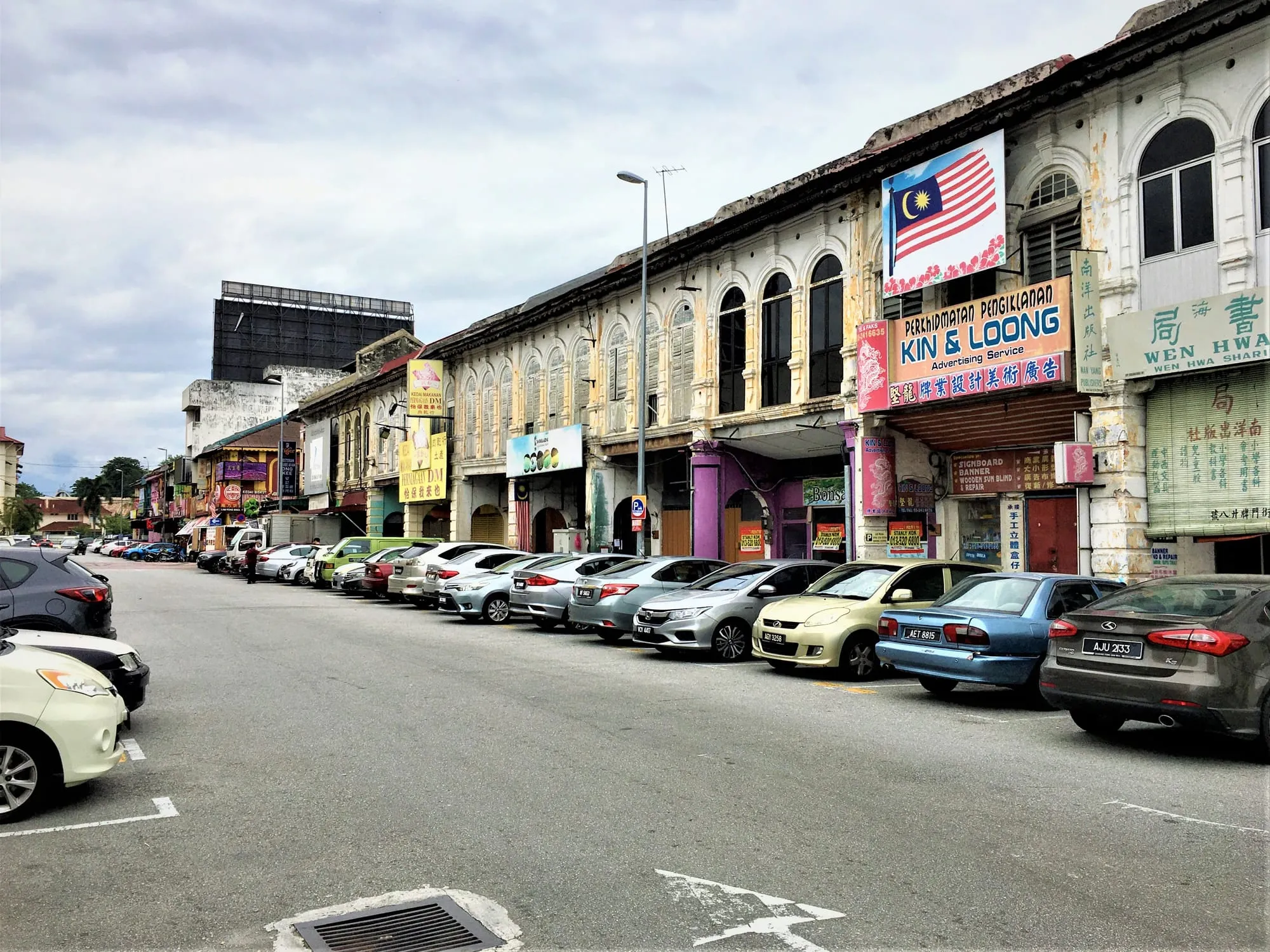
In short: Cultural tourism is travel drawn by a place’s heritage, food and living traditions. In secondary cities — places that matter in their own region but are not a country’s main international gateway — that kind of travel is one of the ways visitor spending can spread beyond a handful of famous streets. Official figures show that Malaysia’s domestic and international visitor economies are already large, and that Southeast Asia as a whole is again a major tourism region. The economic question, in Malaysia, across Southeast Asia and further afield, is not only how many people come, but whether they can find the family businesses that hold the culture they came for.
What kind of city is this about?
A secondary city, here, is a city that is important in its own region but is not the country’s main international gateway or primate capital. It may still be a state or provincial capital. It may have its own railway station, old town and food reputation. What it does not automatically receive is the first night of every foreign itinerary.
Malaysia has several such places, as does the rest of Southeast Asia, and the same pattern appears in other parts of the world: historic towns and food cities that sit outside the main airport hub. The ASEAN Secretariat, in ASEAN Tourism Outlook 2025, lists heritage and cultural destinations that include George Town and Melaka in Malaysia, Luang Prabang in Laos, Hội An in Viet Nam, Borobudur in Indonesia and Angkor in Cambodia. An Asian Development Bank briefing on Southeast Asia’s secondary destinations, published on SEADS in February 2026, describes the same logic at work in places such as Bohol in the Philippines, Battambang in Cambodia and Luang Prabang: spread the benefits of tourism, and ease pressure on the most crowded primary attractions.
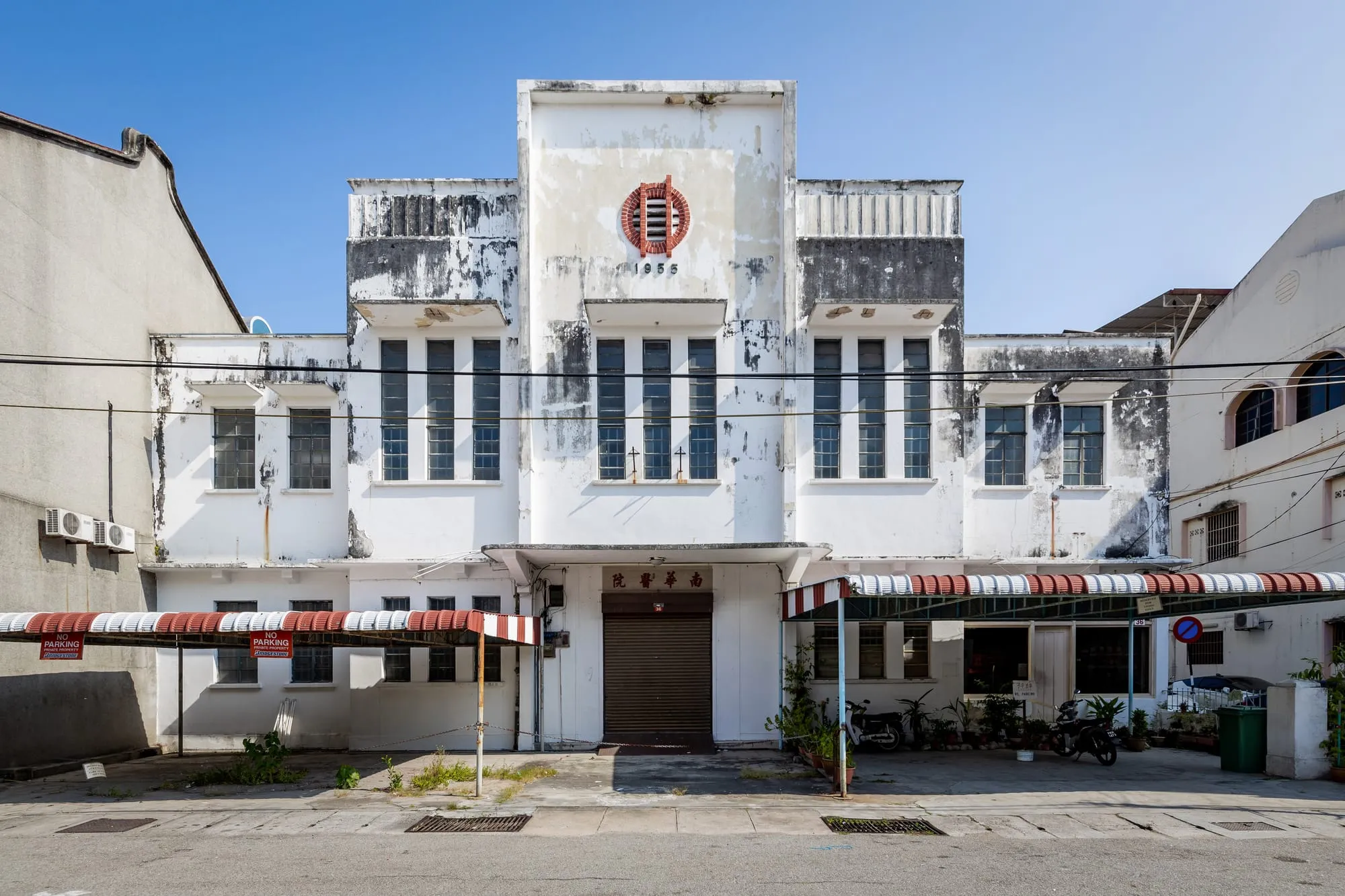
That distinction matters for money. A visitor who flies into a gateway city and takes a day trip elsewhere often spends the hotel night, the airport meal and a share of the shopping back at the gateway. A visitor who stays two or three nights, eats in family shops and looks for the story behind a dish leaves more of that spending in the city they came to see.
How much money is already moving?
The widest numbers are global. UN Tourism’s International Tourism Highlights, 2025 Edition reports that international tourist arrivals recovered to almost 1.5 billion in 2024, and that destinations worldwide earned USD 1.7 trillion in international tourism receipts.
Southeast Asia is a large part of that recovery. The same UN Tourism edition puts South-East Asia at 122.1 million international tourist arrivals in 2024 and USD 131.3 billion in receipts. The ASEAN Secretariat’s ASEAN Tourism Outlook 2025 gives closely related figures for ASEAN destinations that year: 121 million international tourist arrivals and USD 132 billion in receipts, or USD 150 billion if passenger transport is included in export revenues from tourism. An ADB SEADS article dated 25 February 2026, reporting remarks from the ASEAN Tourism Conference 2026, cited an estimate of 144 million international visitors to Southeast Asia in 2025, up 13.4 per cent, and said the sector sustained 42.5 million jobs. ASEAN tourism ministers, the same article notes, have framed quality growth — including diversified destinations — as a regional goal under the ASEAN Tourism Sectoral Plan 2026–2030.
Malaysia sits inside that regional picture. Tourism Malaysia’s Key Performance Indicators 2025 recorded 42,196,892 foreign visitor arrivals in 2025, an increase of 11.2 per cent from 2024. On 27 September 2025, at the official launch of Visit Malaysia 2026 in Melaka, the Ministry of Tourism, Arts and Culture said VM2026 targets 47 million international visitor arrivals. Those 47 million are a target, not a result.
Domestic travel is larger still. On 15 September 2026, the Department of Statistics Malaysia (DOSM) released Performance of Domestic Tourism by State 2025. According to that statement, Malaysia recorded 290.1 million domestic visitors in 2025, up 11.5 per cent from the year before, and domestic tourism expenditure rose 13.6 per cent to 121.3 billion ringgit. Every state recorded growth in both visitor arrivals and receipts.
The largest shares of those domestic visitors went to Selangor (36.4 million), W.P. Kuala Lumpur (35.1 million) and Perak (23.6 million). The largest numbers of domestic tourists — visitors who stayed the night — were in Pahang (11.0 million), Selangor (10.6 million) and Perak (10.4 million). The highest domestic receipts were in W.P. Kuala Lumpur (16.9 billion ringgit), Selangor (15.8 billion ringgit) and Pahang (9.8 billion ringgit).
Food is already a large part of that spending. Nationwide, food and beverage expenditure by domestic visitors came to 19.5 billion ringgit in 2025. The three states with the highest totals in that category were Selangor (2.5 billion ringgit), W.P. Kuala Lumpur (2.3 billion ringgit) and Perak (1.6 billion ringgit). Shopping, DOSM said, was the main purpose of domestic trips in Melaka, Negeri Sembilan, Pahang, Penang, Perak, Selangor, Sarawak and W.P. Kuala Lumpur. Visiting relatives and friends remained the main purpose in several other states.
These figures do not split “cultural” trips from other trips. They do show that visitor spending — globally, across Southeast Asia, and across Malaysian states — is already large, that food is one of the few items DOSM names beside the national totals, and that the money is not confined to a single state or a single city centre.
What happens after visitors arrive?
Counts at the national or regional level cannot tell you whether a visitor spent the evening in a family kitchen or only walked a famous lane.
The economic pattern is consistent across secondary cities. People come, often from elsewhere. They stay a short time. They spend readily on food and shopping. And unless they can match what they came for — a dish, a workshop, a story — with a place that can receive them, a share of lodging and evening spending never reaches the streets they walked.
One small illustration, not a census, is a 2025 survey of 100 visitors in a single Malaysian heritage district, reported in Geografia-Malaysian Journal of Society and Space. The authors used convenience sampling; the results represent those respondents, not all visitors; no foreign visitor took part; most respondents were aged 19 to 30. Inside that sample, food and dining was the activity people engaged in most, and more than half lodged outside the study area itself. The same paper is useful mainly as a reminder of the leakage problem: a heritage street can draw the walk, while the hotel night is spent somewhere else.
The ADB SEADS briefing makes the wider point for Southeast Asia. Developing secondary destinations, it argues, only works if promotion is paired with the things that let visitors stay and spend well: infrastructure, connectivity, digital readiness and businesses that can actually receive them. Promoting a place before those pieces are in place risks a thin visit and extra pressure on fragile cultural assets.
Where the money lands, and where it does not
A secondary city’s heritage economy is not only its monuments. It is also the shophouse that still makes a curry the long way, the restaurant that sets a wedding table in the middle of an ordinary week, the stall that kept going through a hard season by inventing a new way to send a family recipe home.
Those businesses convert a visitor’s interest into wages, rent, ingredients and the next generation of cooks. They are also easy to miss. A visitor who knows only the busiest lane will spend there and leave. A visitor who can find the family kitchen a short trip away is more likely to eat a full meal, take food home, and tell someone else.
That is a fragile way to carry the value of living heritage if the only map a visitor has is a social-media post. Posts disappear. A shop without a clear address or a written story is harder for the next visitor — or the next answer engine — to find.
For a city government, in Malaysia or anywhere else, the implication is practical. Crowd numbers on one street do not automatically lift the shops around the corner. If the aim is to spread visitors, and the spending that follows them, people need a reason to walk on — a story, a dish, a name they can search for.
What this means for living-heritage cities
Aevum puts heritage food shops and historic places on one map, each with the story behind it. We use a hybrid approach. AI helps us gather places and first drafts from public sources and check facts, and people review every story for cultural nuance.
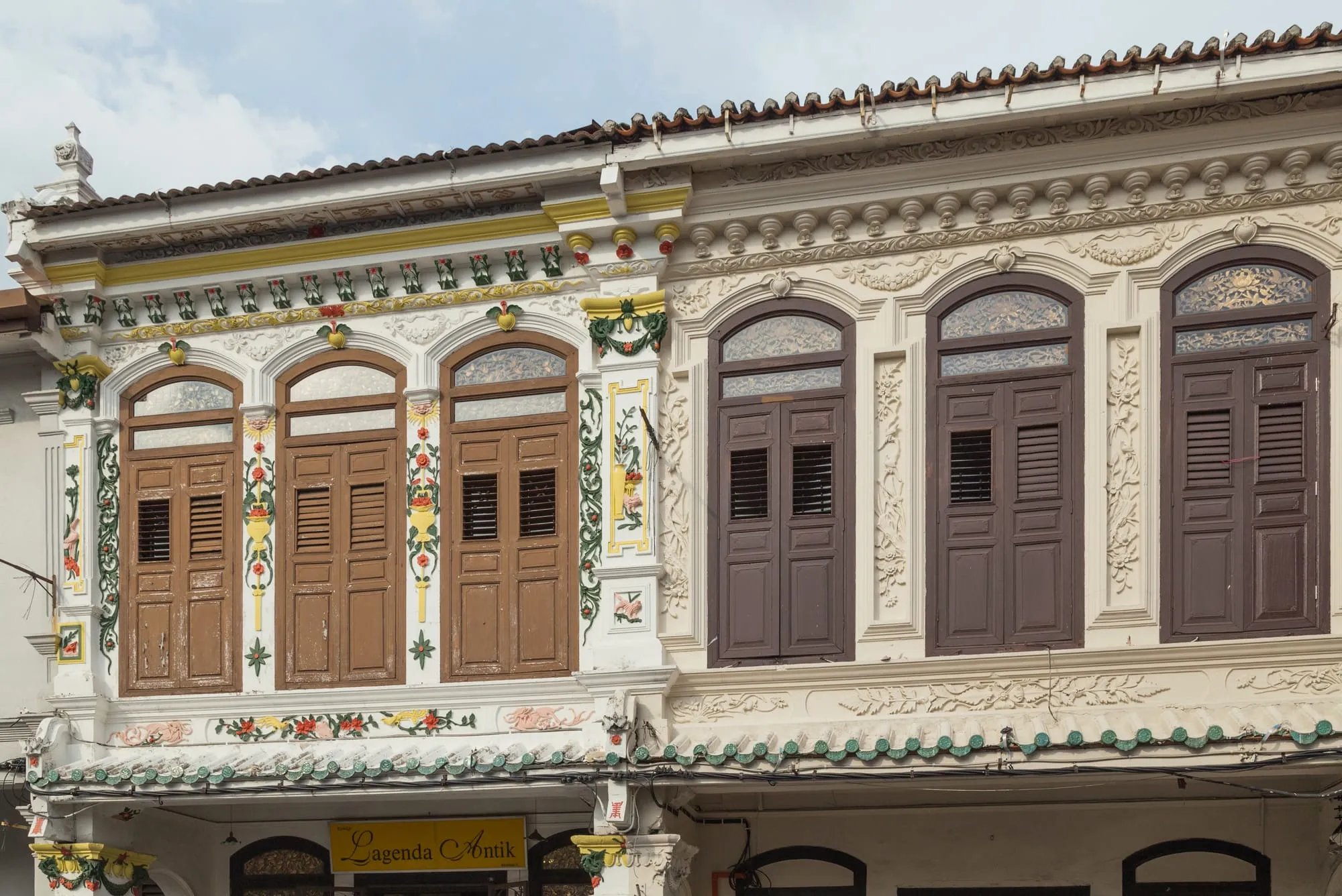
The app itself is coming soon. This website is where the guides and the longer stories live today. The gap we are trying to close is simple: a living-heritage business should be easier to find, so that more of the spending already recorded under food, and more of the nights visitors already book, can reach the people who keep the culture in use.
None of that replaces official statistics, and it does not turn any one local survey into a regional census. It does suggest a test for secondary cities in Malaysia, elsewhere in Southeast Asia, and further afield, wherever cultural tourism is asked to mean more than footfall: can a visitor who cares about food and heritage actually find the families who still practise it?
Report an error · Something wrong, incomplete or culturally insensitive? Tell us and we aim to review it within 5 working days.
Questions
What is cultural tourism?
Cultural tourism is travel whose main aim is to learn about, experience or enjoy a place's heritage, food, arts and living traditions, not only to pass through a famous landmark. In a secondary city that often means family shops, old streets and everyday recipes as much as monuments.
Why does cultural tourism matter economically in secondary cities?
Gateway cities already capture a large share of national and international tourism spending. Cultural tourism gives visitors a reason to stay longer and spend on food, lodging and local goods in cities that are not the main entry point, so more of that spending can reach family businesses.
How large is tourism spending in Malaysia?
According to the Department of Statistics Malaysia, domestic visitors numbered 290.1 million in 2025 and spent 121.3 billion ringgit. Tourism Malaysia's Key Performance Indicators 2025 recorded 42.2 million foreign visitor arrivals that year, up 11.2 per cent. Food and beverage spending by domestic visitors nationwide was 19.5 billion ringgit.
How large is tourism in Southeast Asia?
The ASEAN Secretariat's Tourism Outlook 2025 recorded 121 million international tourist arrivals and USD 132 billion in tourism receipts across ASEAN in 2024. UN Tourism's International Tourism Highlights, 2025 Edition, put South-East Asia at 122.1 million arrivals and USD 131.3 billion in receipts the same year. An ADB SEADS briefing in February 2026 cited an estimate of 144 million international visitors to Southeast Asia in 2025.
How can a secondary city keep more visitor spending local?
Visitors need a reason to stay the night and a way to find the family kitchens and workshops that make the place itself, not only the well-known streets. Stories, clear addresses and practical guides help that spending reach living-heritage businesses. The Aevum app, which will collect those stories on one map, is coming soon.
App coming soon
The stories behind living-heritage kitchens and streets will sit on one map in the Aevum app.
Download the Aevum app (coming soon)
More to read
Sources
All accessed 6 November 2026.
- World Tourism Organization (UN Tourism), International Tourism Highlights, 2025 Edition, first published 2026, DOI 10.18111/9789284427499. Figures used: almost 1.5 billion international tourist arrivals in 2024; USD 1.7 trillion in international tourism receipts; South-East Asia 122.1 million arrivals and USD 131.3 billion in receipts in 2024.
- ASEAN Secretariat, ASEAN Tourism Outlook 2025, Jakarta, October 2025: PDF. Figures used: 121 million international tourist arrivals and USD 132 billion in receipts in ASEAN in 2024 (USD 150 billion including passenger transport); heritage and cultural examples including George Town and Melaka, Luang Prabang, Hội An, Borobudur and Angkor.
- Asian Development Bank, SEADS, “When Second Is Best: How ASEAN Is Tackling Overtourism”, 25 February 2026: https://seads.adb.org/articles/when-second-best-how-asean-tackling-overtourism. Figures and examples used: an estimated 144 million international visitors to Southeast Asia in 2025 (up 13.4 per cent); 42.5 million jobs; secondary-destination cases including Bohol, Battambang and Luang Prabang.
- Tourism Malaysia, Malaysia Tourism Key Performance Indicators 2025: PDF. Figure used: 42,196,892 foreign visitor arrivals in 2025, up 11.2 per cent.
- Ministry of Tourism, Arts and Culture Malaysia, “Official Launch of VM2026 in Collaboration with the Melaka State Government”, 27 September 2025: https://www.motac.gov.my/en/official-launch-of-vm2026-in-collaboration-with-the-melaka-state-government/. Figure used: VM2026 target of 47 million international visitor arrivals.
- Department of Statistics Malaysia, “Performance of Domestic Tourism by State 2025”, media statement, 15 September 2026: PDF. Figures used: 290.1 million domestic visitors; 121.3 billion ringgit domestic tourism expenditure; state visitor, tourist, receipt and food-and-beverage totals named in the article; shopping as the main purpose of domestic trips in Melaka, Negeri Sembilan, Pahang, Penang, Perak, Selangor, Sarawak and W.P. Kuala Lumpur.
- Mohamad Aiman Irfan Lutfir Rahman, Mohd Fadzil Abdul Rashid and Apriyan Dinata, “Visitors’ experiences of smart heritage tourism in Ipoh Old Heritage Town: The role of smart city initiatives”, Geografia-Malaysian Journal of Society and Space 21(4), 79–94, published 20 November 2025, https://doi.org/10.17576/geo-2025-2104-05. Used only as one small example of visitor behaviour in a single heritage district.