Events & Festivals · Explorers
10 Malaysian Festivals to Know Before You Travel
What Malaysia's major cultural and religious festivals mean, official 2026 and 2027 dates, and how visitors can take part respectfully.
By Aevum Editorial, written by Joan V. · Published · Updated
In short: Malaysia’s year is marked by festivals from more than one faith and more than one calendar. This guide introduces ten major cultural, religious and civic occasions that official holiday schedules and Tourism Malaysia festival features consistently present to visitors: Chinese New Year, Thaipusam, Hari Raya Puasa, Hari Raya Qurban, Wesak, Kaamatan, Gawai Dayak, National Day and Malaysia Day, Deepavali, and Christmas. It is not a ranked “top 10”, and it is not a complete public-holiday list. Official 2026 and 2027 dates below are from Prime Minister’s Department schedules, last checked on 12 November 2026. Some religious dates are marked as subject to change. For full official tables, including state exceptions and other holidays, use the Malaysia Festival Calendar.
[Early CTA] Want to find heritage places and quieter streets around festival time in Ipoh? Look for them in the Aevum app. Download the Aevum app (coming soon)
Tourism Malaysia describes the country as a place where people of different faiths and cultures celebrate through the year. The ten entries below are chosen because they are major occasions for travellers: nationwide or widely observed public holidays, important religious pilgrimages, or the official harvest festivals of Sabah and Sarawak. Mid-Autumn Festival, for example, is widely celebrated and appears in official tourism features, but it is not a public holiday, so it is not one of the ten.
Dates marked with an asterisk are listed as subject to change in the official schedules. If a holiday falls on a Sunday, a replacement weekday is sometimes announced later.
1. Chinese New Year
Chinese New Year is a nationwide public holiday, observed over two days. Official dates: 17–18 February 2026 and 6–7 February 2027. The second day is a federal holiday in most states, and a state holiday in Kelantan and Terengganu.
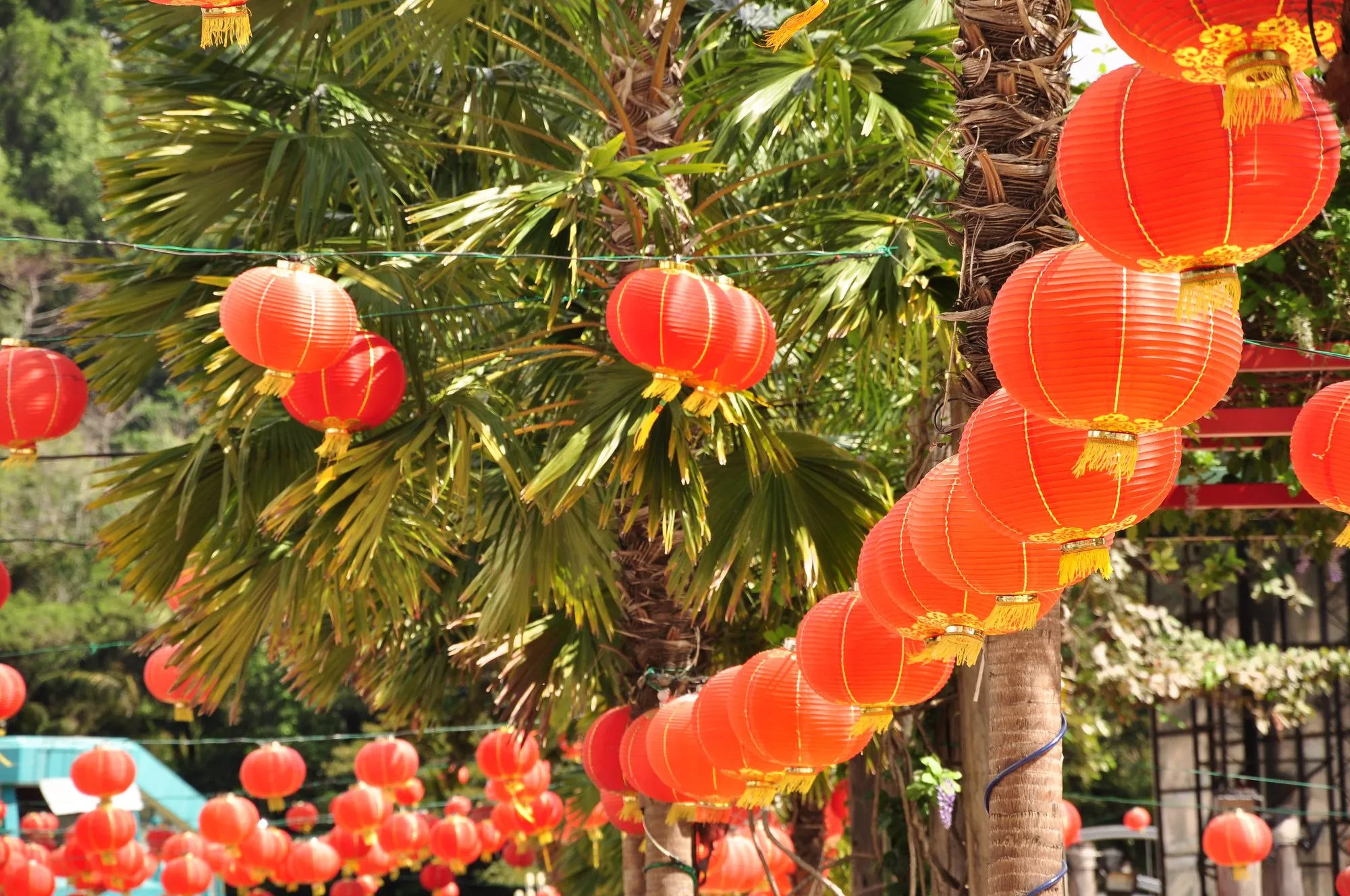
Tourism Malaysia describes the first day of the Lunar New Year as a time of decoration and street celebration, with red ang pow packets, plum blossoms, tangerines and lion dances. Visitors are welcome to watch public performances and enjoy festive streets. Treat family reunion dinners as private unless you are invited, and ask before photographing lion-dance troupes or worship at a temple.
2. Thaipusam
Thaipusam is a Hindu festival in honour of Lord Murugan (Muruga). It is a public holiday in Kuala Lumpur, Putrajaya, Johor, Negeri Sembilan, Perak, Pulau Pinang and Selangor. Official dates: 1 February 2026 and 22 January 2027.
Tourism Malaysia describes the well-known procession in the Kuala Lumpur area, in which an elaborately decorated chariot travels from the Sri Maha Mariamman Temple in Jalan Tun H.S. Lee to Batu Caves, accompanied by thousands of devotees. It is a day of vow and pilgrimage. Visitors should give devotees space, dress modestly at the temple, and ask before taking photographs, especially of people carrying kavadi or in a state of prayer. In Perak, including Ipoh, Thaipusam is also a public holiday; confirm local temple times, and see When Is Ipoh Crowded? for timing in the city.
3. Hari Raya Puasa (Hari Raya Aidilfitri)
Hari Raya Puasa, also called Hari Raya Aidilfitri, marks the end of Ramadan, the Islamic month of fasting. It is a nationwide public holiday over two days (Melaka also observes a third day in the official 2026 and 2027 schedules). Official dates: 21–22 March 2026* and 10–11 March 2027*, both marked as subject to change, because Islamic dates may move after a moon-sighting announcement.
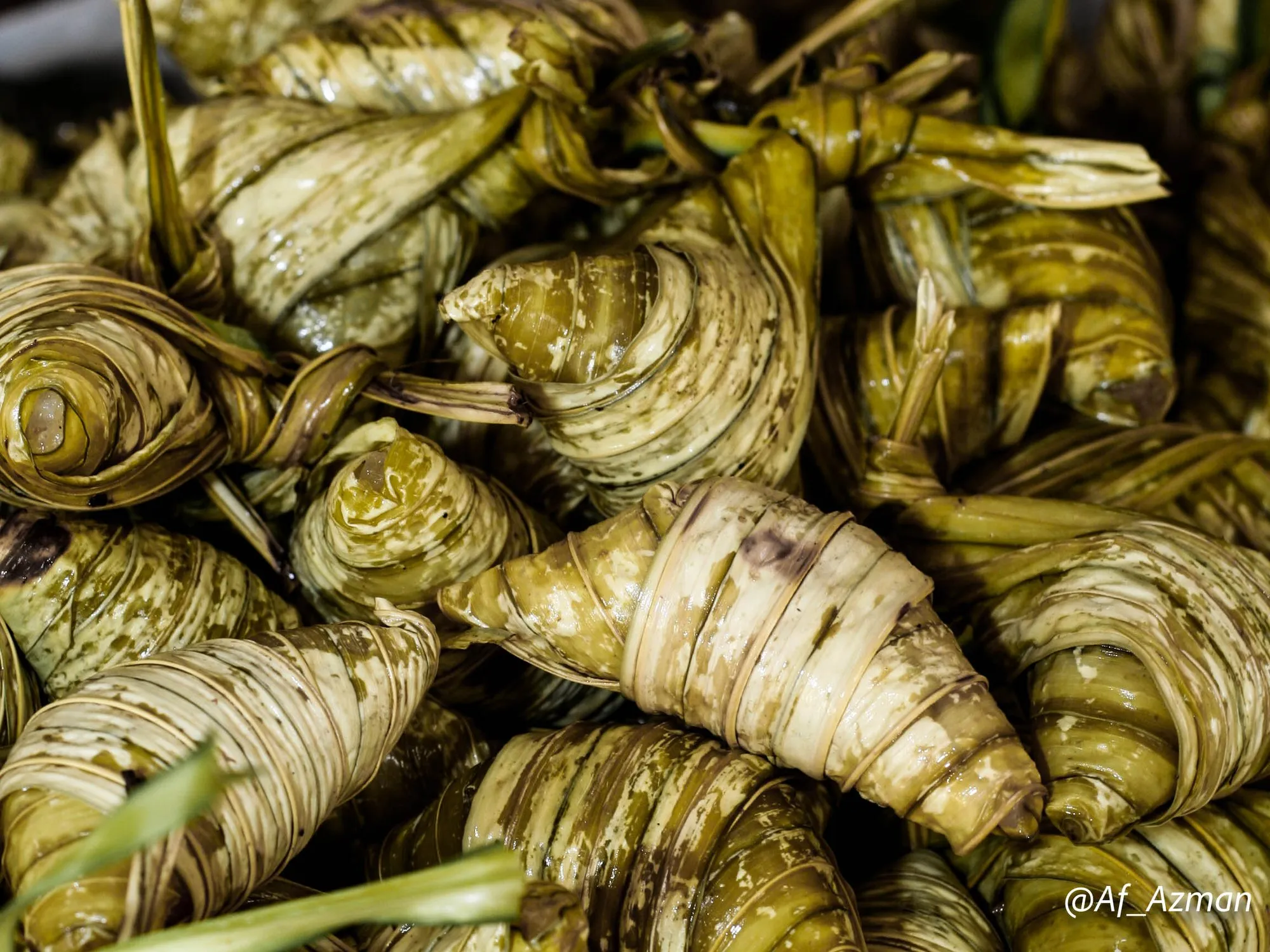
Tourism Malaysia presents the festival as a time of thanksgiving, forgiveness and visiting family and friends, often in new clothes, with open houses and festive food such as rendang and rice cakes. If you are invited to a home, dress neatly, accept food and drink graciously, and be ready for a closed shopfront in some neighbourhoods while families are away.
4. Hari Raya Qurban (Hari Raya Aidiladha)
Hari Raya Qurban, also called Hari Raya Aidiladha, is the festival of sacrifice in the Islamic calendar. It is a nationwide public holiday; a second day is a holiday in Kedah, Kelantan, Perlis and Terengganu. Official dates: 27 May 2026* and 17 May 2027*, marked as subject to change.
It is a religious observance, not only a public holiday. Visitors may see portions of meat being prepared for distribution in some communities. Treat that work with respect, keep a polite distance unless you are invited to help or to receive, and do not treat a sacrifice as a tourist display.
5. Wesak
Wesak is a nationwide public holiday. Official dates: 31 May 2026 and 20 May 2027. In 2026 it falls on the same date as the second day of Kaamatan.
Tourism Malaysia describes Wesak as commemorating the birth, enlightenment and passing of the Buddha. Official visitor material also mentions the release of doves at temples and a colourful float procession at night as a description of how the day is often marked in the capital; local temple programmes differ, so check with the temple you plan to visit. Dress modestly, keep voices low inside prayer halls, and ask before photographing devotees.
6. Kaamatan, Sabah and Labuan
Pesta Kaamatan, the harvest festival, is a public holiday in Sabah and Labuan on 30 and 31 May in both 2026 and 2027.
The Sabah Tourism Board describes it as a major annual festival of the Kadazandusun community: a thanksgiving for the harvest, and a commemoration of the tradition of Huminodun, whose sacrifice, in Kadazandusun legend, brought rice and ended famine. That story is a living tradition and legend, not a dated historical event. The board also says the festival has come to include interfaith gatherings, and that the finale is associated with the Kadazan Dusun Cultural Association centre in Penampang, including the Unduk Ngadau harvest-queen ceremony.
Visitors are generally welcome at public events, food stalls and cultural performances. Treat ritual and the role of bobolian (spiritual specialists), where they appear, as living heritage, not as costume. Official festival pages also mention traditional foods such as hinava and tuhau, and rice wines; see Four Kitchens, One Country for those dishes, and do not assume every table is alcohol-free or certified halal.
7. Gawai Dayak, Sarawak
Gawai Dayak is a public holiday in Sarawak on 1 and 2 June in both 2026 and 2027.
The Regional Corridor Development Authority of Sarawak (RECODA), a state agency, explains that gawai is the Iban word for ritual or festival, and that Dayak is a collective name for Sarawak’s indigenous communities. The festival, it says, marks the end of the rice cycle: a time to give thanks for the harvest and to pray for a better one in the year ahead. Official accounts describe open houses and gatherings in longhouses and towns.
If you are invited to a longhouse, follow your host’s lead on greetings, seating and whether to accept rice wine (tuak). Public cultural events in towns are usually easier for a first-time visitor than an unarranged visit to a private home.
8. National Day and Malaysia Day
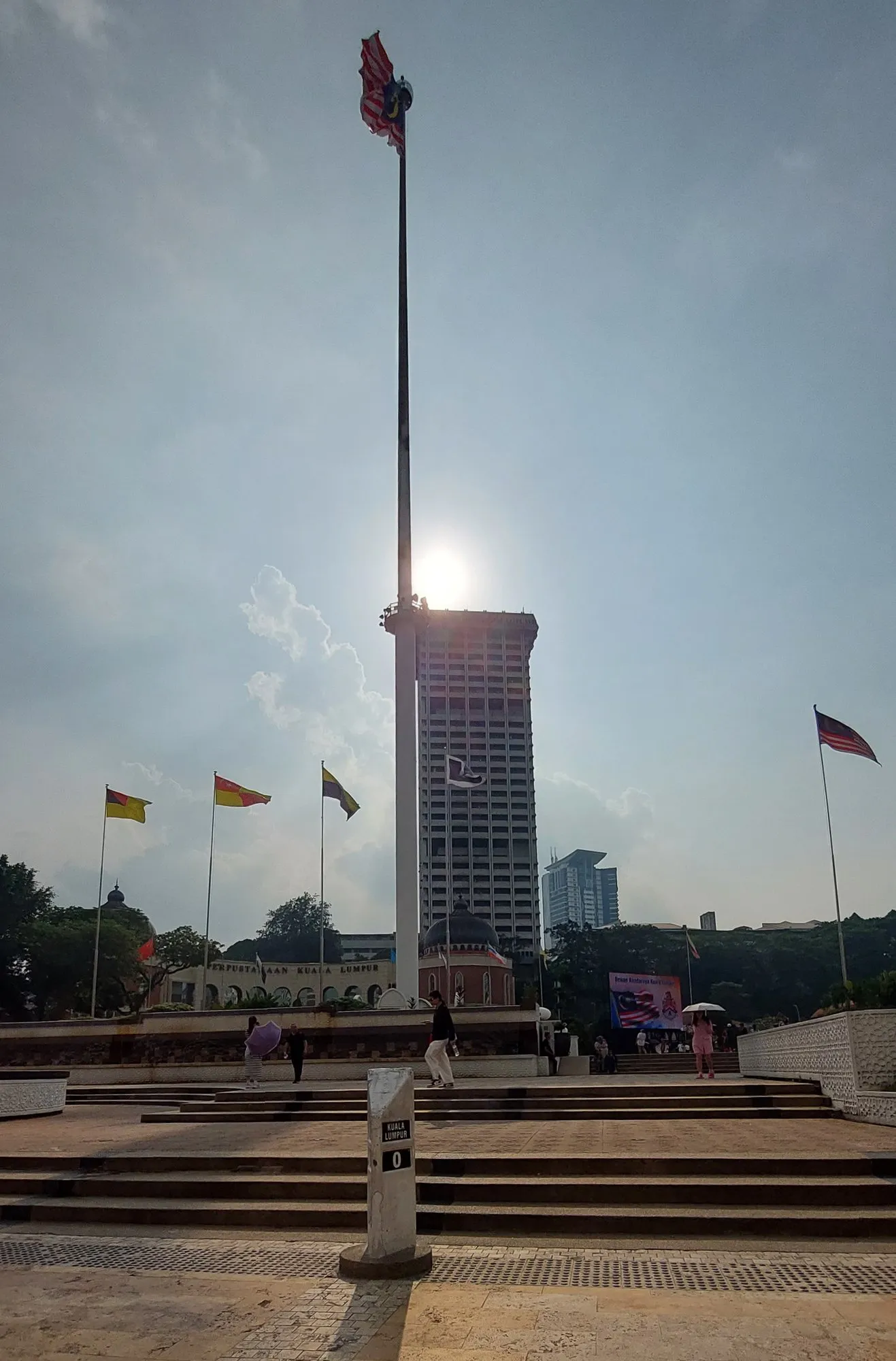
National Day, or Hari Kebangsaan, is on 31 August every year. Tourism Malaysia says it commemorates the proclamation of the independence of the Federation of Malaya on 31 August 1957, often marked with flags, parades and public performances.
Malaysia Day, on 16 September, commemorates the formation of Malaysia in 1963. The official government history page records that the Federation of Malaya, Sabah, Sarawak and Singapore came together on that date (Brunei did not join). Both days are nationwide public holidays. They are civic celebrations rather than religious festivals, but they shape travel, shop hours and crowds, which is why they sit in this list as one paired entry.
9. Deepavali
Deepavali, also called Diwali, is widely known as the Festival of Lights. Tourism Malaysia notes that both names come from Sanskrit and refer to rows of lighted lamps, and that the festival is celebrated as the triumph of good over evil, or of light over darkness. In Malaysia, the same official feature describes kolam designs at entrances, new clothes, temple visits, family gatherings, and small oil lamps (diya) lit along paths and doorways at night.
It is a public holiday nationwide except in Sarawak, in the official 2026 and 2027 schedules. Official dates: 8 November 2026* and 28 October 2027*, both marked as subject to change. If you are invited to a home, it is customary to arrive in neat dress and not to step on a kolam at the door.
10. Christmas
Christmas, on 25 December, is a nationwide public holiday in 2026 (a Friday) and 2027 (a Saturday). Tourism Malaysia includes Christmas among the celebrations visitors will meet in Malaysia, alongside festivals of other faiths.
Church services and family gatherings are the heart of the day for many Malaysian Christians. Public decorations appear in malls and some city streets, but a shopping display is not the same as a service. If you wish to attend a church, dress modestly, arrive early, and follow the congregation’s lead on photography.
Travelling around festival time
Check the official date before you go, especially for Hari Raya, Deepavali and other days marked as subject to change. Festival periods are usually busier in popular districts and at places of worship. They can also be quieter in neighbourhoods where family shops have closed for the holiday.
Aevum is building a map of heritage places in Ipoh, each with a checked story. The app is coming soon in Ipoh and is not a nationwide festival calendar. For crowd timing in Ipoh itself, use When Is Ipoh Crowded?. For the full official tables, use the Malaysia Festival Calendar.
[End CTA] Find Ipoh heritage places, including quieter spots around busy festive streets, in the Aevum app. Download the Aevum app (coming soon)
Report an error · Something wrong, incomplete or culturally insensitive? Tell us and we aim to review it within 5 working days.
Questions
What are the main festivals in Malaysia?
Visitors will most often meet Chinese New Year, Thaipusam, both Hari Raya festivals, Wesak, Kaamatan, Gawai Dayak, National Day and Malaysia Day, Deepavali and Christmas. These are major cultural, religious or civic occasions on official holiday schedules and in Tourism Malaysia features, not a ranked top ten. Official dates and state exceptions are in the Malaysia Festival Calendar.
When are Hari Raya and Chinese New Year in 2026 and 2027?
In official Prime Minister's Department schedules, Chinese New Year is 17–18 February 2026 and 6–7 February 2027. Hari Raya Puasa is 21–22 March 2026 and 10–11 March 2027, both marked as subject to change. Check a current official notice before you travel, because Islamic dates may move after a moon-sighting announcement.
Which Malaysian festivals are not nationwide public holidays?
Thaipusam is a public holiday in Kuala Lumpur, Putrajaya, Johor, Negeri Sembilan, Perak, Penang and Selangor. Kaamatan is observed in Sabah and Labuan on 30–31 May, and Gawai Dayak in Sarawak on 1–2 June. Deepavali is a holiday nationwide except Sarawak. Christmas, Chinese New Year, both Hari Raya days, Wesak, National Day and Malaysia Day are nationwide.
How should visitors join a festival in Malaysia respectfully?
Treat ceremonies as living worship, not a show. Dress modestly at temples, mosques and churches, give devotees space, and ask before photographing people in prayer or carrying kavadi. Check the official date, because some religious holidays can still move, and expect popular streets and places of worship to be busier. Some family shops close even during a festival.
What is the difference between National Day and Malaysia Day?
National Day, on 31 August every year, commemorates the independence of the Federation of Malaya in 1957. Malaysia Day, on 16 September, commemorates the formation of Malaysia in 1963, when the Federation of Malaya, Sabah, Sarawak and Singapore came together; Brunei did not join. Both are nationwide public holidays and civic occasions, rather than religious festivals.
Sources
All accessed 12 November 2026.
- Cabinet, Constitution and Inter-Governmental Relations Division, Prime Minister’s Department, Jadual Hari Kelepasan Am Persekutuan dan Negeri 2026: https://www.kabinet.gov.my/storage/2025/08/HKA-2026.pdf
- Cabinet, Constitution and Inter-Governmental Relations Division, Prime Minister’s Department, Jadual Hari Kelepasan Am Persekutuan dan Negeri 2027: https://www.kabinet.gov.my/storage/2026/08/HKA_2027.pdf
- Tourism Malaysia, Kuala Lumpur destination guide, “Celebrations Galore” (Hari Raya Aidilfitri and Aidiladha, Chinese Lunar New Year, Christmas, Wesak, Thaipusam, Mid-Autumn Festival, National Day): https://ebrochures.malaysia.travel/en/kuala-lumpur/29-31-celebrations-galore/
- Tourism Malaysia, “Celebrating the Festival of Lights” (Deepavali meaning and how it is celebrated in Malaysia). The page’s own “this year” date is stale and was not used: https://www.malaysia.travel/explore/celebrating-the-festival-of-lights
- Tourism Malaysia, “National Day” (31 August 1957; formation of Malaysia on 16 September 1963): https://www.malaysia.travel/events/national-day
- Government of Malaysia official portal, “Malaysian History” (independence of the Federation of Malaya, 31 August 1957; formation of Malaysia, 16 September 1963): https://www.malaysia.gov.my/en/government/learn-about-malaysia/malaysian-history
- Sabah Tourism Board, “Kaamatan, A Celebration of Culture” (Huminodun tradition; interfaith gatherings; Unduk Ngadau; last reviewed 25 April 2024): https://sabahtourism.com/article/kaamatan-a-celebration-of-culture/
- Regional Corridor Development Authority of Sarawak (RECODA), “Gawai Dayak Festival: Preserving and Nurturing Sarawak’s Cultures in SCORE”: https://recoda.gov.my/gawai-dayak-festival-preserving-and-nurturing-sarawaks-cultures-in-score/
Related reading: Malaysia Festival Calendar: Dates, Meaning and How to Join In, When Is Ipoh Crowded?, Four Kitchens, One Country: A Malaysia Food Guide.