Gastronomy · Snack-making community
Kampung Kacang Putih, Buntong
In short: Kampung Kacang Putih is the name given to the part of Buntong, Ipoh, where families of the Nadar community from Tamil Nadu make kacang putih: Indian snacks such as roasted chickpeas and murukku, sold across Malaysia. The families settled here after a deadly rockfall at Gunung Cheroh in October 1973 forced them to leave their old homes.
A snack-making village in the city
Kacang putih is an umbrella name for Indian snacks such as roasted chickpeas and murukku. In Buntong, families of the Nadar clan from Ettayapuram in Tamil Nadu make them in what is known as Kampung Kacang Putih, and the snacks are sold across Malaysia.
How the families came to Buntong
The families settled in Buntong after a deadly rockfall at Gunung Cheroh in October 1973 forced them to leave their old homes. The craft moved with them, and it is now one of the ways Ipoh’s Indian heritage reaches the rest of the country.
Part of Ipoh’s food story
Kacang putih is one of the ten dishes locals name for Ipoh. Buntong also has a part in Thaipusam: a chariot procession usually sets out from the Sri Maha Mariamman Temple in Buntong for the Kallumalai temple at Gunung Cheroh on the eve of the festival. Read more in our guide to Ipoh’s cultural scene.
Questions
What is kacang putih?
Kacang putih is an umbrella name for Indian snacks such as roasted chickpeas and murukku. In Ipoh, families in Buntong make them and they are sold across Malaysia.
Why is kacang putih made in Buntong?
Families of the Nadar clan from Ettayapuram in Tamil Nadu make the snacks there. They settled in Buntong after a deadly rockfall at Gunung Cheroh in October 1973 forced them to leave their old homes.
Facts on this page come from Aevum's researched stories, which list their sources. Details can change, so check before you travel. Sources: J. M. Pladdet, Wageningen University MSc thesis (2019); Ipoh Echo (2018, 2019); Malay Mail (2014, 2015, 2016, 2023); Time Out Kuala Lumpur; Free Malaysia Today (2020, 2022); Bernama via Malaysiakini (2010); The Star (2017); 東方日報 Oriental Daily, Hong Kong (2009) and Malaysia (2021); 太陽報 The Sun, Hong Kong (2011); Utusan Malaysia (2023); plus the sources for our bean sprout and white coffee posts; Ipoh City Council (MBI), "Info Ipoh"; Ipoh World; Malay Mail (2014, 2015, 2018, 2023); Ipoh Echo (2014, 2023); Free Malaysia Today (2020); britishmalaya.home.blog (2019); Zakaria et al., Planning Malaysia (2022); SISMIM mosque registry (Jabatan Kemajuan Islam Malaysia); UiTM Perak symposium paper (2012); Bernama; J. M. Pladdet, Wageningen University (2019); NUS Libraries (2022); Tourism Perak; Toh Teong Chuan, Malaysiakini column (2017); Tan Ai Boay, International Journal of Heritage, Art and Multimedia (2021); kaumaram.com (temple history); Marketing-Interactive (2014); New Straits Times (2022).
Report an error · Something wrong, incomplete or culturally insensitive? Tell us and we aim to review it within 5 working days.
Read the full story
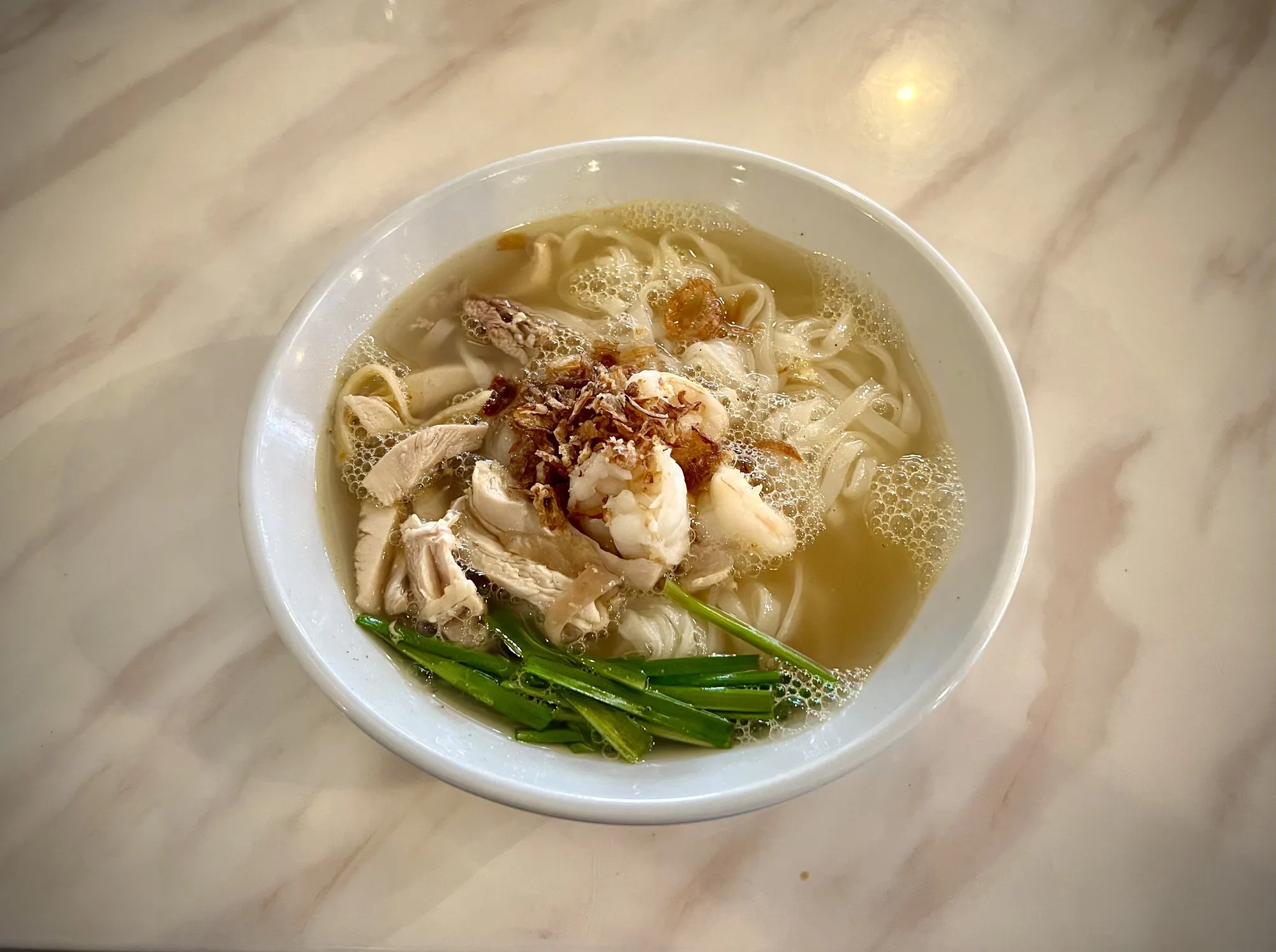
Top 10 Ipoh Dishes and the Stories Behind Them

What Makes Ipoh's Cultural Scene Worth Knowing
More places in Ipoh
Landmarks and living heritage on the Aevum map of Ipoh.
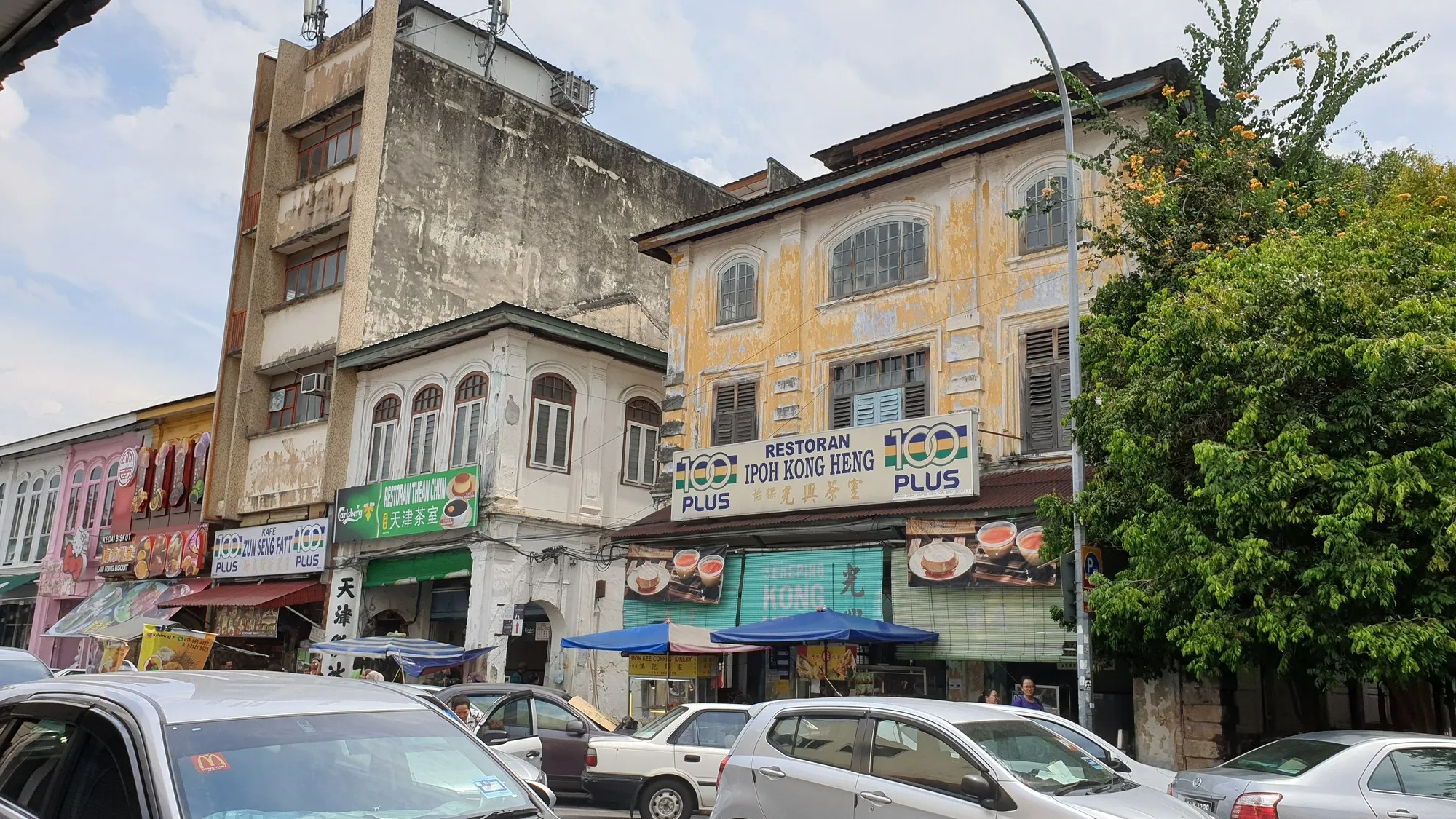
- Gastronomy Kong Heng
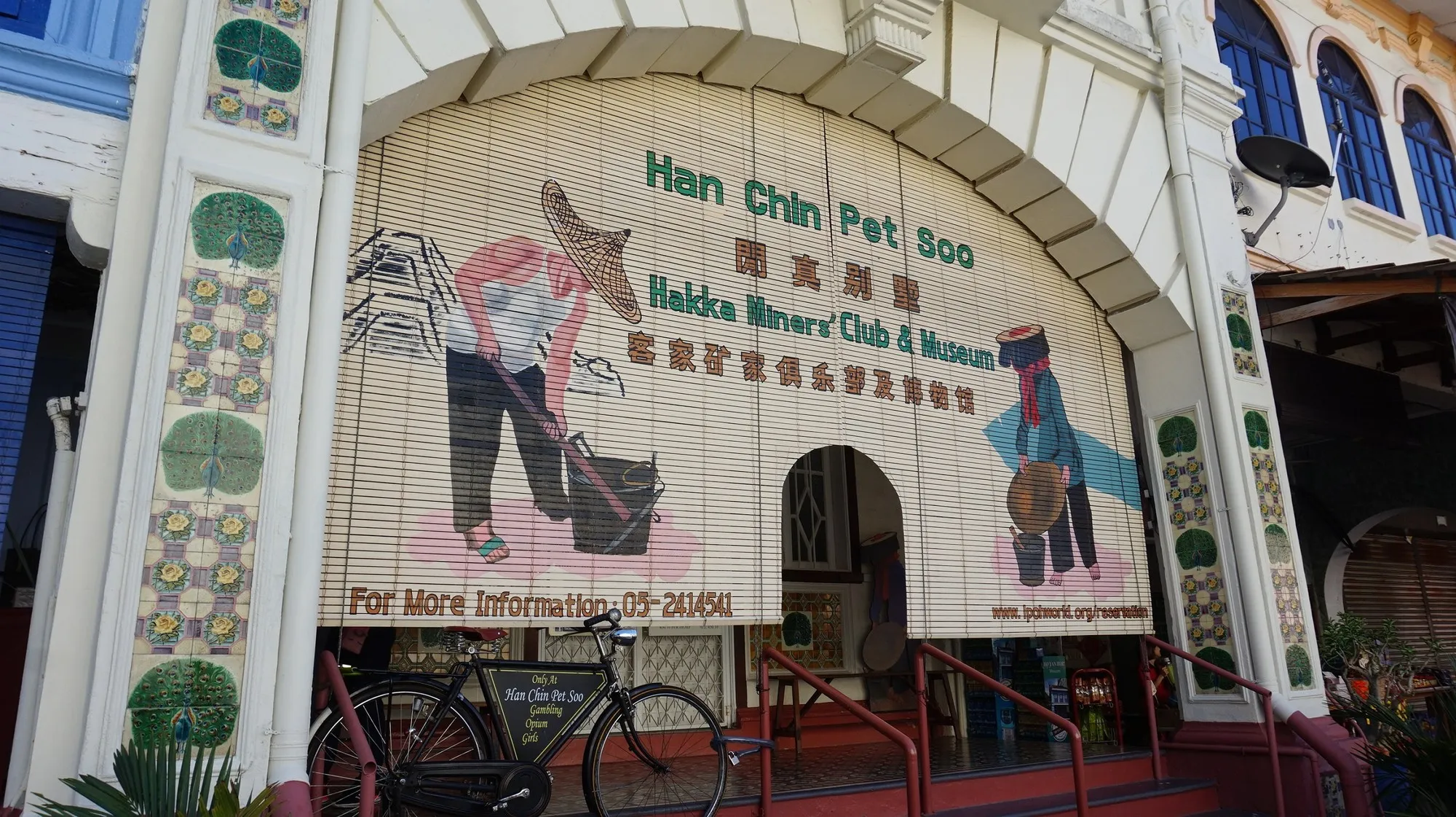
- Heritage & Roots Han Chin Pet Soo
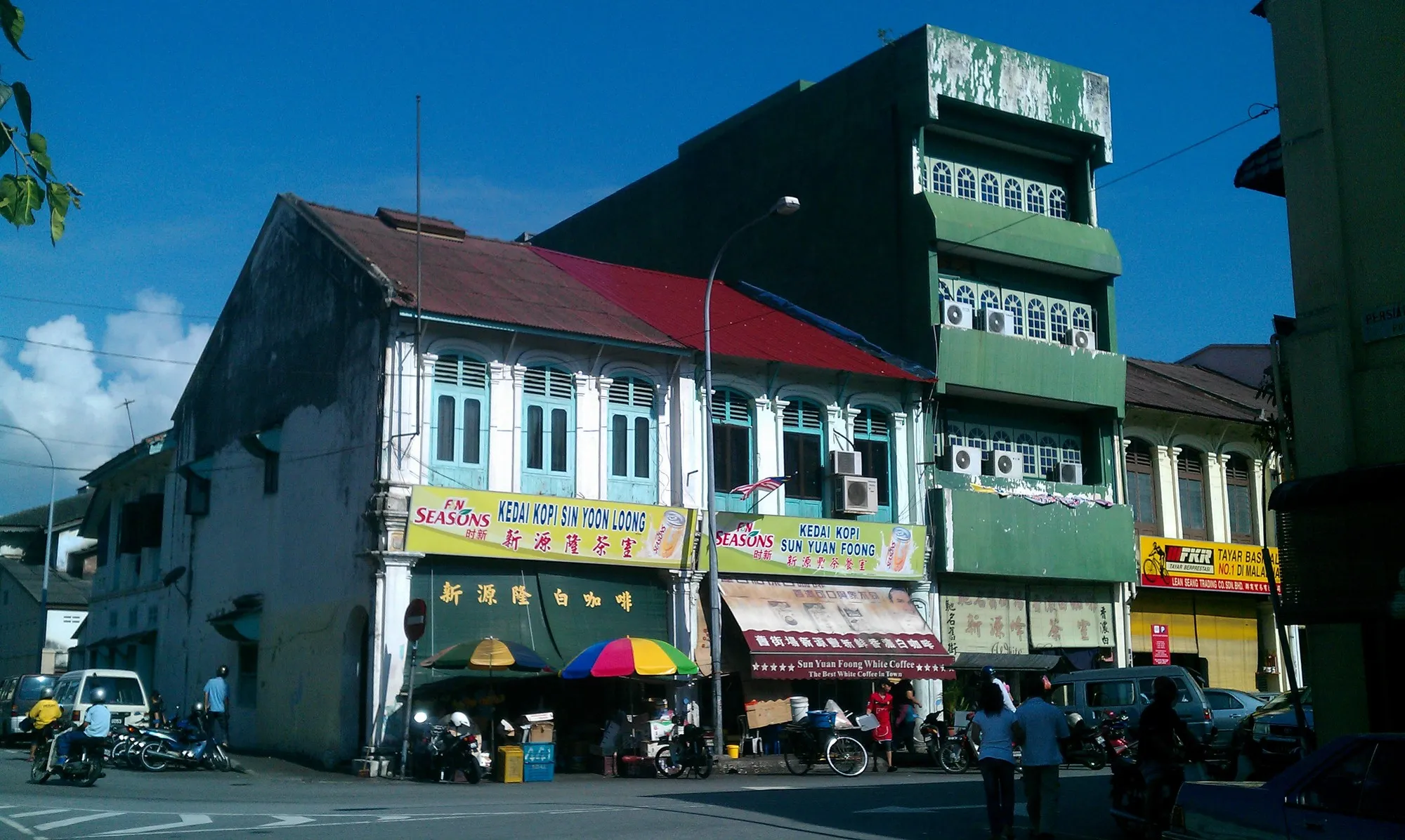
- Gastronomy Sin Yoon Loong
- Heritage & Roots Ipoh Railway Station

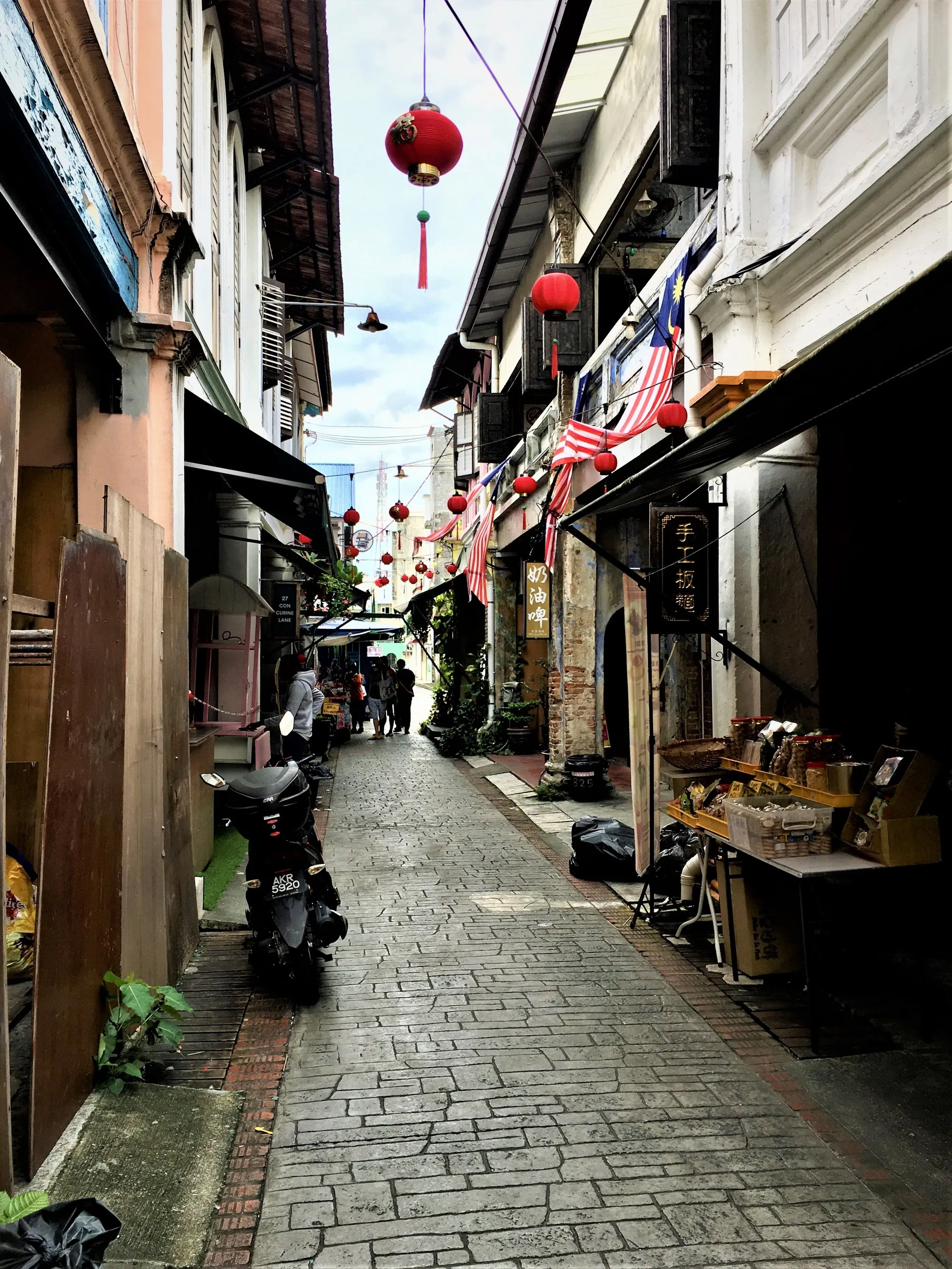
- Heritage & Roots Concubine Lane (Lorong Panglima)
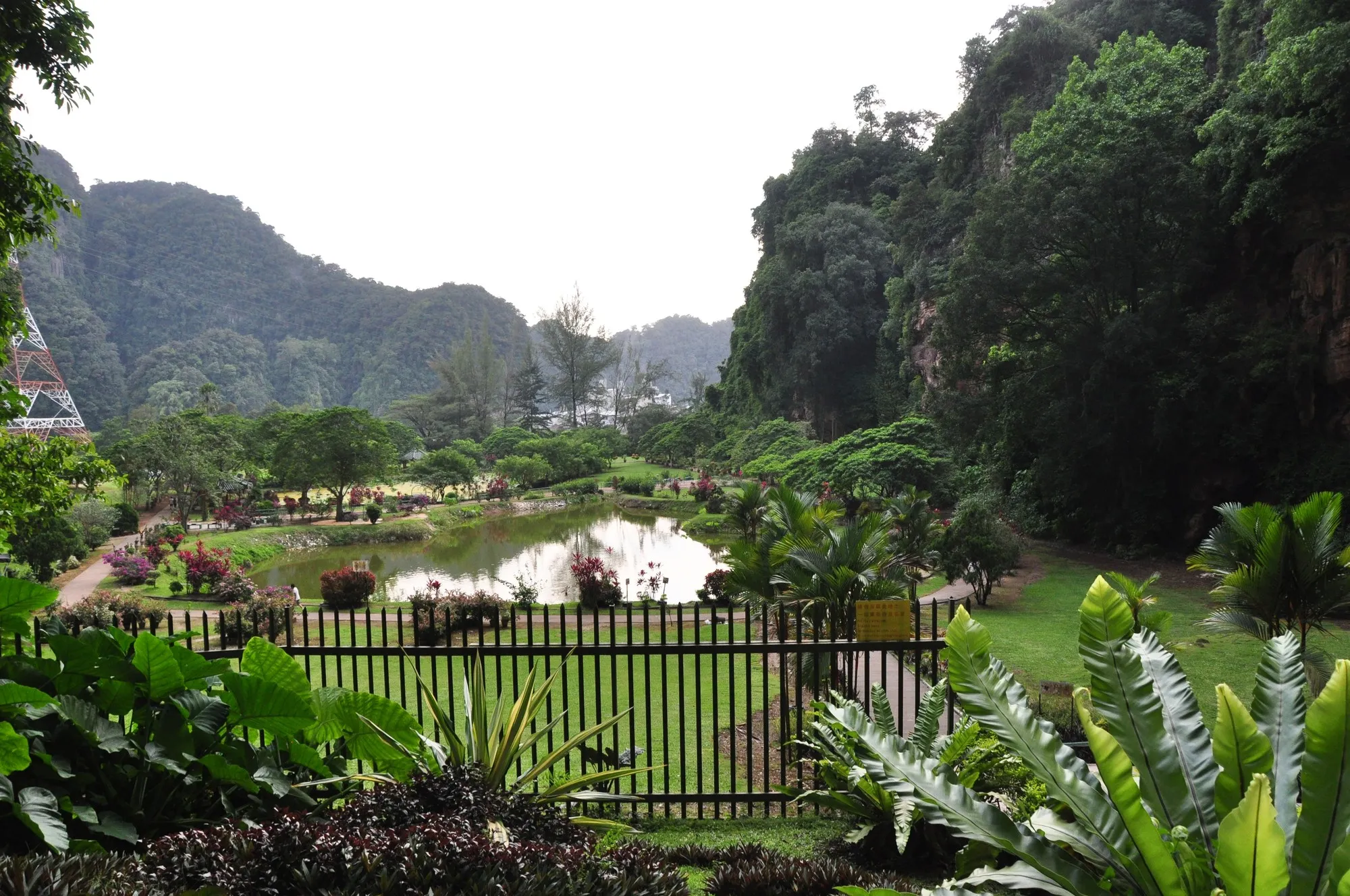
- Religious & Sacred Sam Poh Tong

- Gastronomy Funny Mountain (奇峰) Funny Mountain (奇峰) is a tau fu fa stall near Jalan Yau Tet Shin, Ipoh, said to have begun as a 1950s pushcart and now run by a third generation.
- Heritage & Roots Kellie's Castle

- Gastronomy Nam Heong
- Religious & Sacred Perak Tong

- Religious & Sacred Kek Lok Tong
- Arts & Creative Ipoh Mural Art Lane
- Religious & Sacred Panglima Kinta Mosque

- Religious & Sacred Kallumalai Arulmigu Subramaniar Temple

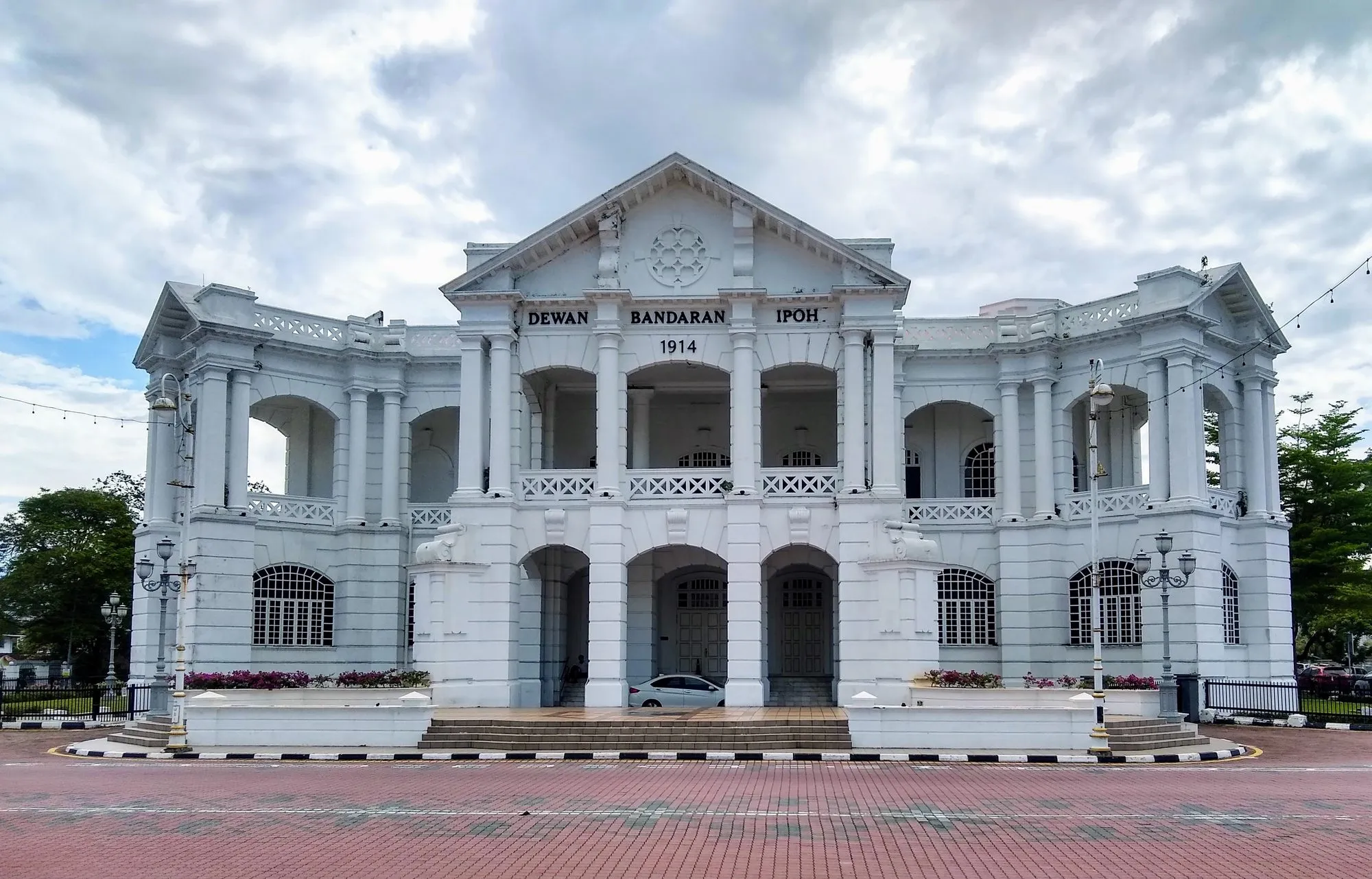
- Heritage & Roots Ipoh Town Hall
- Religious & Sacred Nam Thean Tong
- Religious & Sacred Kwong Fook Ngam
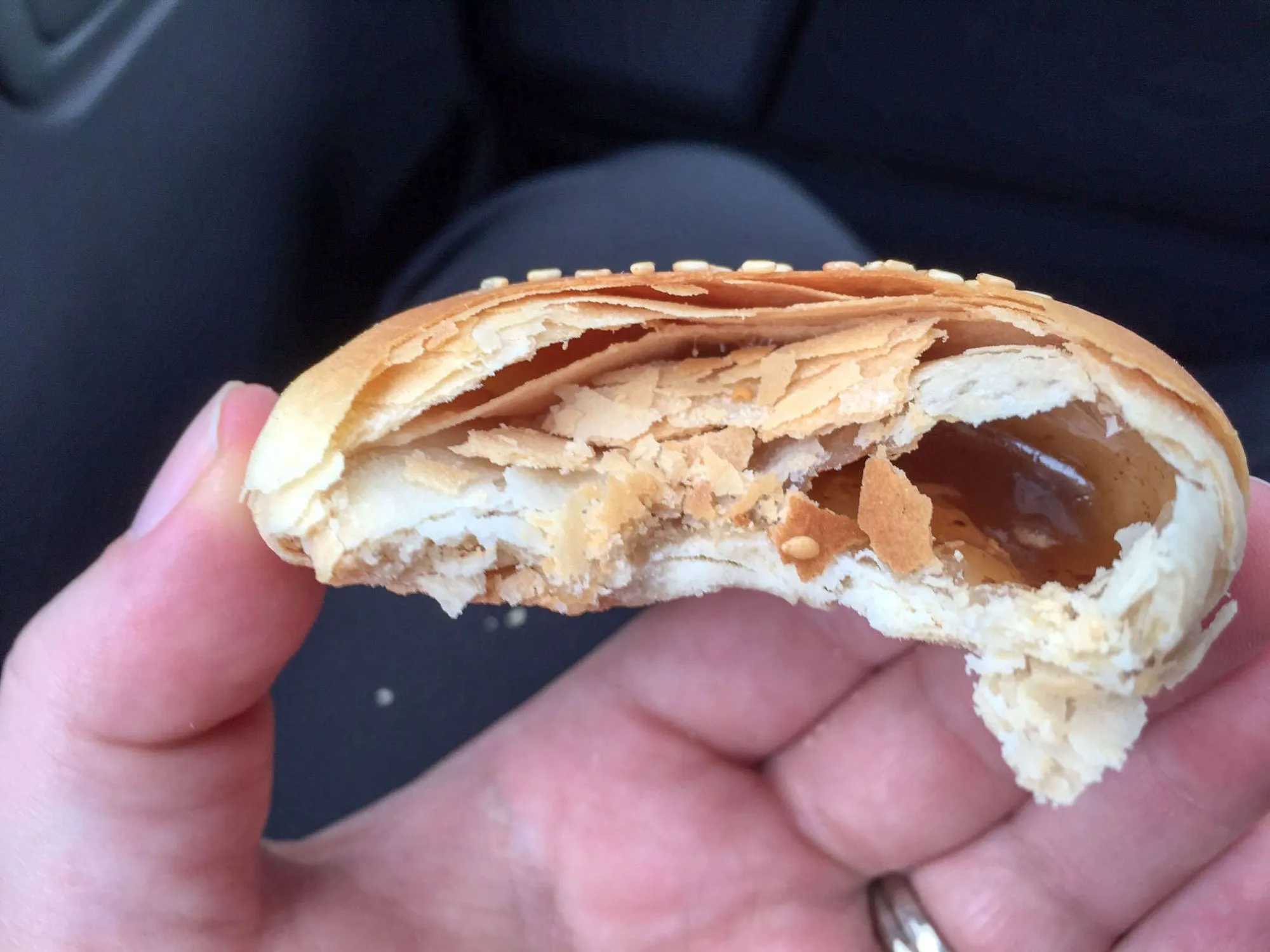
- Gastronomy Heong peng bakers, Gunung Rapat
Download the Aevum app to see all places
The full map of Ipoh, with the story behind every place, is in the app. The app is coming soon.
Download the Aevum app (coming soon)